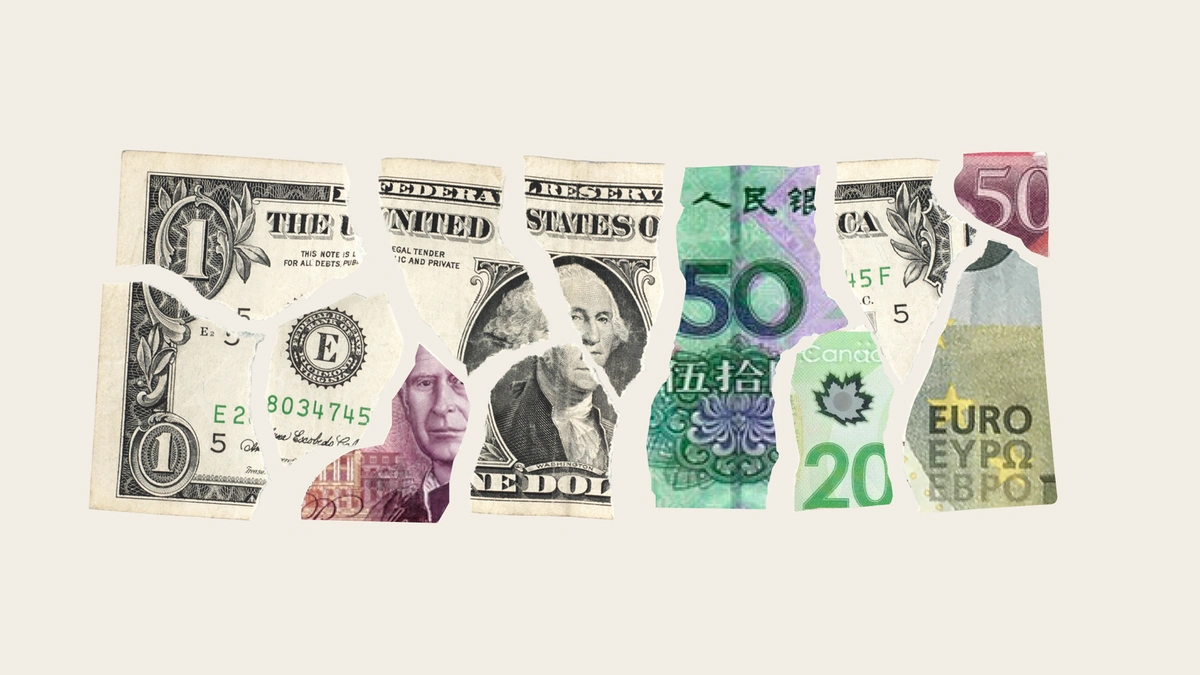
Okay, let’s be real. Seeing the rupee plummet to a record low against the US dollar is more than just a headline. It’s a gut-punch for many Indians. But the question isn’t just that it happened, but why, and more importantly, what it means for you and me. It’s easy to get lost in the financial jargon, so let’s break this down like we’re discussing it over chai.
Understanding USD Dominance | More Than Just Numbers

So, what’s fueling this US Dollar strength ? Is it just about the Indian economy? Not entirely. The US dollar’s dominance is a complex web of global economics. Here’s the thing: the dollar is the world’s reserve currency. Most international transactions, especially in commodities like oil, are priced in USD. This creates inherent demand. Think of it like this – everyone needs dollars to play in the global trade game.
But there’s more to it. The US Federal Reserve’s (the Fed) monetary policy plays a HUGE role. When the Fed raises interest rates to combat inflation (which, let’s be honest, is a problem worldwide), it makes the dollar more attractive to investors. Why? Because they can earn higher returns on US assets. This increased demand further strengthens the dollar. It’s a bit like a self-fulfilling prophecy, actually. And it impacts the dollar index , which measures the dollar’s value against a basket of other currencies.
And that is one of the reasons why the Indian rupee is suffering and has been devalued. So, the USD dominance is more than just a number; it’s a reflection of global financial power dynamics and investment flows.
The Ripple Effect | How a Strong Dollar Impacts India
Here’s where it gets personal. A weaker rupee makes imports more expensive. Obvious, right? But think about what India imports: oil, electronics, machinery… basically, things that fuel our economy. Higher import costs translate to imported inflation , meaning everyday goods and services become pricier. The cost of external commercial borrowings also rises, affecting companies with dollar-denominated debts.
But it’s not all doom and gloom. A weaker rupee can boost India’s exports, making them more competitive in the global market. Sectors like IT, pharmaceuticals, and textiles could potentially benefit. However, the overall impact depends on a multitude of factors, including global demand and the health of the Indian economy. And let’s not forget, a weaker rupee also impacts Indians studying or traveling abroad, making it more expensive. This is where the emotional part comes in – the anxiety about how this affects our personal finances.
Navigating the Storm | Strategies for Businesses and Individuals
So, what can businesses and individuals do? For businesses, hedging currency risk becomes crucial. Using financial instruments to protect against fluctuations in the exchange rate can save them from major losses. Diversifying export markets and focusing on value-added products can also help. For individuals, it’s about smart financial planning.
Consider diversifying your investments, including assets that are not rupee-denominated. This doesn’t mean panicking and converting all your savings to dollars! But exploring options like international mutual funds or gold (which often acts as a safe-haven asset) can provide some protection. Financial planning is crucial during times like these. It’s also important to remember that market fluctuations are normal. Don’t make impulsive decisions based on fear. Consider consulting a financial advisor.
RBI’s Role | Defending the Rupee
The Reserve Bank of India (RBI) isn’t sitting idle. They often intervene in the foreign exchange market to stabilize the rupee. One common strategy is to sell dollars from its reserves, which increases the supply of dollars and can help prop up the rupee. However, the RBI needs to tread carefully. Aggressive intervention can deplete its reserves, which could create other problems. It’s a delicate balancing act.
And the RBI is not the only one working hard for you. The government policies are also directed toward the same goal. They are constantly trying to make it balanced for you so that you can survive. The interventions are being monitored and the USD dominance is being analysed.
The RBI also uses monetary policy tools, like interest rate adjustments, to manage the situation. Raising interest rates can attract foreign investment, which can strengthen the rupee. However, this can also slow down economic growth. It’s a tough choice, and the RBI has to weigh the pros and cons carefully.
The Future of the Rupee | A Glimmer of Hope?
Predicting the future of the rupee is like predicting the monsoon – difficult, but not impossible. Several factors will influence its trajectory. Global economic conditions, the Fed’s future interest rate decisions, and India’s own economic performance will all play a role. If India can maintain strong economic growth, attract foreign investment, and control inflation, the rupee could stabilize and even appreciate.
But let’s be honest, the road ahead is likely to be bumpy. Global economic uncertainty is high, and external shocks can easily disrupt the currency market. It’s important to stay informed, remain calm, and focus on long-term financial planning. Remember, the rupee has faced challenges before, and it has always bounced back. This too shall pass. These things are a part and parcel of life.
FAQ
Why is the US dollar so strong right now?
The US dollar is strong due to a combination of factors, including its status as the world’s reserve currency, rising US interest rates, and global economic uncertainty that drives investors to the safety of the dollar.
How does a weak rupee affect the common person in India?
A weak rupee makes imports more expensive, leading to higher prices for goods and services. It also increases the cost of foreign travel and education.
What is the RBI doing to address the falling rupee?
The RBI intervenes in the foreign exchange market by selling dollars from its reserves and adjusting interest rates to stabilize the rupee.
What can businesses do to protect themselves from currency fluctuations?
Businesses can hedge currency risk using financial instruments, diversify export markets, and focus on value-added products.
Should I convert all my savings to US dollars?
No, it’s not advisable to convert all your savings to US dollars. Diversify your investments instead, and consult a financial advisor.
What are the long-term prospects for the Indian rupee?
The long-term prospects depend on India’s economic growth, foreign investment, and ability to control inflation. While there may be short-term volatility, the rupee can stabilize and appreciate over time.
Ultimately, the USD dominance is a reminder that the global economy is interconnected. What happens in Washington affects Mumbai, and vice versa. Understanding these connections is the first step towards navigating the complexities of the modern financial world.