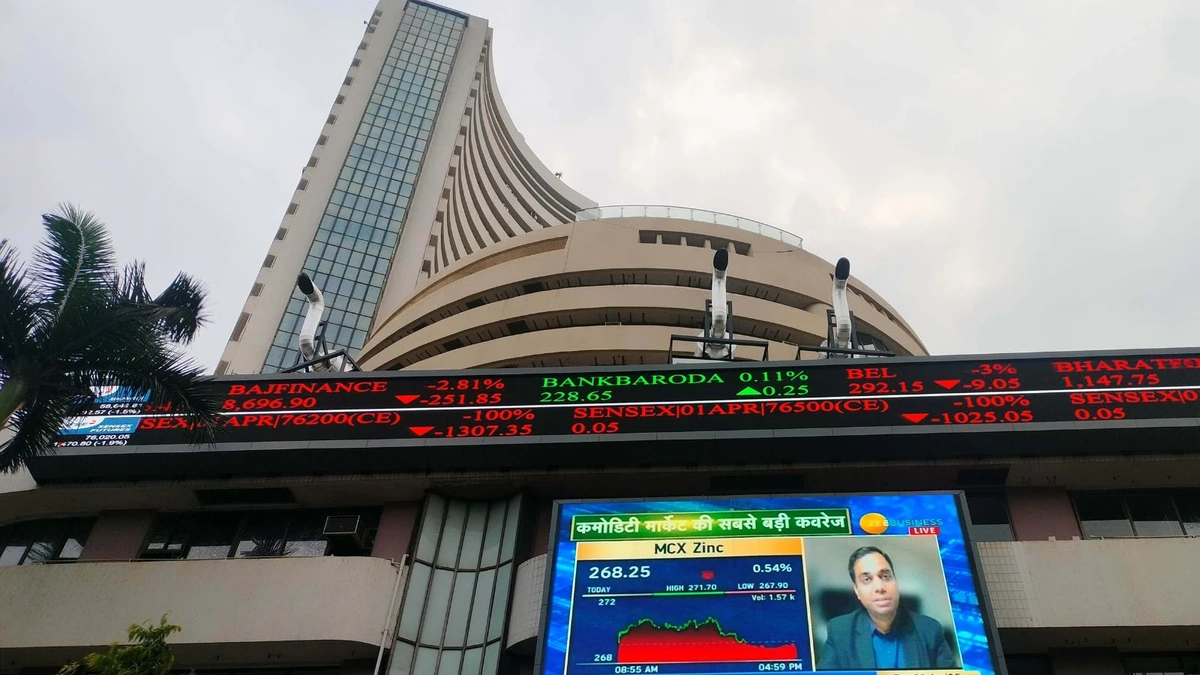
The Sensex and Nifty took a breather today, dipping slightly as investors decided to cash in on recent gains. But here’s the thing: the story isn’t as simple as a straightforward market correction. What fascinates me is the underlying strength we’re seeing in specific sectors even as the broader indices wobble. It’s like watching a tug-of-war where one team (profit-booking) is pulling back, but the other (metals and PSU banks) is putting up a serious fight. Let’s dive into why this is happening and what it could mean for your investments.
Why Profit-Booking Was Inevitable (And Healthy)
So, the big question: why the dip? After a pretty solid run, especially in the last few weeks, some investors were bound to take profits off the table. Think of it as taking some chips off the table after a winning streak. And here’s why that’s not necessarily a bad thing. A continuous, uninterrupted rally isn’t sustainable in the long run. Healthy corrections, like the one we’re seeing now, allow the market to consolidate its gains and build a more solid foundation for future growth. It prevents the market from overheating. It’s like letting a pressure cooker release some steam before it explodes! What’s more, profit-booking provides an opportunity for new investors to enter the market at slightly lower levels, injecting fresh capital and enthusiasm.
But the depth and breadth of profit-booking often depend on several factors including global cues, macroeconomic data releases, and corporate earnings. Should there be any negative surprises on these fronts, profit-booking can transform into a market downturn.
Metals and PSU Banks | The Unsung Heroes
Now, let’s talk about the sectors that defied the overall market trend: metals and PSU banks. These sectors have been showing remarkable strength, driven by a confluence of factors. The metal sector is benefiting from rising global commodity prices, fueled by increased demand from China and other emerging economies. This is a global story, and Indian metal companies are well-positioned to capitalize on it.
PSU banks, on the other hand, are enjoying a resurgence in investor confidence, driven by improved asset quality and increased government support. For years, these banks were weighed down by non-performing assets (NPAs), but concerted efforts to clean up their balance sheets are finally paying off. Moreover, government initiatives aimed at boosting infrastructure spending are further fueling the growth of these banks. This has changed the landscape for PSU banks .
The Global Context | What’s Happening Elsewhere?
It’s impossible to analyze the Indian market in isolation. We need to consider the global context, which is becoming increasingly complex. Rising inflation, interest rate hikes by central banks, and geopolitical tensions are all casting a shadow over the global economy. These factors can influence investor sentiment and impact the flow of foreign capital into India. For instance, hawkish commentary from the US Federal Reserve regarding interest rate hikes can strengthen the dollar and lead to Foreign Portfolio Investors (FPI) pulling money from emerging markets such as India.
Also, keep an eye on crude oil prices. As a major oil importer, India’s economic health is closely linked to global oil prices. A sharp increase in crude oil prices can widen the current account deficit and put downward pressure on the rupee. And that, in turn, can spook investors. Let me rephrase that for clarity: global events have a ripple effect on the Indian stock market .
What This Means for You | A Practical Guide
So, what should you, the average Indian investor, do in this situation? Here’s the thing: don’t panic. Market corrections are a normal part of the investment cycle. A common mistake I see people make is to sell their holdings in a panic when the market dips. Instead, use this opportunity to re-evaluate your portfolio and make informed decisions based on your long-term financial goals.
Consider diversifying your investments across different asset classes, such as equities, bonds, and gold. As per the guidelines mentioned by most financial advisors, diversification can help mitigate risk and improve your overall portfolio performance. Also, don’t put all your eggs in one basket. Secondly, if you have a long-term investment horizon, consider using this correction as an opportunity to accumulate quality stocks at lower prices. But, and this is a big but, do your research before investing in any company. Understand its fundamentals, growth prospects, and competitive landscape.
And finally, don’t be afraid to seek professional advice. Consult with a financial advisor who can help you create a personalized investment plan based on your individual needs and risk tolerance. After all, investing is a marathon, not a sprint. Stay patient, stay informed, and stay focused on your long-term goals. The key to successful investing is discipline and a well-thought-out strategy.
The Nifty , like Sensex, mirrors similar profit-booking trends, with sectoral performances acting as counterweights.
The Indian market, despite the recent dip on profit booking, showcases underlying resilience buoyed by metal and PSU bank sectors. But it’s crucial to be aware of global cues such as inflation and geopolitical tensions, which will affect future trends. The resilience of Indian equities will be tested.
FAQ Section
Frequently Asked Questions
What exactly does profit-booking mean?
It means investors are selling shares to realize gains after a price increase. It’s a normal part of market dynamics.
Is this a good time to invest in metals and PSU banks?
It depends on your risk tolerance and investment horizon. Do your research, but these sectors currently show strength.
What if I’m a beginner investor? Should I be worried?
Don’t panic! Market dips are normal. Focus on long-term investing and diversification. Consult a financial advisor if needed.
How do global factors affect the Indian stock market?
Global factors, like interest rate changes and geopolitical events, can influence investor sentiment and capital flows, affecting the Indian market.
What are the key market trends to watch out for?
Keep an eye on inflation, interest rates, global commodity prices, and government policies. These are all crucial indicators.
Should I sell all my holdings now?
Generally, it is not advisable. Selling your holdings should be the last thing you do. Take professional advice before taking a decision.