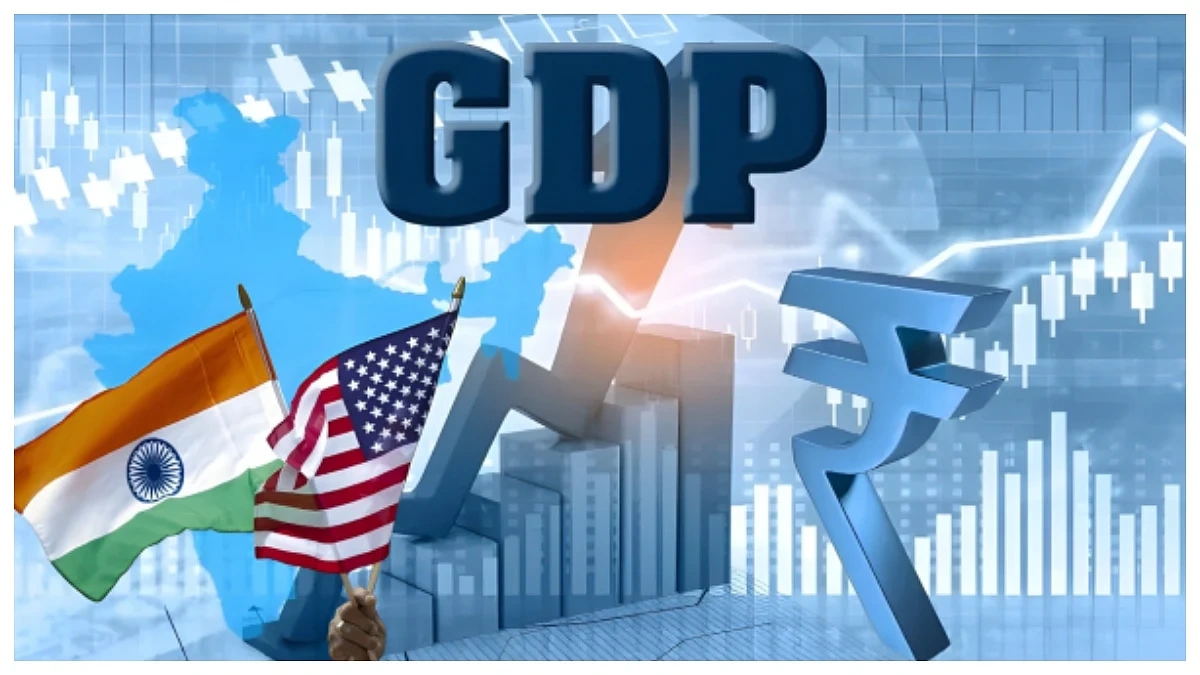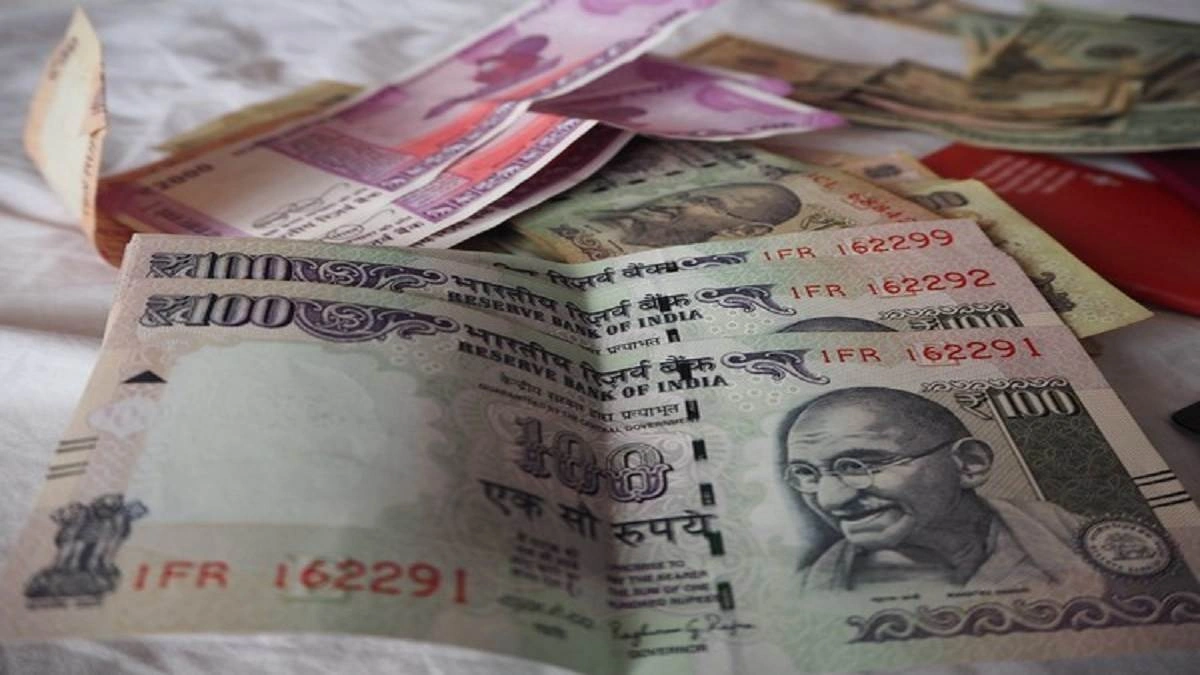
The rupee’s recent tumble against the dollar – breaching the ₹89 mark – isn’t just a number flashed on business news channels. It’s a tremor felt across the Indian economy, impacting everything from your monthly grocery bill to the cost of studying abroad. Let’s be honest, though, most news reports just throw figures at you. What I want to do is break down why this matters to you, the average Indian, and what you can actually do about it.
Why the Rupee’s Fall Matters | More Than Just Headlines

Here’s the thing: currency depreciation is a complex beast. It’s not just about the rupee being ‘weaker’. It’s about the intricate dance of global economics. A primary driver is the strength of the US dollar. When the US Federal Reserve raises interest rates, as they have been doing to combat inflation, it makes the dollar more attractive to investors. Capital flows into the US, increasing demand for the dollar and, consequently, its value. This automatically puts downward pressure on other currencies, including the Indian rupee . Think of it like a see-saw: one side goes up, the other must come down.
But it’s not solely an external story. India’s own economic factors play a crucial role. Our trade deficit – the difference between what we import and what we export – is a key factor. When we import more than we export, we need to buy more dollars to pay for those imports, increasing demand for the dollar and weakening the rupee. Furthermore, foreign portfolio investors (FPIs) pulling out of Indian markets can exacerbate the situation, creating even more downward pressure. This interplay of global and domestic factors creates a feedback loop, influencing the rupee exchange rate daily.
The Ripple Effect | Inflation, Imports, and Your Pocket
So, how does all this translate to your everyday life? Primarily through inflation . A weaker rupee makes imports more expensive. India imports a significant amount of essential goods, including crude oil, electronics, and machinery. When the rupee depreciates, these imports become pricier in rupee terms. This increased cost is often passed on to consumers, leading to higher prices for everything from petrol to mobile phones. A simple example? That imported cheese you love just got a bit more expensive. But, even locally produced goods may see price increases if their production relies on imported components or raw materials. It’s a widespread impact.
Imports get hammered, obviously, but what about exports? A weaker rupee should make Indian exports more competitive. Indian goods become cheaper for foreign buyers, theoretically boosting exports. However, this benefit is often limited by several factors. Global demand plays a huge role – if the world economy is slowing down, demand for Indian goods may not increase significantly, even if they are cheaper. Also, many Indian exporters rely on imported inputs, which become more expensive due to the weaker rupee, offsetting some of the competitive advantage. And, let’s not forget, other countries may also devalue their currencies to maintain their own competitiveness, negating India’s advantage. You can read more on this topic here:currency devaluation.
Personal Finances Under Pressure | What You Can Do
Now, let’s get practical. The rupee’s depreciation directly impacts your personal finances in several ways. If you’re planning to study abroad, your education expenses just increased. The cost of tuition fees, accommodation, and living expenses – all denominated in foreign currencies – becomes significantly higher when converted to rupees. Similarly, if you’re planning an international trip, your vacation just became more expensive. The cost of flights, hotels, and activities – all priced in foreign currencies – goes up.
But there are steps you can take to mitigate the impact. Firstly, if you’re planning a major foreign currency transaction (like funding your child’s education abroad), consider hedging your risk. You can do this by buying foreign currency in advance or using financial instruments like currency futures. Secondly, prioritize essential spending and cut back on discretionary expenses. This is a good time to review your budget and identify areas where you can save money. Thirdly, consider investing in assets that tend to appreciate during periods of rupee depreciation , such as gold or dollar-denominated investments. Consult a financial advisor to determine the best investment strategy for your individual circumstances. One thing you should know is the importance of precious metals and other financial investments.
Beyond the Immediate Impact | Long-Term Implications for India
The long-term implications of a persistently weak rupee are significant for India’s economic growth and stability. A weaker rupee can fuel inflationary pressures, forcing the Reserve Bank of India (RBI) to raise interest rates to combat inflation. Higher interest rates can dampen economic growth by making borrowing more expensive for businesses and consumers. Furthermore, a persistently weak rupee can erode investor confidence, leading to capital outflows and further downward pressure on the currency. The RBI intervention is crucial here.
However, there are also potential benefits. A weaker rupee can incentivize domestic production by making imports more expensive. This can help to reduce India’s reliance on imports and boost domestic manufacturing. Also, a weaker rupee can make India a more attractive destination for foreign investment, particularly in sectors like manufacturing and tourism. The government and the RBI need to carefully manage the situation to maximize the benefits and minimize the risks. According to experts, controlling the trade deficit is important to stop rupee sliding further.
Navigating the Currency Currents | A Final Thought
Ultimately, the rupee’s depreciation is a complex issue with far-reaching consequences. While it presents challenges for individuals and businesses, it also offers opportunities. The key is to understand the underlying dynamics, take proactive steps to mitigate the risks, and be prepared to adapt to the changing economic landscape. I initially thought this was just another boring economic report, but then I realized – it’s about how all this impacts you directly, and that’s something worth paying attention to. And the impact on imports , exports, and overall inflation is substantial.
FAQ Section
What exactly causes the rupee to depreciate?
The rupee’s value is influenced by a mix of global and domestic factors. A strong US dollar, India’s trade deficit, and foreign investment flows all play a role.
How does a weaker rupee affect inflation in India?
A weaker rupee makes imports more expensive, which can lead to higher prices for goods and services, contributing to inflation.
What can I do to protect my finances from rupee depreciation?
Consider hedging your foreign currency exposure, prioritizing essential spending, and investing in assets that tend to appreciate during periods of rupee weakness. Consult a financial advisor for personalized advice.
Does a weaker rupee always benefit Indian exports?
While it can make exports more competitive, the benefits are often limited by global demand, reliance on imported inputs, and currency devaluations by other countries.
What is the role of the RBI in managing the rupee’s value?
The RBI intervenes in the foreign exchange market to manage volatility and maintain stability. They use tools like buying or selling dollars.
How does rupee devaluation affect Foreign Portfolio Investors (FPIs)?
When rupee devaluates FPIs may pull out of Indian markets, creating even more downward pressure on Indian currency.