Ever heard of Perplexity AI? If not, you probably will soon. The company and its CEO are making waves in the tech world, challenging the established giants. But here’s the thing – it’s not just another tech startup story. It’s a glimpse into the future of how we’ll interact with information. So, why should you, sitting in India, care about some Silicon Valley CEO? Let’s dive in.
The “Why” Behind the Hype: AI’s Next Chapter
The buzz around Perplexity isn’t just about their AI-powered search engine. It’s about how they’re changing the game. Most search engines simply provide a list of links. Perplexity, however, gives you direct answers, backed by citations. Think of it as having a super-smart research assistant. But why is this important? Because it signals a shift in how we consume information. We’re moving away from endless scrolling and towards concise, synthesized answers. This is particularly relevant in India, where access to reliable information is crucial and time is often a constraint. It’s like having a knowledgeable friend explain complex topics without the fluff. This concept of information accessibility is further enhanced through features focusing on real-time data analysis and summarization, allowing individuals to obtain rapid and precise insights into current events and trends.
Let’s be honest, sifting through pages of search results can be a drag. We want answers, and we want them now. Perplexity AI aims to deliver that, saving us valuable time and effort. And that’s a big deal, especially when you’re trying to stay ahead in a competitive landscape. The company’s mission is to create the most intuitive and informative search tool, leveraging the capabilities of artificial intelligence to empower individuals with knowledge.
The Man at the Helm: A Deep Dive into Aravind Srinivas
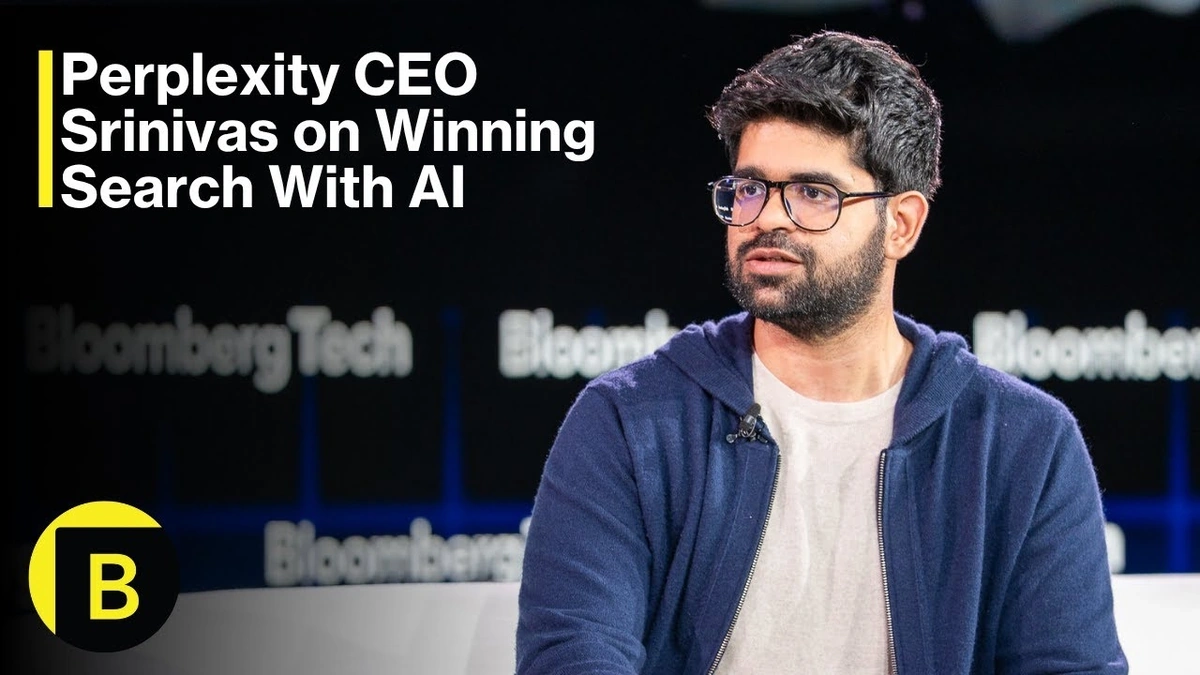
So, who’s the brain behind all this? Aravind Srinivas is the Perplexity CEO. He’s not your typical Silicon Valley executive. He has a Ph.D. from UC Berkeley and a background in AI research. He’s also relatively young, which suggests that he understands how younger generations interact with technology. What fascinates me is his commitment to building an AI tool that enhances human understanding, rather than replacing it. His vision has attracted top talent from companies like Google and OpenAI, creating a powerhouse of AI expertise.
But – and this is a big but – leading a company like Perplexity comes with its own set of challenges. How do you balance innovation with ethical considerations? How do you ensure that AI is used for good, not for spreading misinformation? These are the questions that Srinivas and his team are grappling with every day. Amazon could be next!
The Indian Angle: Why Perplexity Matters to You
Here’s the thing: access to information is power. In a country as diverse and complex as India, having a tool that can quickly and accurately synthesize information is a game-changer. Whether you’re a student researching for a project, a professional trying to stay updated on industry trends, or simply someone curious about the world, Perplexity AI can be a valuable asset. I initially thought the potential for Indian users was limited, but then I realized how crucial summarized, reliable information is in a fast-paced environment.
And, let’s be honest, the current search landscape can be overwhelming. Trying to find reliable information amidst the noise can feel like searching for a needle in a haystack. Perplexity AI offers a potential solution, providing a more streamlined and focused approach to information gathering. It’s about empowering individuals with the knowledge they need to make informed decisions.
Navigating the AI Revolution: Staying Informed and Critical
The rise of AI is not without its challenges. As AI tools become more sophisticated, it’s crucial to develop critical thinking skills and to evaluate information carefully. It is easy to get lost in the details so it’s essential that you know the ins and outs of using the platform, you’ll need to understand how to use Perplexity AI effectively. While Perplexity AI offers a valuable service, it’s important to remember that it’s still a tool. It’s up to us to use it responsibly and to be aware of its limitations. It’s not about blindly accepting what AI tells us, but about using it as a starting point for further exploration and analysis. This is particularly important in India, where misinformation can have serious consequences.
The future of search is changing. Srinivas’s vision and leadership at Perplexity AI are shaping this change, offering a glimpse into a world where information is more accessible, more reliable, and more tailored to our individual needs. This is not just a tech story, it is a human story, it is about how we learn, how we grow, and how we navigate the complexities of the modern world.
FAQ: Your Questions About Perplexity AI Answered
What is Perplexity AI and how does it work?
Perplexity AI is an AI-powered search engine that provides direct answers to your questions, backed by citations from reputable sources. It uses natural language processing to understand your queries and generate concise, informative responses.
Is Perplexity AI free to use?
Yes, Perplexity AI offers a free version with basic features. They also have a paid subscription that unlocks additional functionality.
How accurate is Perplexity AI?
While Perplexity AI strives for accuracy, it’s important to remember that it’s still an AI tool and may sometimes make mistakes. Always double-check the information with other sources before relying on it.
Can I use Perplexity AI on my phone?
Yes, Perplexity AI has a mobile app available for both iOS and Android devices.
What are the advantages of using Perplexity AI over traditional search engines?
Perplexity AI provides direct answers, saves you time by synthesizing information, and cites its sources, allowing you to verify the information. It is also more conversational than traditional search.
So, the next time you’re searching for information, give Perplexity AI a try. You might be surprised at what you discover. And remember, the future of AI is not something to fear, but something to embrace – with a healthy dose of critical thinking, of course.