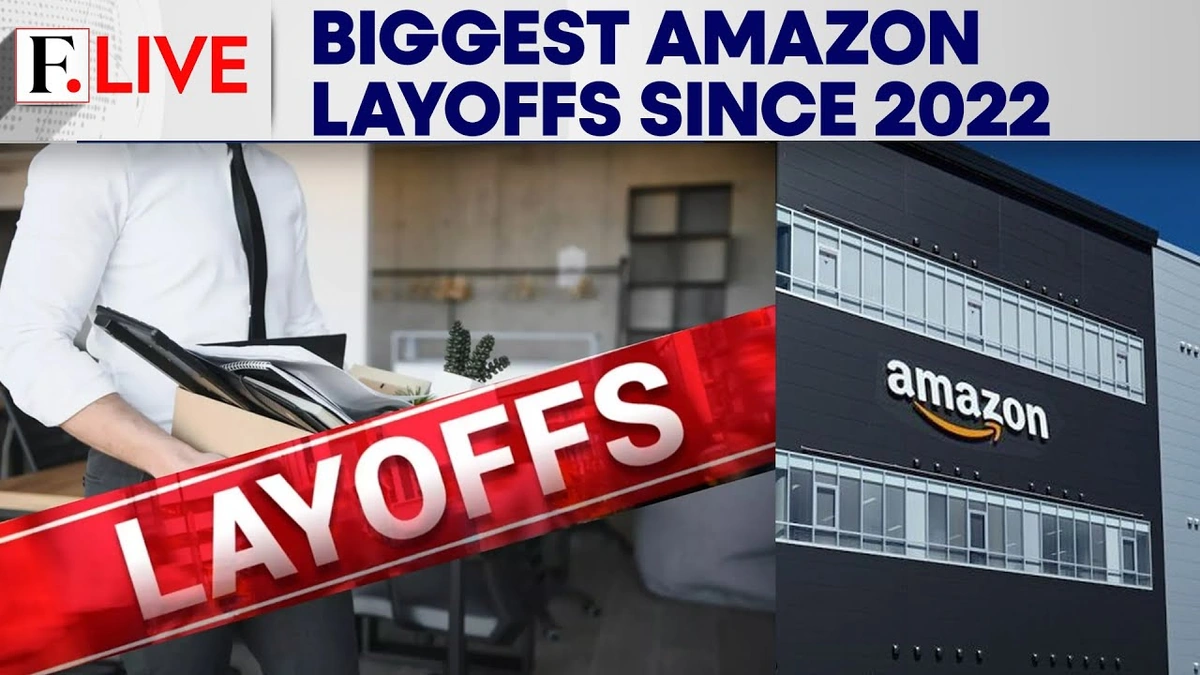
The news hit like a thunderclap: Amazon layoffs . Not a tiny trim here or there, but a significant corporate job reduction impacting 14,000 roles. It’s easy to get lost in the numbers, but what does this really mean? And more importantly, why is it happening now ? Let’s be honest – it’s more than just “restructuring.”
Decoding the Cuts | Why Is Amazon Laying off Employees?

So, the million-dollar question: why? We’re not talking about a struggling startup here. This is Amazon , a tech behemoth that seemingly prints money. Well, here’s the thing: even giants stumble. A big factor is the over-hiring that happened during the pandemic. E-commerce exploded, and Amazon went on a hiring spree to keep up. But, as demand normalized, they were left with a bloated workforce. Learn more about market shifts.
Another piece of the puzzle? The economic downturn. Inflation is biting, consumer spending is down, and businesses are tightening their belts. Layoffs are often a knee-jerk reaction to uncertainty, a way to reassure investors that the company is taking things seriously. But, it’s also a signal. A signal that even the most powerful companies aren’t immune to global economic pressures. And honestly, it brings into question the long-term stability of the tech industry as a whole.
The Ripple Effect | What This Means for India
Okay, so Amazon is cutting jobs globally. But what does this mean for us here in India? While the exact impact is still unfolding, it’s crucial to understand the potential consequences. Firstly, Indian tech professionals working in similar roles might feel a sense of unease. It’s a reminder that job security, even in high-demand fields, isn’t guaranteed. This might lead to increased competition for jobs locally, as experienced professionals look for new opportunities. Plus, a wave of global layoffs from major companies can influence the hiring landscape in India, causing companies to re-evaluate their growth plans.
Secondly, it could impact the Indian startup ecosystem. Amazon is a significant investor in numerous Indian startups. If they’re scaling back their operations and investments, it could have a chilling effect on funding for these ventures. It makes sense to be extra cautious about where you’re investing your time and money.
Beyond the Headlines | Navigating Job Security in a Changing Landscape
Now, let’s talk about what you can actually do. Panicking is never the answer. Instead, focus on these steps: Assess your skills. Are they in demand? Are you staying current with the latest technologies? Upskilling is your best defense against uncertainty. Network, network, network. Build connections within your industry. Knowing people can open doors you never knew existed. Update your resume and LinkedIn profile. Make sure you’re presenting yourself in the best possible light. And as Wikipedia notes, diversification of skillsets is key to navigating job market volatility.
Here’s the thing I’ve realized: Complacency is the enemy. In a rapidly changing world, continuous learning and adaptation are no longer optional, they’re essential.
The Human Cost | Remembering the Individuals Affected
It’s easy to get caught up in the analysis and forget the real human cost of these corporate job cuts . Behind every layoff is a person, a family, a story. People losing their livelihoods, facing uncertainty and anxiety. It’s crucial to remember the human impact and offer support to those affected. Sometimes, a listening ear or a helping hand can make all the difference. It is a difficult time for amazon employees .
What fascinates me is the domino effect that layoffs have. The initial shock gives way to widespread anxiety, eventually leading to changes in consumer behavior. People postpone big purchases, cut back on discretionary spending and generally become more cautious. It sends shivers down the spine of the entire industry.
Future-Proofing Your Career | Skills That Will Always Be in Demand
So, how do you future-proof your career in a world of constant change? Focus on developing skills that are resilient to automation and economic downturns. Think critical thinking, problem-solving, creativity, and emotional intelligence. These are skills that machines can’t easily replicate. Also, consider roles that involve direct human interaction, like sales, customer service, and management. These roles are less likely to be automated and will continue to be in demand, no matter what the future holds. Don’t get stuck with outdated skills. Embrace continuous learning.
Many are struggling to understand the scope and impact of this decision .
Let me rephrase that for clarity: Invest in yourself. Continuously learn, adapt, and develop skills that will make you valuable, no matter what the future holds. And remember, resilience is not about avoiding setbacks, it’s about bouncing back from them.
FAQ | Understanding Amazon’s Layoff Announcement
What specific departments are affected by the Amazon layoffs ?
While Amazon hasn’t released a complete list, the cuts are primarily focused on corporate and technology roles, including devices and books divisions. It’s safe to assume that less customer-facing roles are being affected.
What kind of severance packages are being offered?
Details of the severance packages haven’t been officially disclosed, but sources suggest they include several months of salary, benefits continuation, and outplacement services.
How can I find out about job opportunities at Amazon in the future?
Keep an eye on the Amazon jobs website and LinkedIn for future openings. Networking with current employees can also provide valuable insights.
What if I am an Amazon customer, will this impact my service?
While it is never assured, Amazon has stated that these layoffs are designed to make the company more efficient and should not impact customer service. You may however experience higher wait times.
What are some alternatives to Amazon for online shopping?
There are multiple online retailers to choose from including, but not limited to, Flipkart and Snapdeal.
Ultimately, Amazon’s decision reflects the difficult conditions of the current economic climate. What’s next? No one knows for sure, but one thing is clear: adaptability and continuous learning are more crucial than ever. So, here’s the final insight: Don’t just react to the news; use it as a catalyst for growth. Take control of your career, invest in your skills, and be prepared to navigate whatever challenges lie ahead. And who knows, maybe this shakeup will create new opportunities we haven’t even imagined yet.