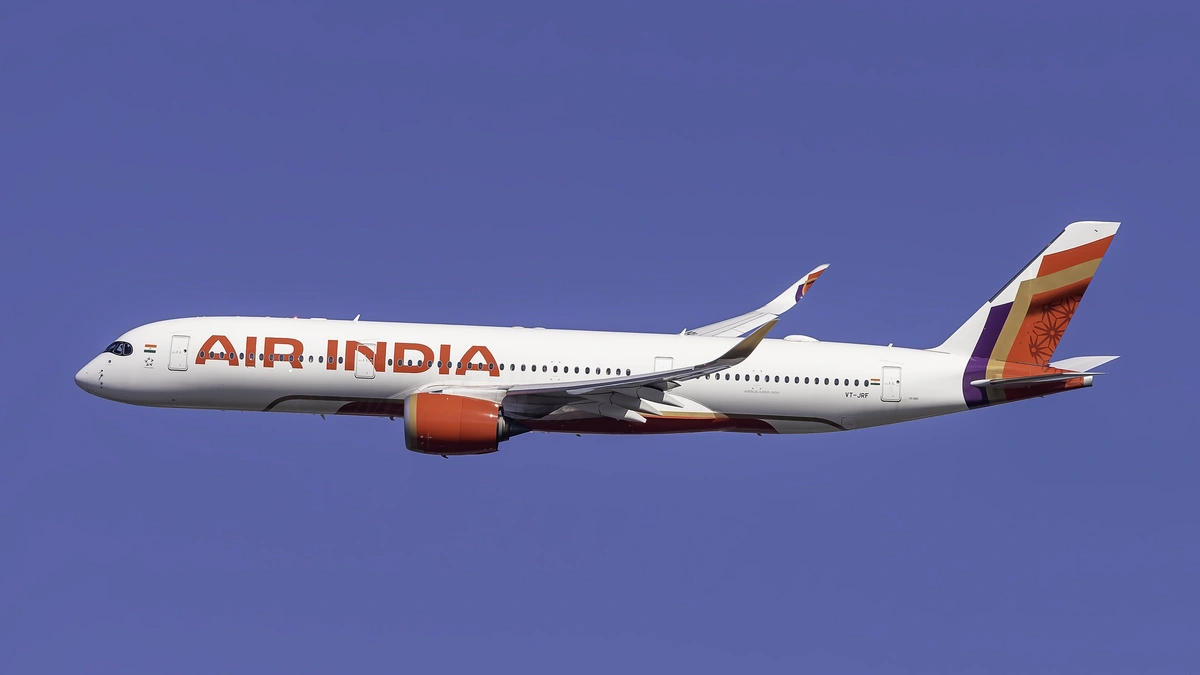
Air India, once the pride of India, finds itself at a crucial juncture. News has surfaced that the airline is seeking a staggering $1.1 billion in funding from its parent company, Tata Sons, and Singapore Airlines. But, what’s really going on here? Is this just a routine financial injection, or does it signal something deeper about the challenges and opportunities facing the airline? Let’s dive in, because, frankly, the answer is more complex (and interesting) than you might think.
Why This Funding Matters | More Than Just Money
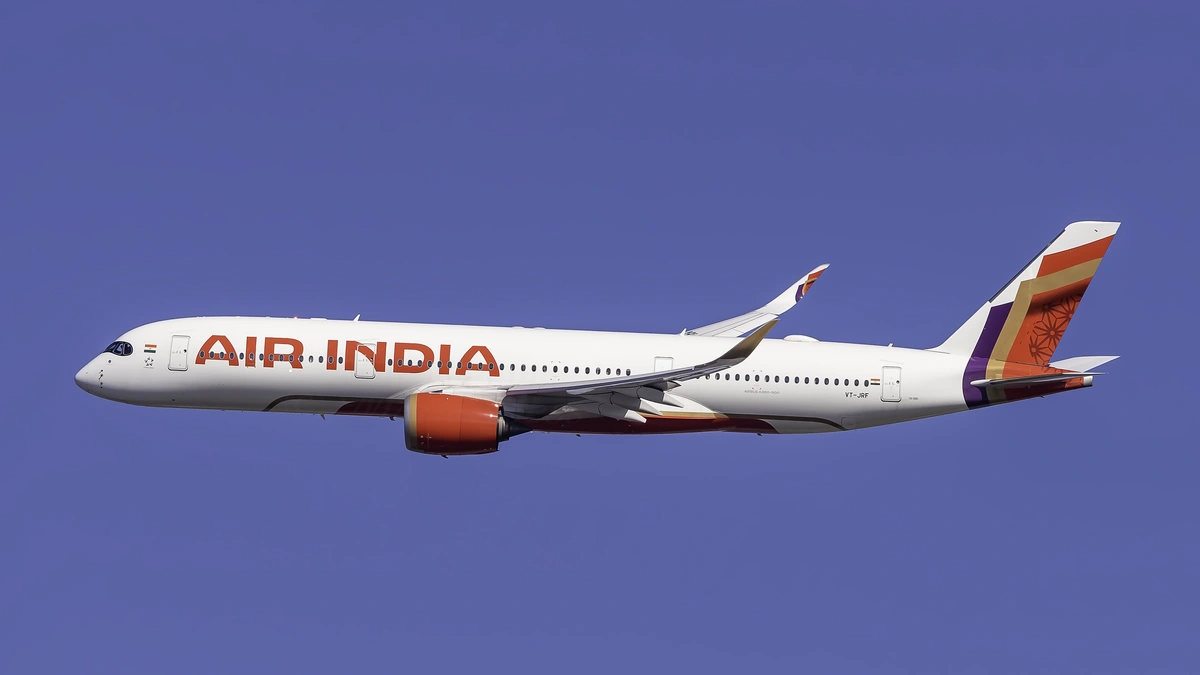
Let’s be honest, airlines are cash-intensive businesses. They require constant infusions of capital to maintain their fleets, cover operational costs, and expand their routes. But this $1.1 billion isn’t just about keeping the lights on. It’s about Air India’s ambitious turnaround strategy under the Tata Group. Remember, the Tata Group acquired Air India back in January 2022, inheriting a mountain of debt and a reputation tarnished by years of mismanagement. The airline had become a symbol of inefficiency, weighed down by bureaucratic processes and a lack of investment. As per the reports, the Indian aviation sector is projected to witness significant growth, and Air India wants to be a major player.
So, what’s the master plan? The money is earmarked for several key areas. First, fleet expansion is crucial. Air India needs to modernize its aging aircraft to compete with other global airlines. Second, improving customer service is paramount. That means investing in training, technology, and infrastructure to provide a seamless and enjoyable travel experience. Third, route optimization is essential. Air India needs to identify and focus on profitable routes while cutting losses on underperforming ones. In order to get a proper hold in the international routes they would require substantial investments. It is also crucial for them to get their financial restructuring in place to ensure efficient use of funds. Think of it as a complete overhaul a transformation from a struggling state-owned enterprise to a world-class airline. And that kind of transformation requires serious investment.
Singapore Airlines’ Role | A Strategic Partnership
The involvement of Singapore Airlines (SIA) is particularly interesting. SIA is renowned for its impeccable service, operational efficiency, and financial strength. What fascinates me is how their expertise will be utilized. This isn’t just about money; it’s about a strategic partnership. SIA holds a minority stake in Air India, giving them a vested interest in its success. The partnership allows Air India to tap into SIA’s vast knowledge and experience in areas such as network planning, revenue management, and customer service. According to Wikipedia , strategic partnership like this can lead to innovation and competitive advantage. It is more than just a financial bailout , but an integrated business strategy.
But, here’s the thing: turning around an airline is a marathon, not a sprint. It takes time, patience, and a lot of hard work. Tata Sons have a track record of successfully transforming businesses, but even they face significant challenges. The Indian aviation market is highly competitive, with a number of established players vying for market share. Air India also needs to overcome its legacy issues, including a bloated workforce and a history of labor disputes.
The Impact on Passengers | What You Can Expect
Ultimately, this investment is about improving the passenger experience. I initially thought this was straightforward, but then I realized the impact is multi-faceted. We’re talking about new aircraft with comfortable seating, improved in-flight entertainment, and enhanced connectivity. We are talking about better food, smoother check-in processes, and more responsive customer service. Air India aims to provide a world-class travel experience that rivals the best airlines in the world. The airline is working to train its staff in customer relationship management so as to cater to the diverse needs of the customers. I would recommend to always consider the flight cancellation policy before you book your tickets.
But, of course, these improvements won’t happen overnight. It will take time to upgrade the fleet, retrain the staff, and implement the necessary changes. So, be patient. A common mistake I see people make is expecting immediate results. Transformation takes time. Don’t be surprised if you still encounter some glitches and hiccups along the way. What’s more exciting is that the airline is working on new international routes so you may soon find yourself planning a trip to your dream destination.
Challenges Ahead | Navigating Turbulence
Let me rephrase that for clarity the road to recovery won’t be easy. Air India faces a number of significant challenges. The rising cost of fuel is a major concern. Fluctuations in exchange rates can also impact profitability. And, of course, there’s the ever-present threat of competition from other airlines.
But, the biggest challenge may be cultural. Air India needs to change its internal culture to become more customer-focused, efficient, and innovative. That means empowering employees, streamlining processes, and embracing new technologies. It means fostering a culture of accountability and continuous improvement. Tata Sons have a proven track record of transforming businesses, but even they face a daunting task. Air India’s revival is crucial not only for the Tata group but for the Indian economy as a whole.
FAQ Section
Frequently Asked Questions
What if Air India fails to secure the funding?
If Air India fails to secure the necessary funding, its turnaround plans could be severely hampered, potentially leading to a slowdown in fleet upgrades and service improvements.
How will this funding affect ticket prices?
While the primary goal of the funding isn’t directly to lower ticket prices, improved efficiency and route optimization could lead to more competitive fares in the long run.
Will this affect Air India’s existing employees?
The turnaround plan may involve some restructuring, but the focus is on training and upskilling existing employees to align with the airline’s new goals.
When can passengers expect to see noticeable improvements?
Passengers can expect to see gradual improvements over the next 12-24 months as the airline implements its transformation strategy.
So, there you have it. Air India’s quest for $1.1 billion in funding is more than just a financial transaction. It’s a critical step in the airline’s ambitious turnaround plan. It’s about modernizing the fleet, improving customer service, and reclaiming its position as a leading global airline. And while the challenges are significant, the potential rewards are even greater. Keep an eye on this space. This is one story that’s definitely worth following.