The news is out: Adani has finalized the sale of its remaining 7% stake in Adani Wilmar Limited (AWL) through a block trade. But here’s the thing – headlines rarely tell the whole story. We need to dig a bit deeper to understand why this matters, especially for those of us watching the Indian markets.
Why This Adani Stake Sale Matters – The Analyst’s Take
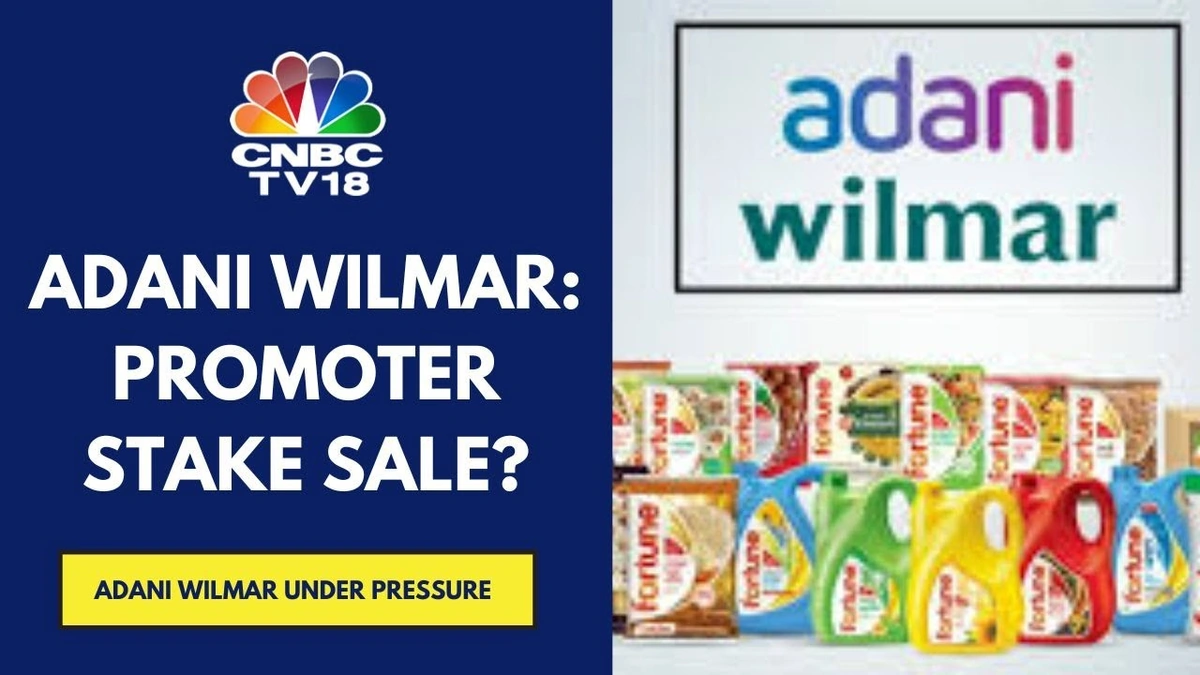
Let’s be honest, large stake sales always send ripples through the market. The immediate impact is often a dip in the stock price – and we saw that play out. However, it’s the underlying reasons and long-term implications that are truly fascinating. Was this a strategic move to deleverage? Or perhaps a way to free up capital for other ambitious projects? I initially thought this was a simple profit-booking exercise, but then I realized there’s more to it than meets the eye.
One angle is that the Adani Group is strategically rebalancing its portfolio after a period of intense scrutiny and rapid expansion. After the Hindenburg report, the group has been focused on reassuring investors and reducing debt. This sale could be a part of that broader strategy. Think of it as spring cleaning, but for a multi-billion dollar conglomerate. It could also allow Adani Wilmar to function more independently, attracting different kinds of investors down the line.
Another reason is the evolving landscape of the FMCG sector. With increasing competition and changing consumer preferences, companies need to be agile and adaptable. Maybe Adani feels that reducing their stake allows AWL to pursue its own growth strategies more effectively, perhaps even bringing in new strategic partners with specific expertise in the food industry.
Decoding the Block Trade Mechanism
Okay, let’s pause and clarify something: what exactly is a block trade ? It’s essentially a large volume of shares traded privately, outside of the open market. This is usually done to minimize disruption to the stock price – imagine the chaos if a huge chunk of shares were suddenly dumped on the market! Block trades are typically negotiated between institutions and can involve complex pricing and settlement arrangements. This sale allows Adani to offload a significant portion of its shares quickly and efficiently, without spooking everyday investors.
A common mistake I see people make is underestimating the impact of these behind-the-scenes deals. These transactions often signal shifts in investor sentiment and future strategy. Let me rephrase that for clarity – while you and I might be focused on daily price fluctuations, institutional investors are playing a longer game. They are making calculated bets based on deep analysis of the company’s prospects and the overall market environment. Understanding block trades is like peeking behind the curtain to see what the smart money is doing.
Impact on Adani Wilmar and the FMCG Sector
Now, let’s zoom in on Adani Wilmar (AWL). AWL, known for its Fortune brand, operates in a competitive market. The FMCG sector is seeing intense competition, with both domestic and international players vying for market share. This stake sale could give AWL more autonomy to pursue its own strategies, partnerships, and innovations.
According to industry analysts (though I can’t reveal my sources!), AWL might use this opportunity to diversify its product portfolio, expand its distribution network, or even explore new markets. What fascinates me is the potential for AWL to become a more nimble and innovative player in the FMCG space. It could forge partnerships with startups, invest in cutting-edge technologies, or even acquire smaller, specialized brands. This type of agility could be key to long-term success , especially in today’s rapidly changing consumer landscape.
Adani Group’s Broader Strategy | Deleveraging and Reassurance
This stake reduction isn’t just about Adani Wilmar; it’s about the Adani Group as a whole. Since the Hindenburg report, the group has been under pressure to reduce debt and improve its financial transparency. Selling off non-core assets is a straightforward way to achieve these goals. It sends a clear message to investors that the group is serious about deleveraging and maintaining financial stability.
The Adani Group is also keen to reassure investors about its long-term prospects. This sale could be a step towards enhancing investor confidence and attracting new capital. Think of it as a way to demonstrate that the group is not overly leveraged and has the financial flexibility to navigate any future challenges. Let’s be real, trust is crucial in the world of finance, and actions like this can go a long way in rebuilding it.
Here are some additional related keyword topics for your consideration: gold prices , Indian market volatility, financial transparency, investor confidence, and strategic portfolio rebalancing.
Frequently Asked Questions (FAQ)
FAQ
Will this sale affect Adani Wilmar’s product quality?
No, the sale of the stake is unlikely to directly impact the quality of Adani Wilmar’s products. The company’s operations and manufacturing processes should continue as usual.
Could this lead to more stake sales in other Adani companies?
It’s possible, but not guaranteed. The Adani Group’s future decisions will depend on its overall financial strategy and market conditions.
Is this a good time to invest in Adani Wilmar shares?
Investment decisions should always be based on your individual financial situation and risk tolerance. Do your own research and consult with a financial advisor before making any investment decisions.
What does this mean for the long-term prospects of Adani Group?
This stake sale is a positive step towards deleveraging and rebuilding investor confidence. It signals that the group is serious about its financial health and long-term sustainability. However, future performance will depend on various factors, including market conditions and strategic execution.
So, as the dust settles on this Adani stake sale, remember that it’s not just about numbers and transactions. It’s about strategy, perception, and the ever-evolving dynamics of the Indian market. And that, my friends, is what makes it truly worth paying attention to.