Alright, let’s dive into this TCS situation – because, honestly, a $194 million penalty isn’t exactly pocket change. But it’s not just about the money, is it? It’s about what this legal battle reveals about the tech world, intellectual property, and the risks involved when giants clash. What fascinates me is, this isn’t just a blip; it’s potentially a signal. A signal about how seriously the US is taking intellectual property rights and how companies operating there better be squeaky clean.
The Backstory | What Went Down?
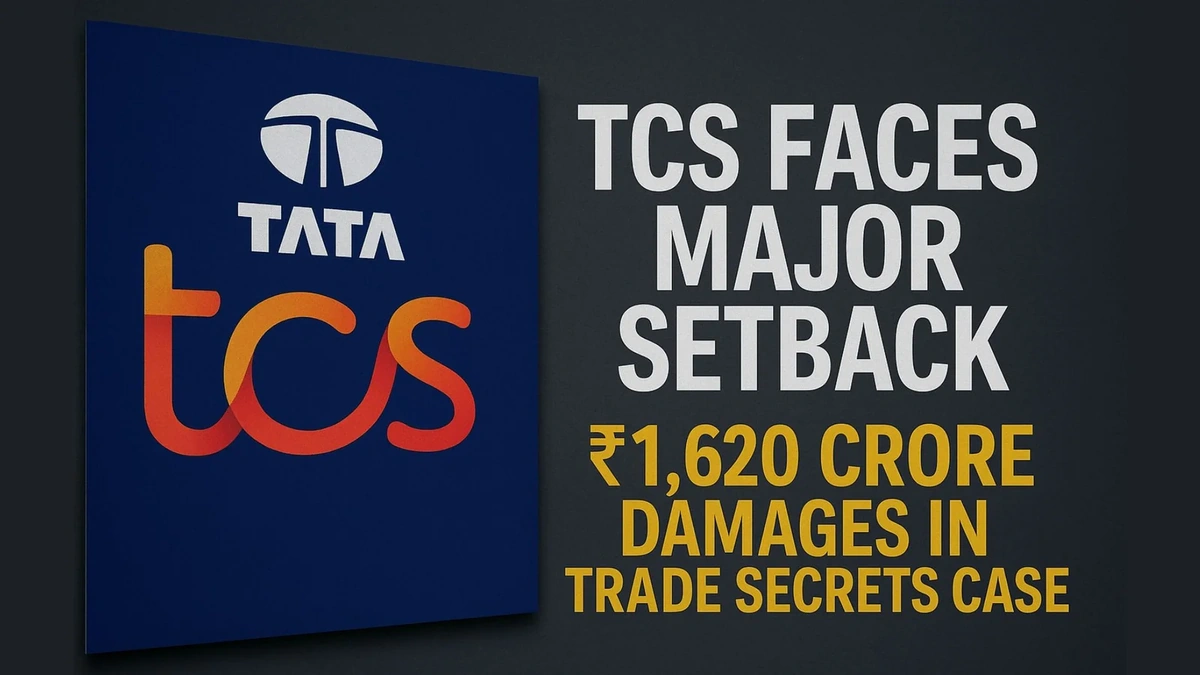
So, here’s the gist. TCS , one of India’s biggest IT behemoths, got slapped with this massive penalty in the US after a court battle with Epic Systems, a healthcare software company. The core issue? Epic Systems accused TCS of stealing their trade secrets to develop a competing software platform. I initially thought this was a simple case of corporate espionage, but it’s layered. It’s about understanding just how valuable proprietary software and algorithms are in today’s market, and the lengths companies will go to protect them. A common mistake I see companies make is underestimating the value of its data. Trade secrets are the backbone of any innovation.
Why This Matters (The Analyst’s Take)
Now, you might be thinking, “Okay, a company lost a lawsuit. Big deal.” But here’s why this reverberates beyond just TCS and Epic Systems. This verdict sets a precedent. It’s a loud message to other tech companies operating in the US (and globally, frankly): intellectual property theft will be met with serious consequences. And let’s be honest, the sums involved are eye-watering. This case underscores the importance of ironclad contracts, thorough due diligence, and a culture of respect for intellectual property. It’s a wake-up call. It’s not just about avoiding penalties. It’s about ethical business practices. What fascinates me is that companies need to see intellectual property rights are not just a legal requirement but also a moral imperative.
According to legal experts (as reported in the Wall Street Journal ), this case could trigger a wave of similar lawsuits. But , it all depends on the specifics of each case. Each case will be examined meticulously by the courts.
The India Angle: What Does This Mean for TCS and the IT Sector?
So, what’s the fallout for TCS back home? Well, a $194 million hit is going to sting. It’s not going to bankrupt them, obviously. TCS is a massive company with deep pockets. But it does impact investor confidence, at least in the short term. And it forces a serious internal review of their compliance processes. Learn more about impact to investor confidence.
Here’s the thing: India’s IT sector has thrived on providing cost-effective solutions, sometimes pushing the boundaries of what’s considered “fair use” of existing technology. This case will force Indian IT companies to re-evaluate their processes and ensure they are not inadvertently stepping on anyone’s intellectual property rights. Let me rephrase that for clarity: TCS and other companies are going to have to increase their investment in legal and compliance departments.
And there are broader implications. A reputation hit in the US market can impact future business opportunities. The one thing you absolutely must double-check when operating abroad is regulatory compliance.
Navigating the Complexities | A Guide for Businesses
Okay, so how can businesses avoid ending up in a similar situation? Here’s a step-by-step guide based on what I’ve gleaned from this whole TCS saga:
- Due Diligence, Due Diligence, Due Diligence: Before you even think about developing a competing product, conduct thorough research to ensure you’re not infringing on existing patents or trade secrets. Hire independent experts. Get a second, third, even fourth opinion.
- Ironclad Contracts: Your contracts with employees and partners need to be airtight. Clearly define intellectual property ownership and usage rights. No ambiguity allowed.
- Employee Training: Educate your employees on intellectual property laws and the importance of respecting them. Make it part of your company culture.
- Audit Your Processes: Regularly audit your software development and data handling processes to identify potential risks.
- When in Doubt, Consult a Lawyer: Seriously. Don’t try to navigate these complex legal waters on your own. Hire a lawyer specializing in intellectual property law.
The Emotional Angle | Rebuilding Trust and Moving Forward
The moment news breaks of a major legal setback, panic can set in. We’ve all been there. It’s understandable to feel anxious when your company’s reputation and financial stability are on the line. But it’s crucial to remember that setbacks are often opportunities in disguise. Here’s how companies can navigate this challenging emotional landscape:
- Acknowledge the Issue: Ignoring the problem won’t make it go away. Acknowledge the situation to employees, investors, and the public.
- Take Responsibility: If mistakes were made, own them. Show that you are committed to learning from the experience and preventing similar issues in the future.
- Communicate Transparently: Keep stakeholders informed about the steps you are taking to address the situation. Honesty and transparency build trust.
- Focus on Solutions: Shift the focus from the problem to the solutions. Highlight the measures you are implementing to strengthen your compliance processes and protect intellectual property.
- Rebuild Trust: Trust takes time to rebuild. Consistently demonstrate your commitment to ethical business practices and intellectual property rights.
Know more about building trust.
Conclusion | A Lesson Learned (Hopefully)
So, the TCS case serves as a stark reminder that in today’s globalized economy, intellectual property rights are paramount. It’s about more than just avoiding penalties. This should also be about fostering a culture of innovation built on respect and ethical practices. I initially thought this was a simple case, but in reality its an opportunity for introspection and improvement. The one thing you absolutely must double-check before getting started is understanding and awareness of intellectual property rights.
FAQ Section
What exactly are trade secrets?
Trade secrets are confidential information that gives a business a competitive edge. This can include formulas, practices, designs, or instruments.
What are the potential consequences of intellectual property theft?
Consequences can include hefty fines, legal battles, damage to reputation, and loss of business opportunities.
How can companies protect themselves from intellectual property lawsuits?
By conducting thorough due diligence, having ironclad contracts, training employees, auditing processes, and consulting with lawyers.
What should companies do if they are accused of intellectual property theft?
Immediately consult with legal counsel specializing in intellectual property law to assess the situation and develop a strategy.
How does this penalty affect TCS‘s operations?
While TCS is a large company, a $194 million penalty can impact investor confidence and force a review of compliance processes.
Why is intellectual property so important in today’s market?
Intellectual property drives innovation and economic growth. It protects the unique creations and inventions of businesses, encouraging further development.