Okay, let’s be honest, when I first saw this headline, my brain did a little dance of confusion. RBI ? UPI ? Europe? TIPS? It sounded like alphabet soup. But, here’s the thing: this is actually a pretty big deal for anyone who sends money abroad, especially if you’re in India. So, let’s break it down. This isn’t just about some technical integration; it’s about potentially revolutionizing how we handle cross-border transactions, making them faster, cheaper, and more accessible. The key question is, why does this matter to you?
The ‘Why’ Behind Seamless Transactions | A Game Changer
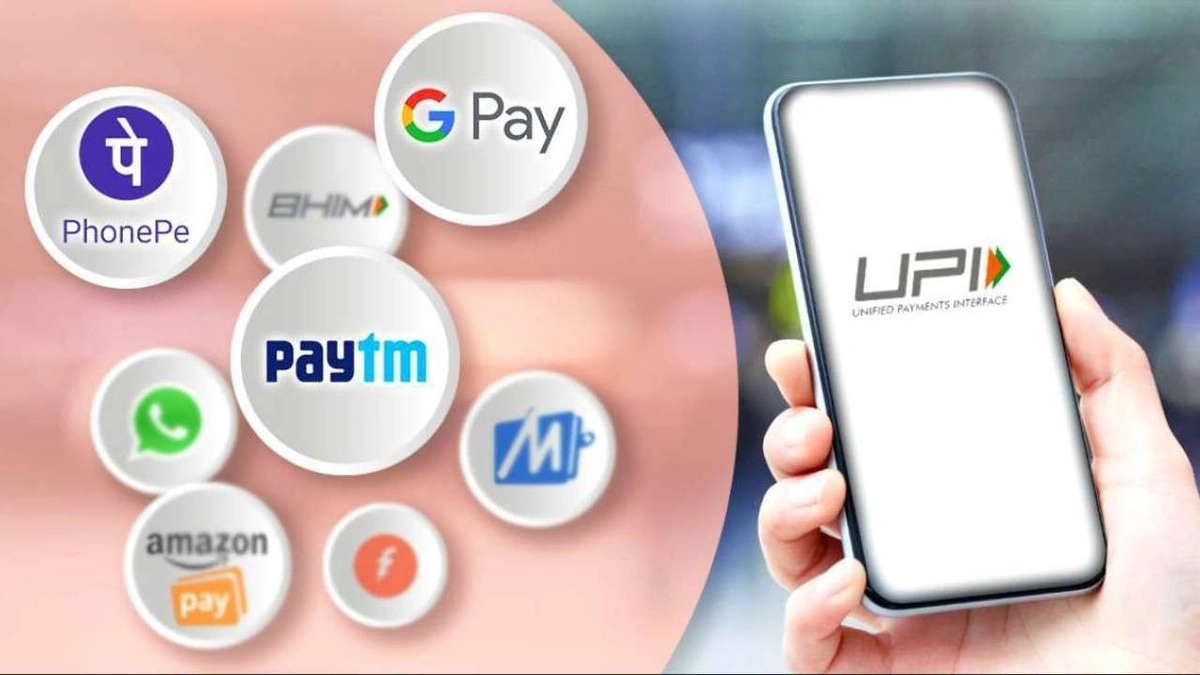
The core of this news is the integration of India’s Unified Payments Interface (UPI) with Europe’s Target Instant Payment Settlement (TIPS) system. Now, TIPS is a real-time gross settlement system owned and operated by the European Central Bank. It enables payment service providers to transfer funds instantly between each other on behalf of their customers. Think of it like UPI , but for Europe. The beauty here lies in the potential for real-time, cross-border payments. No more waiting days for money to transfer! The European Central Bank’s website provides an in-depth look at the TIPS system.
But why is this so important? For starters, it addresses a major pain point: the cost and time associated with traditional cross-border payments. Current systems often involve multiple intermediaries, each taking a cut and adding delays. This integration aims to bypass those hurdles. What fascinates me is the sheer ambition of this – connecting two major payment systems across continents.
How This Integration Works (and Why It Matters to You)
So, how does it all work? Essentially, it involves creating a bridge between the two systems. Indian banks and payment service providers (PSPs) can connect to TIPS, allowing them to process payments directly to and from European accounts. The exact technical details are, admittedly, complex. Let me rephrase that for clarity: It’s complicated, but the end result is simple: faster, cheaper payments.
Think about it: If you have family studying in Europe, sending them money just got a whole lot easier. If you’re a business that frequently deals with European clients or suppliers, this could significantly streamline your operations. The reduction in transaction fees alone could be a game-changer. A common mistake I see people make is underestimating the cumulative impact of these small fees over time.
The Broader Implications for India and the World
This move also signals something bigger: India’s growing influence in the global financial landscape. UPI has been a massive success story domestically, and now it’s being taken global. This integration with TIPS could pave the way for similar collaborations with other countries and regions. I initially thought this was straightforward, but then I realized the implications of this extended far beyond the immediate transaction. This could foster stronger economic ties and facilitate easier trade and investment between India and Europe.
And, there’s the technological aspect. This showcases India’s capabilities in developing and deploying cutting-edge payment technologies. This can encourage innovation in the fintech sector. It demonstrates that India is not just a consumer of technology, but also a significant contributor. As per the guidelines mentioned in various reports, the success of this venture hinges on seamless technological integration and regulatory cooperation.
Security and the Future of Cross-Border UPI
But, with any new system, security is paramount. Ensuring the safety and integrity of these transactions is crucial. Both UPI and TIPS have robust security measures in place, but the integration needs to maintain those standards. A potential concern is the increased complexity, which could introduce new vulnerabilities. It’s best to keep checking official portals for updates on security protocols.
Looking ahead, this integration could be a model for other countries looking to improve their cross-border payment systems. It could also accelerate the adoption of digital payments globally, reducing our reliance on traditional methods. But , the real question is: Will other countries follow suit? The potential is definitely there .
What fascinates me is the sheer scale of potential impact. We’re talking about reshaping the way money moves across borders, making it more efficient and accessible for everyone. It’s not just about the technology; it’s about empowering people and businesses to participate more fully in the global economy. And here’s a thought experiment – What if, in the future, all international transactions were as simple as a UPI payment?
FAQ About UPI and Cross-Border Transactions
Frequently Asked Questions
What is UPI and how does it work?
UPI (Unified Payments Interface) is a real-time payment system developed in India that allows users to transfer money instantly between bank accounts using a mobile app.
How will the integration of UPI with TIPS benefit me?
It aims to make cross-border transactions faster, cheaper, and more efficient, especially when sending money between India and Europe.
Is this integration secure?
Yes, both UPI and TIPS have strong security measures, and the integration is designed to maintain those standards.
Will this affect all international transactions?
Initially, it will primarily affect transactions between India and Europe, but it could potentially expand to other regions in the future.
What are the potential risks associated with this integration?
Potential risks include increased complexity and the need for ongoing monitoring to prevent new vulnerabilities.
Where can I find more information about UPI and TIPS?
You can find more information on the websites of the National Payments Corporation of India (NPCI) and the European Central Bank (ECB).
So, to conclude, the RBI’s integration of UPI with Europe’s TIPS isn’t just a dry piece of financial news; it’s a glimpse into a future where international payments are as seamless as paying for your chai at the local tapri. What a time to be alive!