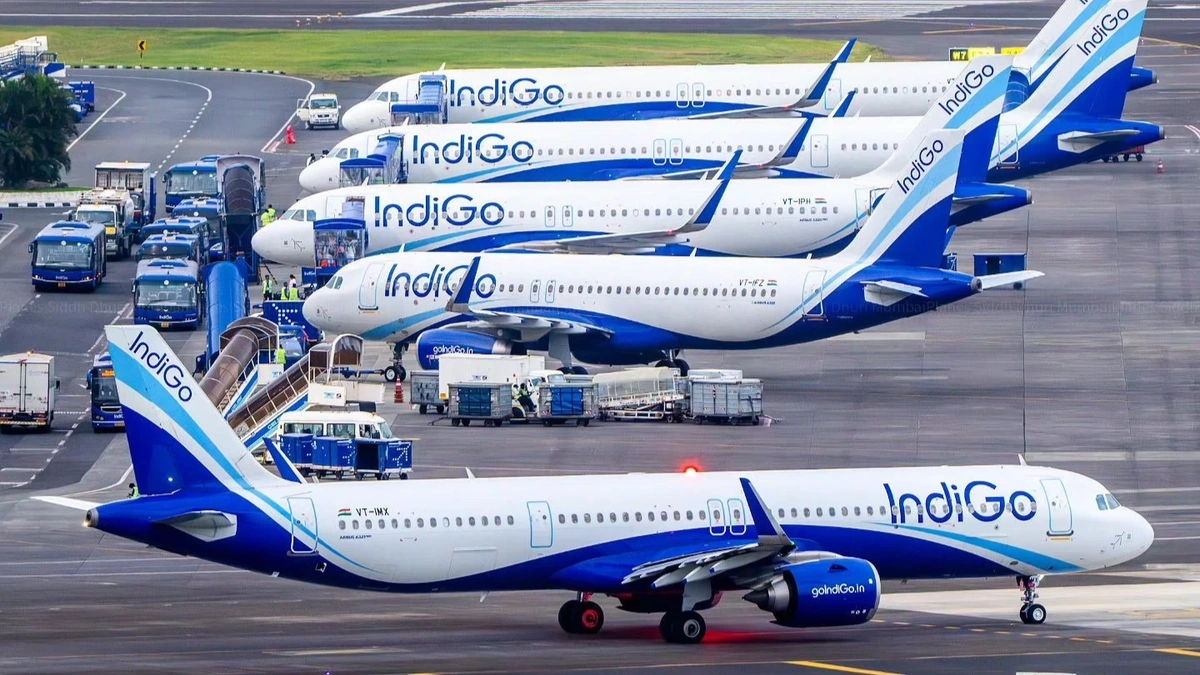
Here’s the thing: When you hear that IndiGo , India’s largest airline, is throwing down $820 million for aviation assets, it’s easy to think, “Okay, cool, they’re buying stuff.” But let’s be honest; it’s so much more than that. It’s a chess move in the increasingly complex game of the Indian aviation sector. What fascinates me is unpacking why this is happening now and what it really means for you, the Indian traveller.
Why Now? Decoding IndiGo’s Big Move

So, why is IndiGo investing heavily now? A few factors are likely at play. First, post-pandemic, air travel in India has seen a massive resurgence. People are itching to fly, whether it’s for business, leisure, or visiting family. Demand is high, and IndiGo, as the market leader, is positioning itself to capitalize on this boom. But, there’s more to it. See, airlines need to constantly update and expand their fleet to remain competitive and offer the best service. It’s not just about having more planes; it’s about having newer, more fuel-efficient ones. This allows for better routes, lower operating costs, and, potentially, more competitive ticket prices in the long run. Investing in aviation assets – which could include aircraft, engines, or even technology – is a strategic imperative.
And, let’s not forget the global context. Aircraft manufacturers like Airbus and Boeing have faced supply chain disruptions. Securing assets now could be a preemptive strike against potential future shortages. It’s like buying umbrellas before the monsoon – a smart move to avoid getting caught in the rain. This large expenditure signifies a strategic move to stabilize its operations in the face of fluctuating market conditions, a vital strategy for managing aviation asset management effectively. But IndiGo isn’t just buying planes; they’re investing in future-proofing their business.
The Ripple Effect | What It Means for You
Okay, so IndiGo is spending a ton of money. Big deal, right? Wrong. This investment has a direct impact on passengers. Think about it: newer planes often mean better in-flight experience – more comfortable seats, better entertainment systems, and, crucially, more reliable flights. No one likes delays, and a modern fleet helps minimize those dreaded disruptions. But the biggest impact is likely to be on air ticket prices . While it’s not a guarantee, increased efficiency and capacity can lead to more competitive fares. IndiGo’s ability to offer attractive pricing has been a cornerstone of its success, and this investment signals their intent to maintain that edge.
And there’s more. IndiGo’s investment could spur other airlines to follow suit. Competition is good for consumers, and a more dynamic aviation sector means more choices, better services, and potentially lower prices across the board. This isn’t just about one airline; it’s about the evolution of the entire Indian aviation landscape. It also impacts route expansion . With an infusion of new assets, IndiGo can look at new destinations and routes that would not be possible otherwise, potentially boosting regional connectivity. This helps smaller cities and towns join the bigger network and expand the Indian aviation network.
Navigating the Skies | Expert Tips for Indian Travelers
So, you’re planning a trip, and all this aviation news is swirling around. What should you do? First, be flexible with your travel dates. Mid-week flights are often cheaper than weekend ones. Second, book in advance, but not too far in advance. There’s a sweet spot, usually a few weeks to a couple of months before your travel date. And third, sign up for airline loyalty programs. Even if you don’t fly frequently, the perks can be worth it – priority boarding, extra baggage allowance, and even upgrades. Plus, keep an eye on flash sales and promotional offers. Airlines often release limited-time deals, and snagging one of those can save you a significant amount of money.
A common mistake I see people make is to only look at the price of the ticket. Factor in baggage fees, seat selection charges, and even the cost of getting to and from the airport. Sometimes, a slightly more expensive ticket with fewer add-on fees can actually be cheaper overall. And the one thing you absolutely must double-check on your ticket is your PNR status . I initially thought this was straightforward, but then I realized that this is one important detail that people overlook. This confirms your reservation and provides you with all the necessary information about your flight.
Speaking of airports, consider flying into alternative airports if available. Major cities often have multiple airports, and flying into a smaller, less congested one can save you time and hassle – not to mention potentially lower fares. And always, always, always check the airline’s baggage policy before you pack. Overweight baggage fees can be brutal! Also, always monitor the Indian aviation sector news to be aware of any changes to aviation asset investments that may affect your travel plans. Maruti Suzuki Q Results and gold price climb provide insights on market conditions and investment trends that affect various sectors.
IndiGo’s Future Trajectory
What can we expect from IndiGo in the coming years? I predict continued expansion, both domestically and internationally. With its massive fleet and strong market position, IndiGo is well-placed to tap into the growing demand for air travel in India and beyond. We’ll likely see more direct flights to new destinations, improved in-flight services, and a greater focus on customer experience. IndiGo may explore partnerships with other airlines to extend its reach and offer seamless travel options to even more destinations. But, and this is a big but, IndiGo will need to navigate rising fuel costs, increased competition, and evolving customer expectations. The aviation sector is dynamic, and success requires constant adaptation and innovation. As aviation expands, so does the demand for aviation skilled workforce , which has led to a growth in aviation academies.
But, ultimately, this $820 million investment isn’t just about buying planes; it’s about investing in the future of Indian aviation. It’s a bet on growth, a commitment to customers, and a signal that IndiGo intends to remain the dominant force in the skies. It’s a story worth watching – and one that will directly impact your travel experiences for years to come. You can also check other airline industries such as Air India , on Wikipedia.
FAQ
What kind of aviation assets are we talking about?
Likely aircraft (Airbus A320 family, perhaps?), engines, and possibly even investments in technology to improve operational efficiency. We’ll know more as details emerge.
Will this investment lead to lower ticket prices?
Potentially. Increased efficiency and capacity can create downward pressure on fares, but it’s not a guarantee. Many factors influence air ticket costs .
How will this affect IndiGo’s international routes?
It could enable IndiGo to expand its international network and offer more long-haul flights. Keep an eye out for new destinations!
Is IndiGo’s dominance in the market a good thing for consumers?
Competition is generally beneficial. However, IndiGo’s scale allows it to offer competitive prices and invest in its fleet and services.
How can I find the best deals on IndiGo flights?
Be flexible with your travel dates, book in advance (but not too far out), and sign up for IndiGo’s loyalty program and flash sales.
Will this investment lead to more job opportunities?
Almost certainly. Expansion typically creates new jobs for pilots, cabin crew, engineers, and ground staff.