Nvidia. The name is almost synonymous with the future now, isn’t it? We’re not just talking about graphics cards for your gaming rig anymore. We’re talking about a company that’s now sitting at the top of the world, financially speaking, having surpassed a $5 trillion valuation . This isn’t just news; it’s a seismic shift in the tech landscape. What fascinates me is how Nvidia, once a niche player, has become the key enabler for the AI revolution.
The “Why” | Nvidia’s AI Dominance and What It Means for You
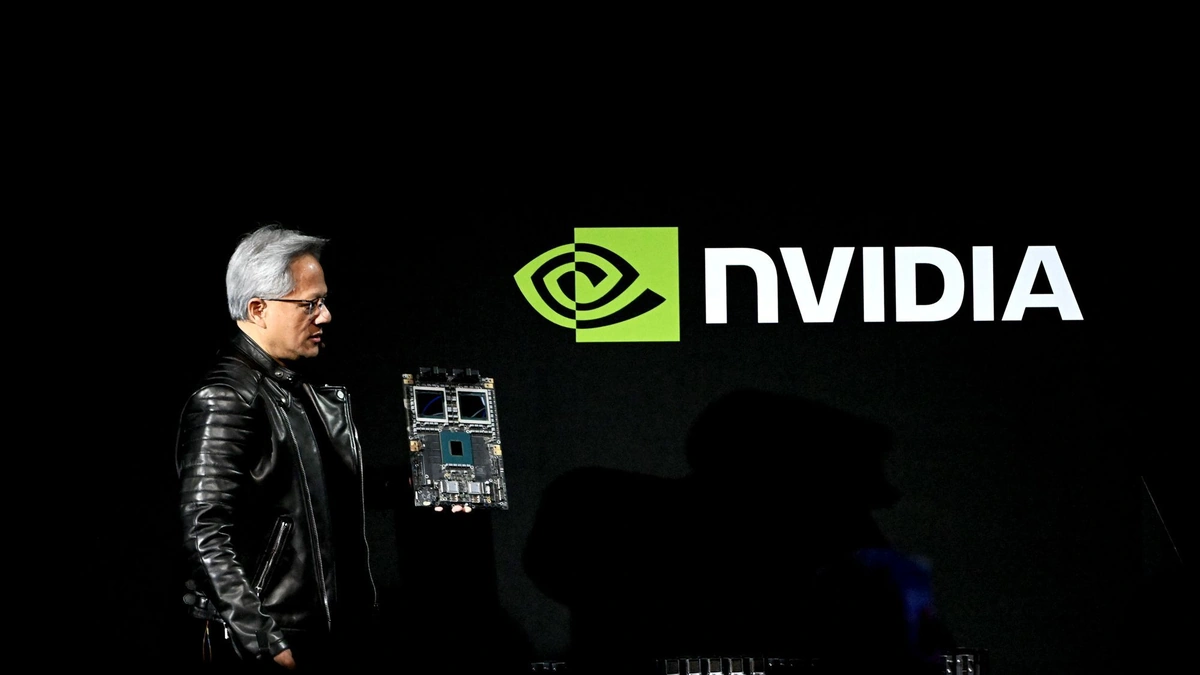
So, why does this matter to someone in India, whether you’re an investor, a tech enthusiast, or just someone curious about the future? Well, it’s all about understanding the underlying currents. Nvidia’s surge isn’t random. It’s fueled by its dominance in the AI chip market. And AI, my friends, is poised to reshape everything. From agriculture to healthcare, from education to entertainment, AI is already making inroads and India is a HUGE market for them to grow. Nvidia’s GPUs are the workhorses that power these AI systems. Let me rephrase that: Nvidia’s hardware isn’t just good; it’s essential. They have a near-monopoly on the high-end chips needed for training complex AI models.
But there’s more to it than just hardware. Nvidia has also built a thriving ecosystem around its technology. Their CUDA platform, for example, is the industry standard for AI development. This means that developers are more likely to build on Nvidia’s platform, further solidifying their position. Think of it as the Android of the AI world – widely adopted and incredibly sticky.
How Nvidia’s Rise Impacts India’s Tech Aspirations
India has massive ambitions in the AI space. The government is pushing for AI adoption across various sectors, and there’s a burgeoning startup ecosystem focused on AI-powered solutions. Nvidia’s dominance, therefore, presents both opportunities and challenges. The opportunity is access to cutting-edge technology. Indian companies can leverage Nvidia’s platform to build innovative AI applications. The challenge, however, is cost and competition. Nvidia’s chips are expensive, and access to them can be a barrier for smaller players. Furthermore, the concentration of power in one company raises concerns about potential vendor lock-in. A common mistake I see people make is underestimating the importance of diversifying their AI infrastructure. Don’t put all your eggs in one basket. Explore alternatives and ensure you’re not overly reliant on a single provider. AI’s impact is undeniable!
What fascinates me is that this isn’t just about tech. It’s about geopolitics. The global race for AI supremacy is heating up, and Nvidia is a key player. The US government has imposed restrictions on the export of advanced chips to China, further highlighting Nvidia’s strategic importance. For India, this presents an opportunity to position itself as a trusted partner in the AI landscape. But it also means navigating a complex geopolitical environment.
Investing in the Future | Is Nvidia a Good Bet?
For investors, Nvidia’s rise is a compelling story. The stock has been on a tear, and many analysts believe there’s still plenty of upside potential. But let’s be honest, the stock is not cheap. It’s trading at a premium valuation, reflecting the market’s high expectations. So, is it still a good bet? Well, that depends on your risk tolerance and investment horizon. If you’re a long-term investor and believe in the continued growth of AI, Nvidia could be a solid addition to your portfolio. However, be prepared for volatility. The stock is likely to be sensitive to any setbacks in the AI space or changes in the competitive landscape. As per guidelines from market analysis, always do your research!
I initially thought this was straightforward, but then I realized that this isn’t just about Nvidia’s financial success. It’s about the broader implications for the future of technology, the global economy, and even society itself. Nvidia’s journey to the top is a testament to the power of innovation and the transformative potential of AI. But it also raises important questions about competition, access, and the ethical implications of this powerful technology. What’s abundantly clear is that Nvidia’s stock is something to keep an eye on.
The Ethical Considerations | AI’s Impact on Jobs and Society
Now, let’s address the elephant in the room: the potential impact of AI on jobs. As AI becomes more sophisticated, there are concerns that it could automate many tasks currently performed by humans. This could lead to job displacement and increased inequality. It’s a valid concern, and one that needs to be addressed proactively. However, it’s important to remember that technological advancements have always disrupted the job market. And while some jobs may be lost, new ones will be created. The key is to invest in education and training to equip people with the skills they need to thrive in the age of AI. A common mistake I see people make is thinking that AI will replace humans entirely. It’s more likely to augment human capabilities, making us more productive and efficient.
But, the ethical considerations extend beyond jobs. AI raises questions about bias, privacy, and security. AI systems are trained on data, and if that data is biased, the AI system will perpetuate those biases. This could lead to unfair or discriminatory outcomes. Furthermore, AI systems can be vulnerable to hacking and manipulation, which could have serious consequences. The one thing you absolutely must double-check is that AI systems are developed and deployed responsibly, with appropriate safeguards in place. These AI developments are going to change the world as we know it.
Final Thoughts | Nvidia’s Future and India’s Role
So, where does this all lead? Nvidia’s future is inextricably linked to the future of AI. As AI continues to evolve, Nvidia will likely remain a dominant player, provided it can maintain its technological edge and navigate the competitive landscape. For India, the challenge is to harness the power of AI for its own development while addressing the ethical and societal implications. This requires a concerted effort from government, industry, and academia. India has the potential to become a global leader in AI, but it needs to act decisively and strategically. In conclusion, understanding Nvidia’s AI dominance is crucial, not just for investors or tech enthusiasts, but for anyone interested in shaping the future.
The moment of truth is upon us. The tech landscape is evolving. Here’s why Nvidia is important to India.
FAQ Section
What exactly does Nvidia do?
Nvidia designs and manufactures graphics processing units (GPUs). These GPUs are widely used in gaming, professional visualization, data centers, and increasingly, in artificial intelligence.
Why is Nvidia so valuable?
Nvidia’s value stems from its dominance in the AI chip market. Its GPUs are essential for training and running complex AI models, making it a key enabler of the AI revolution.
Is Nvidia’s stock still a good investment?
That depends on your individual risk tolerance and investment horizon. The stock is currently trading at a premium valuation, reflecting high market expectations. A responsible investor will always check financial analyses before buying stocks.
How does Nvidia’s rise affect India?
It presents both opportunities and challenges. Indian companies can leverage Nvidia’s technology to build innovative AI applications, but they also face challenges related to cost and competition.
What are the ethical concerns surrounding AI?
AI raises concerns about job displacement, bias, privacy, and security. It’s crucial to develop and deploy AI systems responsibly, with appropriate safeguards in place.
Where can I find more information about Nvidia’s technology?
You can visit Nvidia’s official website or consult industry blogs and research reports for the latest updates and insights.