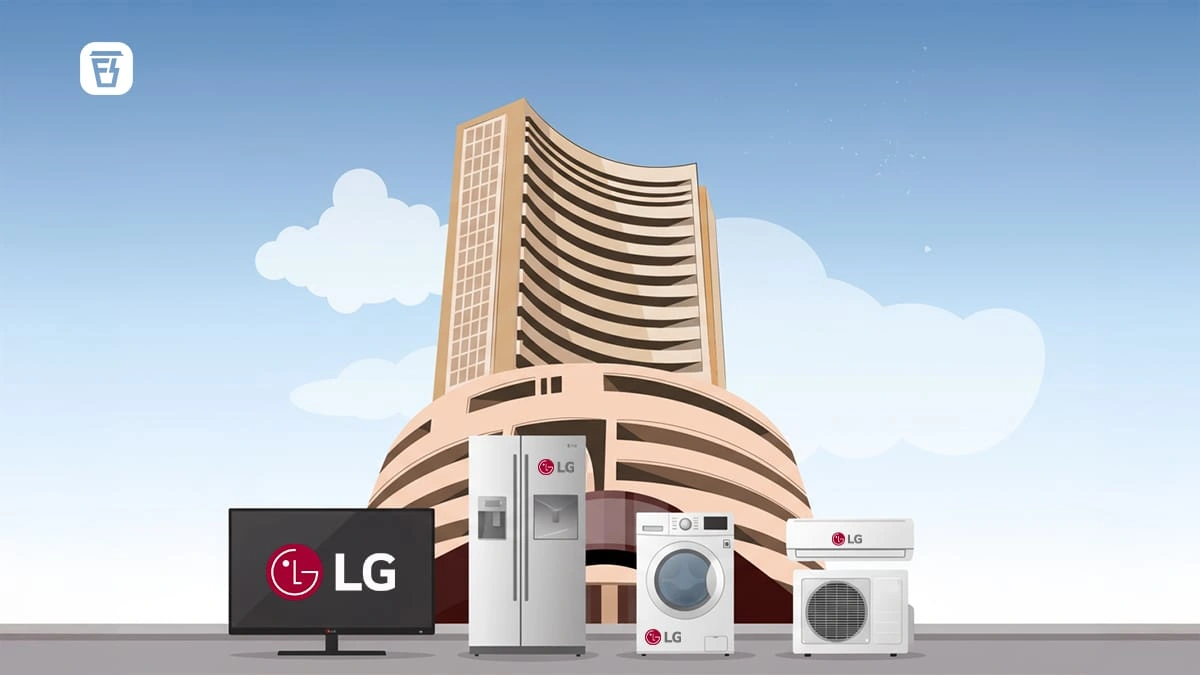
So, the buzz is all around – LG Electronics India might be hitting the Indian stock market with an IPO. An initial public offering ( IPO ) from a brand as established as LG? It’s got everyone, especially retail investors like you and me, buzzing with questions. But before you jump into the frenzy, let’s take a breath and understand what this could mean for your investment portfolio. Here’s the thing: IPOs can be exciting, but they’re not always a guaranteed win. That’s where a little bit of homework can save you from a lot of potential headaches.
1. Why an LG India IPO Matters – More Than Just Another Listing
Let’s be honest – India’s IPO market has seen its share of ups and downs. But the potential LG Electronics India IPO is different. Why? Because it signifies a deeper commitment to the Indian market. It’s not just about raising capital; it’s about entrenching themselves further in a market they see as crucial for their global growth. What fascinates me is the potential ripple effect – will this encourage other multinational giants to list their Indian arms? The answer to that question is something market analysts are keeping a close watch on.
Think about it: LG has been a household name in India for decades. From TVs to washing machines, they’ve built a brand that resonates with Indian consumers. An IPO gives Indian investors a chance to own a piece of that success story directly. But , don’t let brand recognition alone sway your decision. Remember, investing in an IPO is different from buying a product. You’re buying a stake in the company’s future, not just its past performance. An IPO can impact the Indian stock market positively.
2. Decoding the IPO Objectives | Where Will Your Money Go?
This is where the rubber meets the road. An IPO isn’t just about a company raising money; it’s about what they plan to do with that money. Is LG looking to expand its manufacturing capabilities in India? Are they planning to invest heavily in research and development for new products tailored to the Indian market? Or are they simply looking to reduce debt? Knowing the answers to these questions is crucial. For example, expansion plans might signal high growth potential, while debt reduction could indicate a more conservative, stable approach. It’s important to note that the IPO objectives will be clearly stated in the Draft Red Herring Prospectus (DRHP), so keep an eye out for that.
And, don’t just take the company’s word for it. Do your own digging. Read analyst reports, compare LG’s plans with those of its competitors, and assess whether their strategies align with the overall market trends. A common mistake I see people make is blindly trusting the hype surrounding an IPO. Remember, every company puts its best foot forward during an IPO, but it’s your job to see beyond the marketing and assess the underlying fundamentals.
3. The Nitty-Gritty | Financial Health and Key Performance Indicators (KPIs)
Now comes the less glamorous but equally important part: crunching the numbers. Before you even consider applying for the LG India IPO share allotment , take a hard look at LG Electronics India’s financial statements. What’s their revenue growth like? What are their profit margins? How much debt do they have? These are questions you need to ask – and answer – before making any investment decisions.
But, don’t just look at the absolute numbers. Compare them to industry averages and to LG’s competitors. Are they outperforming the market, or are they lagging behind? Also, pay attention to key performance indicators (KPIs) specific to the electronics industry. For example, market share, customer satisfaction scores, and innovation pipeline are all important indicators of future success. This IPO presents retail investors with an opportunity to purchase LG shares .
4. Understanding the Risks | What Could Go Wrong?
Let’s be realistic – every investment comes with risks, and IPOs are no exception. What are some of the potential pitfalls of investing in the LG India IPO? For starters, the IPO market can be volatile. Stock prices can fluctuate wildly in the days and weeks following the listing, especially if there’s a lot of hype surrounding the IPO. This is where understanding the LG IPO price band is crucial. A high valuation might mean limited upside potential, while a lower valuation could signal a more attractive entry point.
Plus, there are company-specific risks to consider. What if LG’s competitors launch a disruptive new product? What if there’s a slowdown in consumer spending? What if there are regulatory changes that impact the electronics industry? These are all factors that could negatively impact LG’s performance – and your investment. Do you understand the Grey Market Premium (GMP) ? Don’t get swayed by market hype, there are risks involved.
5. How to Apply and What to Expect After the Listing
Okay, you’ve done your homework, assessed the risks, and decided that you want to invest in the LG India IPO. Now what? The process of applying for an IPO is relatively straightforward. You’ll need a Demat account and a trading account. You can then apply online through your broker’s website or through the UPI platform. The one thing you absolutely must double-check is that you have enough funds in your account to cover your application.
But, getting an allotment isn’t guaranteed. IPOs are often oversubscribed, meaning that there’s more demand than available shares. If this happens, the shares will be allotted on a lottery basis. And even if you do get an allotment, be prepared for volatility after the listing. Stock prices can go up or down, sometimes dramatically, in the first few days of trading. The key is to stay calm, stick to your investment strategy, and don’t let emotions drive your decisions. If you already have other investments, this IPO can provide for portfolio diversification . You can check Jupiter Electric Scooter to understand more about investment decisions. You can also compare with other markets, like the Platina New Model Bike market.
FAQ
What is a Demat account, and why do I need one?
A Demat account is like a bank account for your shares. It holds your shares in electronic form, making it easier to buy and sell them. You need a Demat account to participate in the IPO.
What if I don’t get an allotment of shares?
If you don’t get an allotment, your funds will be refunded back to your account. Don’t worry; there are plenty of other investment opportunities out there.
Where can I find the Draft Red Herring Prospectus (DRHP)?
The DRHP will be available on the websites of the Securities and Exchange Board of India (SEBI) and the lead managers of the IPO.
Is investing in an IPO a guaranteed way to make money?
Absolutely not. IPOs can be risky investments, and there’s no guarantee that you’ll make a profit. Do your research and only invest what you can afford to lose.
What is the lock-in period for IPO shares?
There is typically no lock-in period for shares allotted to retail investors in an IPO, meaning you can sell them immediately after they are listed on the stock exchange.
So, there you have it – a comprehensive guide to navigating the LG India IPO. Remember, investing is a marathon, not a sprint. Do your homework, stay informed, and make smart, rational decisions. Good luck!