
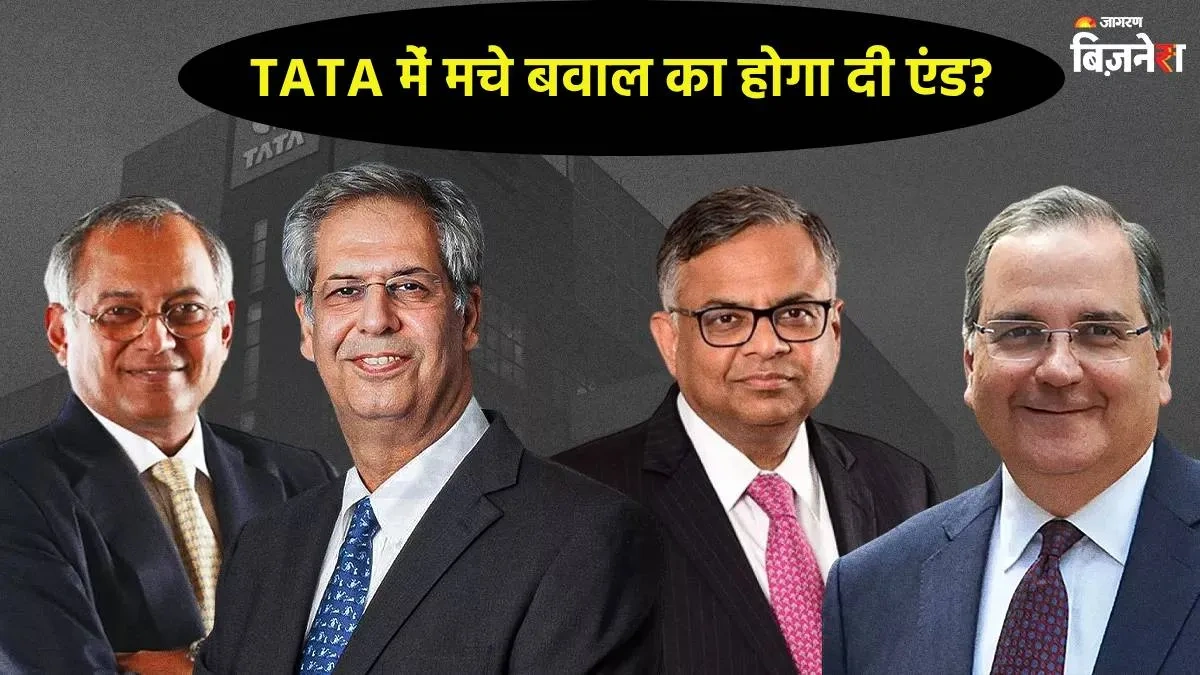
Here’s the thing: When you hear whispers about the Mistry family potentially listing Tata Sons , it’s not just another business headline. It’s a tectonic shift in the Indian corporate landscape – one that sends ripples through boardrooms and impacts the portfolios of countless investors. But why now? And what does it really mean?
Let’s be honest, disentangling the complexities of the Tata Group and the Mistry family’s involvement is like trying to understand the offside rule in football – seemingly straightforward, but rife with nuance once you dig in. This isn’t just about stocks and shares; it’s about legacy, power, and the future of one of India’s most iconic business empires. So, grab your chai, and let’s break this down.
The Backstory | Why This Matters
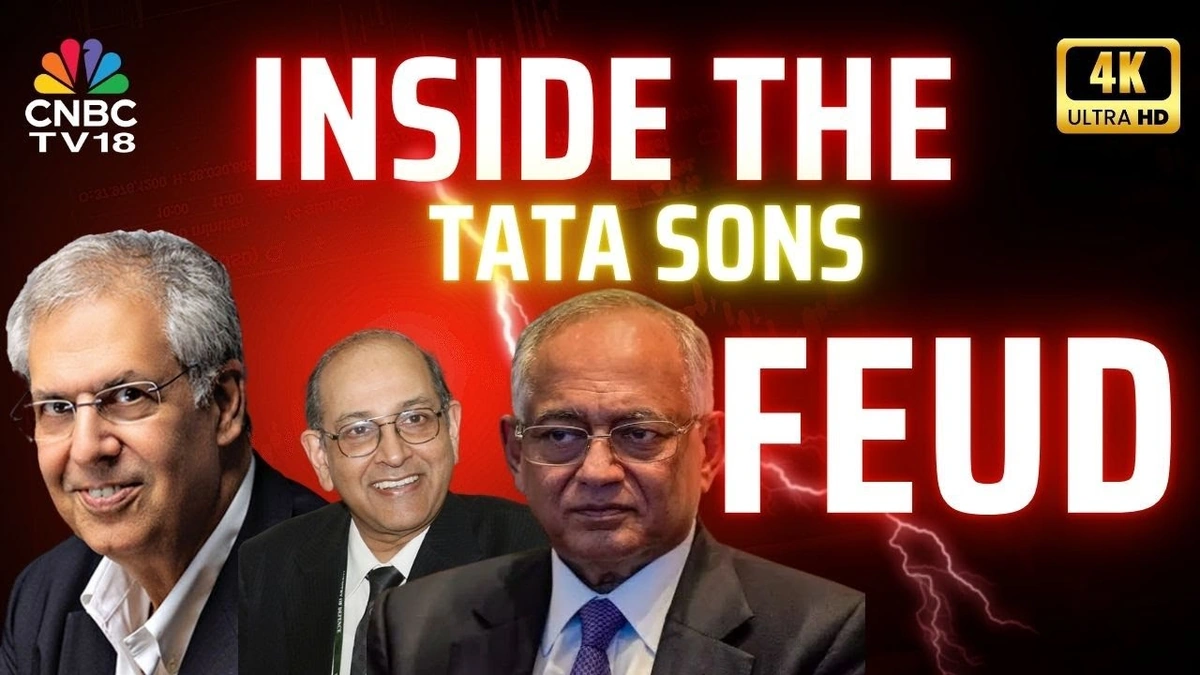
The relationship between the Tata Group and the Shapoorji Pallonji (SP) Group , led by the Mistry family, has been… complicated, to say the least. For decades, they were intertwined, with the Mistry family holding a significant stake in Tata Sons . However, boardroom battles and differing visions led to a very public and rather messy separation. The courtroom drama, the accusations, the counter-accusations it had all the makings of a corporate thriller. And now, years later, we arrive at this juncture: a potential listing.
But why would the Mistry company consider listing their stake? That’s the million-dollar question, isn’t it? Well, for starters, unlocking value. A public listing could provide the SP Group with much-needed liquidity. Think of it as converting a massive, illiquid asset into readily available capital. This capital could be reinvested into other ventures, used to pare down debt, or simply bolster the group’s financial position. It’s a strategic move, plain and simple. It is important to note that, as of November 2024, the SP Group ‘s stake in Tata Sons is a major financial asset, its potential value far exceeding other liquid assets. A listing is a financial instrument to unlock the dormant value.
And, let’s not forget the power dynamics at play here. A listed stake is far harder for Tata Sons to control. The SP Group have had a rocky experience as a large minority shareholder, so perhaps unlocking the value and exiting the stake is the best long term strategic move.
What Could a Tata Sons Listing Look Like?
Now, here’s where things get interesting. A listing of Tata Sons isn’t like listing your average company. We’re talking about a behemoth, a holding company with stakes in everything from steel and software to automobiles and airlines. Valuing such a complex entity is a Herculean task. What fascinates me is the sheer scale of the operation. How do you even begin to put a price tag on something so vast and multifaceted?
And the logistics! Imagine the regulatory hurdles, the due diligence, the roadshows. It would be a monumental undertaking, one that would keep investment bankers busy for years. But the potential rewards are equally immense. We’re talking about one of the largest IPOs in Indian history – a landmark event that would reshape the country’s capital markets.
A common mistake I see people make is thinking that listing is a straightforward process. It’s anything but. The value will be impacted by all sorts of factors. The value that the market puts on Tata Consultancy Services (TCS) , for example, has a massive impact. Then there are all the unlisted companies to value. It’s a job for specialist investment bankers and corporate lawyers.
The Potential Impact on Investors
Let’s say, hypothetically, that Tata Sons does go public. What does it mean for the average Indian investor? Well, for one, it would offer a rare opportunity to own a piece of one of India’s most respected conglomerates. Think of it as getting a slice of the Indian economic pie – a diversified portfolio all wrapped up in one convenient package.
But, as with any investment, there are risks involved. The value of Tata Sons would be subject to the whims of the market, influenced by factors both internal and external. A global economic slowdown, a change in government policy, a dip in the performance of key subsidiaries – all of these could impact the share price. It’s crucial to do your homework, understand the risks, and invest wisely. As per the guidelines mentioned in the information bulletin , potential investors should consult with a financial advisor before making any decisions. But there are no guarantees. Check out this article for related market news .
The Tata Sons Legacy and the Future
Ultimately, the potential listing of Tata Sons is more than just a financial transaction; it’s a story about legacy, evolution, and the ever-changing face of Indian business. It’s a reminder that even the most established empires are not immune to change, and that sometimes, the most dramatic transformations come from within.
What fascinates me is how this event might reshape the Indian business landscape in the years to come. Will it usher in a new era of transparency and accountability? Will it encourage other large conglomerates to consider similar moves? Only time will tell. But one thing is certain: the story of Tata Sons is far from over. And if the Mistry company does decide to go ahead with a listing, the next chapter promises to be a gripping one.
The Legal and Regulatory Aspects
The process of listing Tata Sons would involve navigating a complex web of legal and regulatory requirements. As per the latest circular on the official SEBI website , the company would need to comply with the Securities and Exchange Board of India (SEBI) regulations, undergo thorough audits, and disclose detailed information about its operations and financials. This process is designed to ensure transparency and protect the interests of potential investors.
Furthermore, the listing would likely trigger scrutiny from various regulatory bodies, including the Reserve Bank of India (RBI) and the Competition Commission of India (CCI). These agencies would assess the potential impact of the listing on the Indian economy and ensure that it does not violate any laws or regulations. It’s a bureaucratic maze, to be sure, but a necessary one to maintain the integrity of the financial markets.
Don’t underestimate the importance of these legal and regulatory aspects. They can make or break a deal, and they often involve lengthy negotiations and compromises. It’s a game of high stakes, played by lawyers, investment bankers, and regulators. And the outcome can have far-reaching consequences.
FAQ Section
Frequently Asked Questions
What exactly is Tata Sons?
Tata Sons is the principal investment holding company of the Tata Group , one of India’s largest conglomerates. It holds stakes in numerous companies, including Tata Steel, Tata Motors , Tata Consultancy Services (TCS) , and others.
Why is a potential listing significant?
A listing would unlock value for shareholders, provide liquidity, and potentially reshape India’s capital markets. It could also offer investors a rare opportunity to own a piece of a diversified portfolio of Indian businesses.
What are the risks involved in investing?
Like any investment, there are risks. Market fluctuations, economic downturns, and company-specific challenges could all impact the share price. Investors should do their homework and consult with financial advisors.
What is the Mistry family’s role in all of this?
The Mistry family, through the Shapoorji Pallonji (SP) Group , holds a significant stake in Tata Sons . A listing could allow them to monetize this stake and reinvest the capital elsewhere.
Where can I find the most up-to-date Tata Sons share price?
Since Tata Sons shares are not yet publicly traded, there is no stock ticker. Once the company does go public, the current share price will be available from major stock exchanges and financial news websites. But until then, we can only speculate!
How would a potential Tata Sons IPO affect the price of Tata Steel shares?
A potential Tata Sons IPO could indirectly affect the price of Tata Steel shares as valuations across all of the Tata Group of companies could be reassessed. However, this is speculative and the relationship is not direct.
So, there you have it. The Tata Sons saga, distilled. It’s a story of ambition, conflict, and the relentless pursuit of value. And while the future remains uncertain, one thing is clear: the next chapter is bound to be a fascinating one.
For even more expert business insights, be sure to read this related article . The potential listing of Tata Sons isn’t just about stocks and shares; it’s about legacy, power, and the future of one of India’s most iconic business empires.


