So, here’s the thing: You’re scrolling through your phone, catching up on messages, maybe planning a weekend trip with friends on WhatsApp . Life’s good, right? But what if suddenly, your access to these messaging apps – the ones you rely on every day – was cut off? Sounds a bit dystopian, doesn’t it? Well, that’s precisely what the Indian government is aiming to do, at least in principle.
The buzz is that the government is directing WhatsApp , Telegram, and similar platforms to restrict access for users without a valid SIM card. Now, before you panic and start hoarding SIM cards like they’re going out of style, let’s unpack this. Why is this happening? What does it really mean for you? And how might this all play out?
The “Why” | Curbing Unverified Accounts
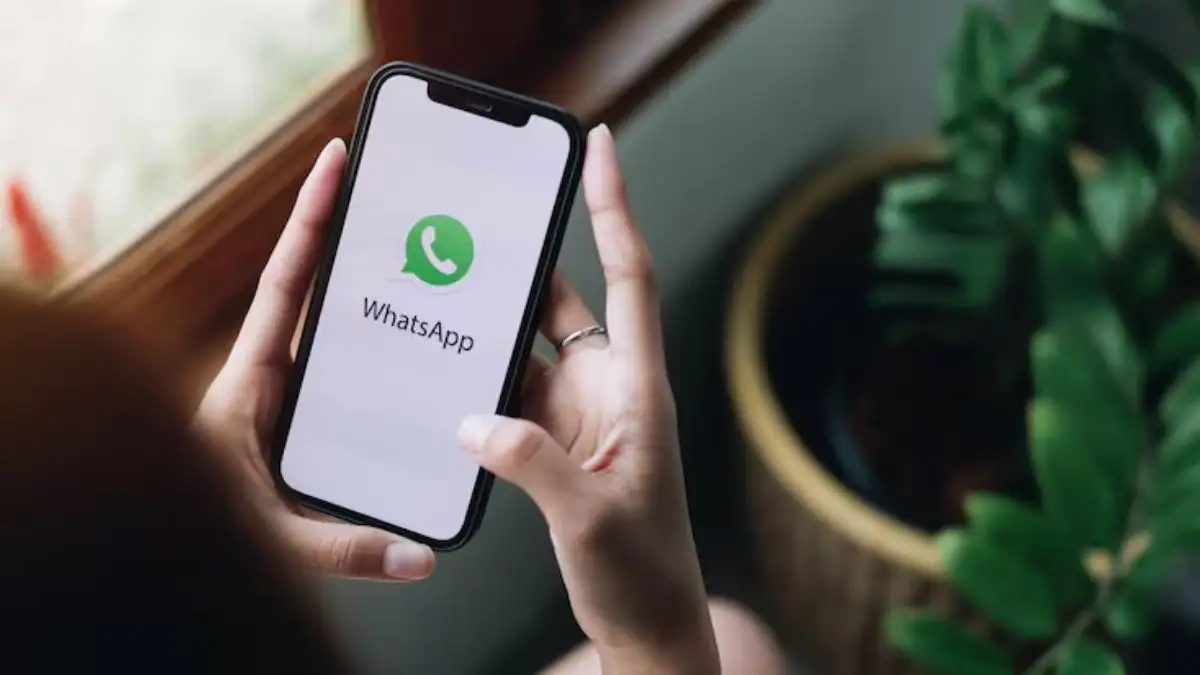
Let’s be honest – the internet can be a bit of a Wild West. Fake news, scams, and all sorts of nefarious activities thrive in the shadows of anonymity. The government’s move is aimed squarely at tackling this issue. The core idea is that by linking messaging app accounts to verified SIM cards, it becomes much harder for bad actors to create and operate fake accounts. Think of it as a digital identity check – a way to ensure that the person behind the screen is who they say they are.
But, and this is a big but, the implications are far-reaching. What about privacy? What about users who rely on these apps for legitimate purposes but may not have easy access to a SIM card? These are the questions we need to grapple with.
One of the primary reasons behind this directive is to combat the spread of misinformation and cybercrimes . With a valid SIM card requirement, tracing the origin of malicious content becomes easier, theoretically deterring individuals from engaging in unlawful activities online.
The Privacy Paradox | Security vs. Anonymity
What fascinates me is the inherent tension between security and anonymity. On one hand, we all want a safer online environment, free from harassment and fraud. On the other hand, anonymity can be a powerful tool for whistleblowers, activists, and individuals living under oppressive regimes. Striking the right balance is crucial.
It’s a complex issue, right? This move could significantly impact how millions of Indians use these platforms. Consider the potential disruption to businesses that rely on WhatsApp for customer service or the challenges faced by individuals in remote areas with limited access to SIM cards. The government needs to ensure that the implementation of this directive doesn’t inadvertently disenfranchise vulnerable populations.
The “How” | Potential Implementation and Alternatives
So, how might this actually work in practice? Well, that’s still a bit of a moving target. One possibility is that messaging apps will require users to verify their accounts using their SIM card details. This could involve sending an OTP (one-time password) to the registered mobile number. Another option could be integrating with existing KYC (Know Your Customer) processes used by telecom operators. The specifics are still under wraps, but it’s safe to say that some form of verification will be required.
Now, let’s talk about alternatives. What if you don’t have a SIM card or don’t want to link your account? The short answer is, you might be out of luck. However, there could be workarounds. For instance, some virtual number services might offer a way to verify your account. But be warned – these services often come with their own risks and may not be compliant with the new regulations.
Here’s where things get tricky. While the government’s intentions are noble – to create a safer digital ecosystem – the execution will be key. How do they ensure the privacy of user data during the verification process? What measures are in place to prevent data breaches? These are critical questions that need to be addressed transparently. The article rupee rbi impact provides further context on related governance issues.
Impact on Businesses and Daily Communication
Think about the local Kirana store owner who takes orders via WhatsApp , or the small business that uses Telegram for internal communications. These businesses now face the challenge of ensuring their customers and employees have valid SIM cards linked to their accounts. What impact will this have on their operations?
For many, these apps are the primary mode of communication. Restricting access could disrupt daily life. Consider migrant workers who rely on these apps to stay connected with their families back home, or students who use them for collaborative learning. A blanket restriction could have unintended consequences on these segments of the population.
Looking Ahead | A Call for Dialogue and Innovation
Let’s be clear – this is not just about WhatsApp and Telegram. It’s about the future of digital communication in India. It’s about balancing security with privacy, innovation with regulation. It’s a complex equation with no easy answers.
Going forward, it’s crucial to foster a dialogue between the government, tech companies, and civil society. We need to find innovative solutions that address the legitimate concerns around fake accounts and cybercrime, while also protecting the rights and freedoms of ordinary citizens. The key lies in creating a framework that is both effective and equitable.
The directive also underscores the need for greater digital literacy and awareness. Users need to be educated about online safety, data privacy, and responsible use of social media platforms . This requires a multi-pronged approach involving government initiatives, educational institutions, and community organizations. More information on educational programs can be found at Wikipedia’s Digital Literacy page . Access to affordable MBA programs in the UK for international students is also relevant. Click here to explore options.
So, where does this leave us? Well, it’s a bit of a wait-and-see situation. The details of the implementation are still being ironed out, and there’s likely to be plenty of debate and discussion in the coming weeks and months. But one thing is clear: the way we use messaging apps in India is about to change. And it’s up to all of us – government, tech companies, and citizens – to ensure that this change is for the better.
FAQ
Will this affect all WhatsApp users in India?
Potentially, yes. The directive aims to cover all users, but the exact scope and implementation are still being defined.
What if I don’t have a valid SIM card?
If the directive is strictly enforced, you may lose access to WhatsApp and similar apps. It’s best to acquire a valid SIM card to ensure uninterrupted service.
Is this a violation of my privacy?
That’s a valid concern. The government needs to ensure that user data is protected during the verification process and that privacy safeguards are in place.
How will the verification process work?
Details are still emerging, but it’s likely to involve verifying your account using your SIM card details, possibly through an OTP.
Are there any alternatives to WhatsApp that won’t be affected?
The directive is aimed at all similar messaging apps, so switching to another app might not solve the problem if they also comply with the regulation.
When will this new rule come into effect?
The timeline is not yet clear, but it’s likely to be implemented in phases. Keep an eye on official announcements for updates.