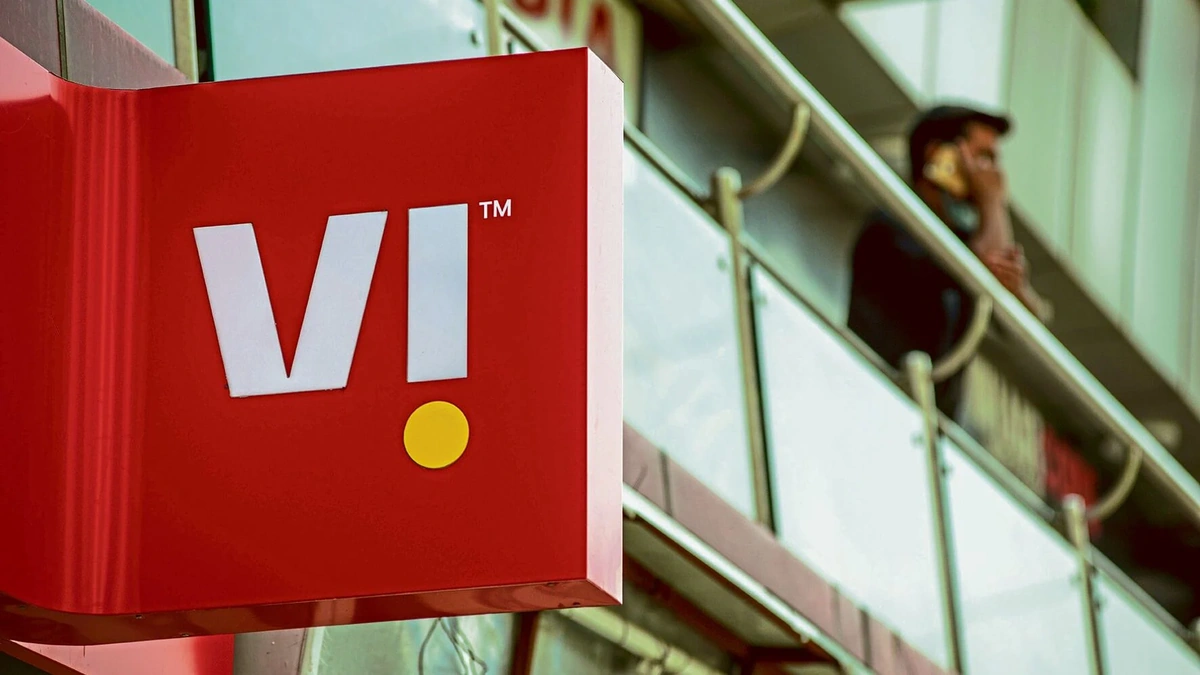
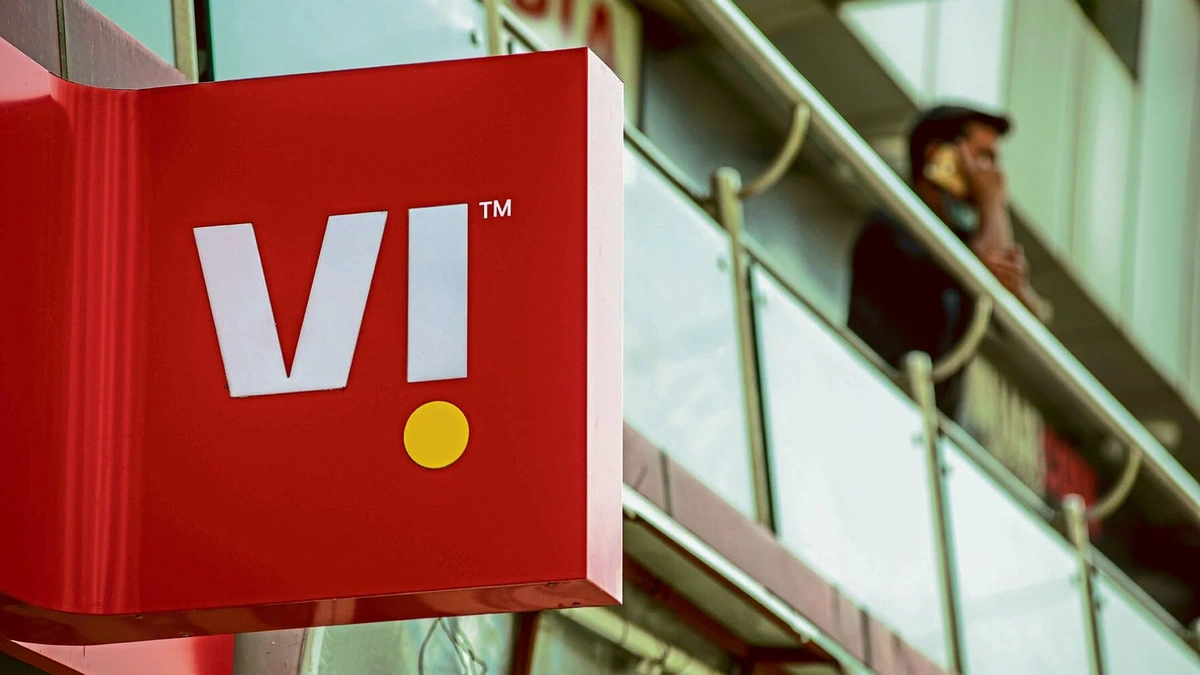
Ouch. That’s got to sting. If you’re holding Vodafone Idea shares right now, seeing that headline probably felt like a punch to the gut. An 11% drop is nothing to sneeze at. But before you panic sell (or, heck, maybe you’re thinking about buying the dip?), let’s break down why this happened and what it actually means for the future. I’m not just going to parrot the news; I’m going to give you the context you need to make sense of it all.
Because, let’s be honest, the stock market can feel like a rollercoaster designed by a committee of caffeinated monkeys. Volatility is part of the game but understanding the triggers is how you stay calm (or at least calmer) during the dips. So, let’s unpack this.
The Supreme Court’s Ruling | A Closer Look at AGR
The heart of the matter lies in the Supreme Court’s definition of Adjusted Gross Revenue (AGR). Now, I know what you’re thinking: “AGR? Seriously?” But stick with me. It’s crucial. AGR is basically how the government calculates the revenue telecom companies owe it. The narrower the definition, the less they owe. Simple, right? Not exactly. Over the years, there’s been a massive legal battle over what exactly should be included in AGR. Should it include revenue from things other than telecom services? That’s the multi-crore question.
The Supreme Court has now essentially limited what can be included in the AGR calculation. Here’s the thing: while a narrower definition sounds good for the telecom companies, the market interpreted it negatively for Vodafone Idea (Vi). Why? Because the company was banking on a more lenient (i.e., broader) interpretation that would have potentially reduced their overall dues. Let me rephrase that for clarity – they were hoping for a different outcome.
The market reaction tells us that investors weren’t thrilled. I initially thought this was a bit odd, but when you consider the fragile financial state of Vi, any negative news – even something that should be positive on the surface – can trigger a sell-off.
Why This Matters So Much for Vodafone Idea
Vodafone Idea’s financial health has been a major concern for quite some time. They’ve been struggling with debt, competition from Reliance Jio and Airtel, and the ever-present shadow of these AGR dues. Think of it like this: they’re trying to climb a mountain with a backpack full of rocks (that’s the debt), while two speed climbers (Jio and Airtel) are zipping past. The limited AGR definition is just one more rock in that already heavy backpack.
And, the amount of AGR dues for telecom operators is substantial, creating a huge strain on their resources. It’s worth keeping in mind that telecom is now effectively an essential utility – like electricity or water. That is, without stable telecom infrastructure, a lot of our modern world simply grinds to a halt. The impact goes way beyond just making phone calls!
What fascinates me is how the market anticipates these things. Even before the official ruling, there were whispers and rumors swirling around. Smart investors had already factored in the potential downside into their calculations. That’s how the stock market works, you see; it’s not just about what happened, but also about what was expected to happen.
The Road Ahead | Challenges and Opportunities
So, what’s next for Vi shares ? Well, the company needs to aggressively pursue fundraising options. They’ve been talking about it for a while, but now the pressure is really on. They also need to continue improving their network and services to retain and attract customers. Easier said than done, of course. A common mistake I see people make is underestimating the power of subscriber retention. Hanging on to existing customers is often far more cost-effective than acquiring new ones.
But, there’s a silver lining. The Indian telecom market is huge and growing. There’s plenty of room for multiple players. And, Vi has a loyal customer base. Plus, the government has been making noises about supporting the telecom sector. The government understands the importance of a healthy telecom industry, especially for achieving its digital India goals. The future of the stock market is closely related to the telecom industry’s development.
According to Wikipedia , the telecom industry is highly regulated and capital-intensive. As per the guidelines mentioned in various government releases, this is to ensure fair competition and protect consumer interests. But, that also means it needs support during tough times.
Will Vodafone Idea Survive? Key Factors to Watch
The million-dollar question, right? Here’s the thing: Vi’s survival isn’t just about this AGR ruling. It’s about a combination of factors:
- Fundraising success: Can they raise enough money to pay off debt and invest in their network?
- Competitive strategy: Can they differentiate themselves from Jio and Airtel?
- Government support: Will the government provide any further relief or assistance?
Ultimately, the answer depends on how well Vi can navigate these challenges. It’s not a sure thing by any means. But, it’s also not a lost cause. Let’s be honest; investing in Vi is a high-risk, high-reward proposition. You need to be prepared for volatility.
A common mistake I see people make is investing based on headlines alone. Do your own research. Understand the risks. And, only invest what you can afford to lose. The one thing you absolutely must double-check before investing is your risk tolerance. Are you comfortable with the possibility of losing money? If not, Vi probably isn’t the right stock for you. Recent changes in the job market and company stability can impact investor confidence in related stocks.
What Investors Should Do Now
Okay, so you’ve seen your Vodafone Idea share price take a hit. What should you actually do? Here’s some food for thought:
- Don’t panic: Emotional decisions are rarely good decisions, especially when it comes to investing.
- Reassess your risk tolerance: Is Vi still a good fit for your portfolio?
- Do your homework: Stay informed about the company’s progress and the overall telecom market.
- Consider seeking professional advice: A financial advisor can help you make informed decisions based on your individual circumstances.
I initially thought this was straightforward, but then I realized that there is no one-size-fits-all answer. Your next move depends on your personal financial situation and your investment goals.
FAQ Section
Frequently Asked Questions
What exactly is AGR and why does it matter?
Adjusted Gross Revenue (AGR) is the basis on which the government calculates the revenue telecom companies owe it. The definition has been disputed, and the SC’s limit impacts how much Vi owes.
Why did Vodafone Idea shares fall after the SC ruling?
The market interpreted the ruling negatively because Vi was hoping for a broader definition of AGR that would have reduced their dues more significantly.
Is Vodafone Idea going to go bankrupt?
It’s difficult to say definitively. Their survival depends on fundraising, competitive strategy, and government support. It’s a high-risk situation.
What should I do if I own Vodafone Idea shares?
Don’t panic. Reassess your risk tolerance, do your research, and consider seeking professional financial advice.
Where can I find reliable information about Vodafone Idea?
Check their official website, reputable financial news outlets, and consult with a financial advisor.
So, there you have it. The Vodafone Idea saga continues. It’s a complex situation with no easy answers. But by understanding the underlying dynamics, you can make more informed decisions. Remember, knowledge is power. And in the stock market, power is the ability to stay calm when everyone else is losing their heads.