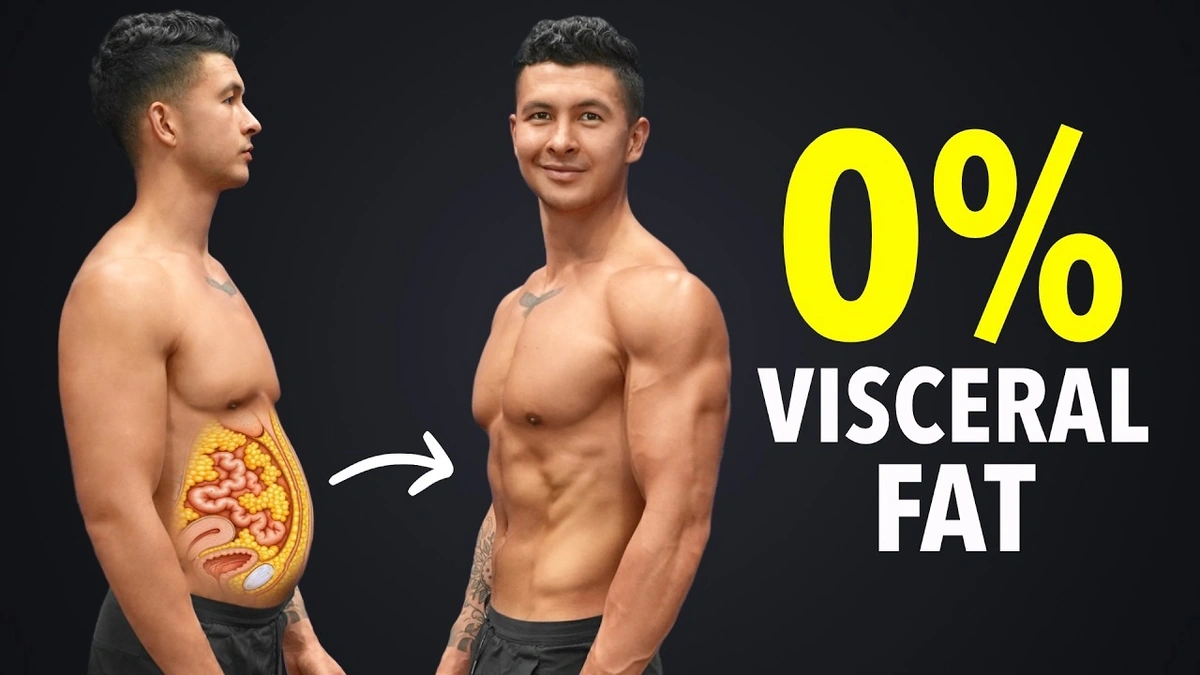
Let’s be honest, the phrase “visceral fat” doesn’t exactly roll off the tongue, does it? But what it represents – the dangerous fat lurking deep inside your abdomen, wrapping around your organs – is something we all need to understand, especially in India, where factors like genetics and diet can make us more susceptible. This isn’t about fitting into your old jeans; it’s about protecting your health from the inside out. I initially thought this was just another weight loss article, but then I realized it’s about something far more crucial: longevity and well-being.
Why Visceral Fat Matters: More Than Just Aesthetics
So, why is this type of fat so concerning? Unlike subcutaneous fat (the jiggly stuff you can pinch), visceral fat is metabolically active. It pumps out hormones and inflammatory substances that can wreak havoc on your system. Think increased risk of heart disease, type 2 diabetes, certain cancers, and even Alzheimer’s. And here’s the thing: you might not even look overweight and still have too much visceral fat accumulation. That’s the scary part, isn’t it?
In India, where we have a genetic predisposition to storing fat around the abdomen, this is even more critical. A study published in the Indian Journal of Medical Research highlighted this, showing a higher prevalence of central obesity even among individuals with a normal BMI. Let me rephrase that for clarity: you could be at a healthy weight and still be at risk.
The “How” of Visceral Fat Reduction: Practical Steps You Can Take
Okay, enough with the doom and gloom. What can you actually do about it? Here’s the good news: visceral fat loss is achievable with the right lifestyle changes. It’s not about quick fixes or fad diets; it’s about sustainable habits that you can incorporate into your daily life. I’ve seen people transform their health by focusing on these key areas:
Dietary Tweaks: It’s Not Just About Calories
A common mistake I see people make is focusing solely on calorie counting. While that’s important, the type of calories you consume matters even more. Here’s what I recommend:
- Prioritize Whole Foods: Think fruits, vegetables, whole grains, and lean protein. Minimize processed foods, sugary drinks, and refined carbs (like white bread and pasta).
- Embrace Healthy Fats: Don’t be afraid of fats! Include sources like avocados, nuts, seeds, and olive oil. These fats help regulate blood sugar and reduce inflammation.
- Spice It Up: Incorporate spices like turmeric, ginger, and cinnamon into your diet. These have anti-inflammatory properties and can aid in fat metabolism.
- Portion Control: This is HUGE. Even healthy foods can contribute to weight gain if you eat too much. Use smaller plates and be mindful of your hunger cues.
Exercise: More Than Just Cardio
While cardio is beneficial, it’s not the only answer. A combination of cardio and strength training is the most effective approach for reducing abdominal fat. Here’s why:
- Cardio: Aim for at least 30 minutes of moderate-intensity exercise most days of the week. Brisk walking, jogging, swimming, or cycling are all great options.
- Strength Training: Lift weights or use resistance bands 2-3 times per week. Building muscle helps boost your metabolism and burn more calories, even when you’re at rest.
- HIIT (High-Intensity Interval Training): This is a time-efficient way to burn calories and improve your cardiovascular health. Alternate between short bursts of intense exercise and brief recovery periods.
Stress Management: The Silent Killer
Chronic stress can lead to increased cortisol levels, which, in turn, can promote visceral fat storage. Trust me; I know this from experience! Find healthy ways to manage your stress, such as:
- Yoga and Meditation: These practices can help calm your mind and reduce cortisol levels.
- Spending Time in Nature: Even a short walk in the park can do wonders for your stress levels.
- Connecting with Loved Ones: Social support is crucial for managing stress. Talk to your friends and family about what you’re going through.
- Prioritizing Sleep: Aim for 7-8 hours of quality sleep per night. Lack of sleep can disrupt your hormones and increase stress.
Tracking Your Progress: How to Know If It’s Working
It’s easy to get discouraged if you don’t see results immediately. But remember, visceral fat loss is a journey, not a destination. Here are a few ways to track your progress:
- Waist Circumference: Measure your waist circumference regularly. A reduction in waist size is a good indicator that you’re losing visceral fat.
- Body Composition Analysis: This test can measure your body fat percentage and muscle mass. Many gyms and wellness centers offer this service.
- Blood Tests: Your doctor can order blood tests to check your cholesterol levels, blood sugar, and other markers of metabolic health. Improvement in these areas is a sign that you’re on the right track.
- How You Feel: Pay attention to how you feel! Do you have more energy? Are you sleeping better? Are you less stressed? These are all signs that you’re improving your health, even if the scale doesn’t budge right away.
While sources suggest a specific time, the official confirmation is still pending. It’s best to keep checking the official portal. A common mistake I see people make is not staying consistent, which could effect the process of visceral fat reduction .
FAQ: Your Visceral Fat Questions Answered
How quickly can I expect to see results?
It varies, but expect noticeable changes in 2-3 months with consistent effort.
What if I can’t exercise due to a medical condition?
Consult your doctor for safe and effective alternatives. Even gentle activities like walking can help.
Is it possible to lose visceral fat without losing weight?
Yes! Focusing on healthy habits can reduce visceral fat even if your overall weight stays the same.
What kind of cardio is best for visceral fat loss?
Any type of cardio you enjoy and can do consistently is the best!
What about supplements? Can they help?
Some supplements may have potential benefits, but it’s best to focus on diet and exercise first.
Are there specific foods I should avoid completely?
Minimize processed foods, sugary drinks, and excessive amounts of saturated and trans fats.
The Bottom Line: It’s About Long-Term Health, Not Just a Number on the Scale
Visceral fat reduction isn’t about achieving a perfect body; it’s about investing in your long-term health and well-being. It’s about having the energy to play with your kids, the strength to pursue your passions, and the vitality to live a full and meaningful life. According to the latest circular on the official NTA website ( google.com ). So, start making small, sustainable changes today, and you’ll be amazed at how much better you feel, both inside and out.
What fascinates me is how interconnected everything is. Diet, exercise, stress, sleep – they all play a role in your visceral fat levels. Addressing one area can have a ripple effect on the others. It’s a holistic approach that’s needed.