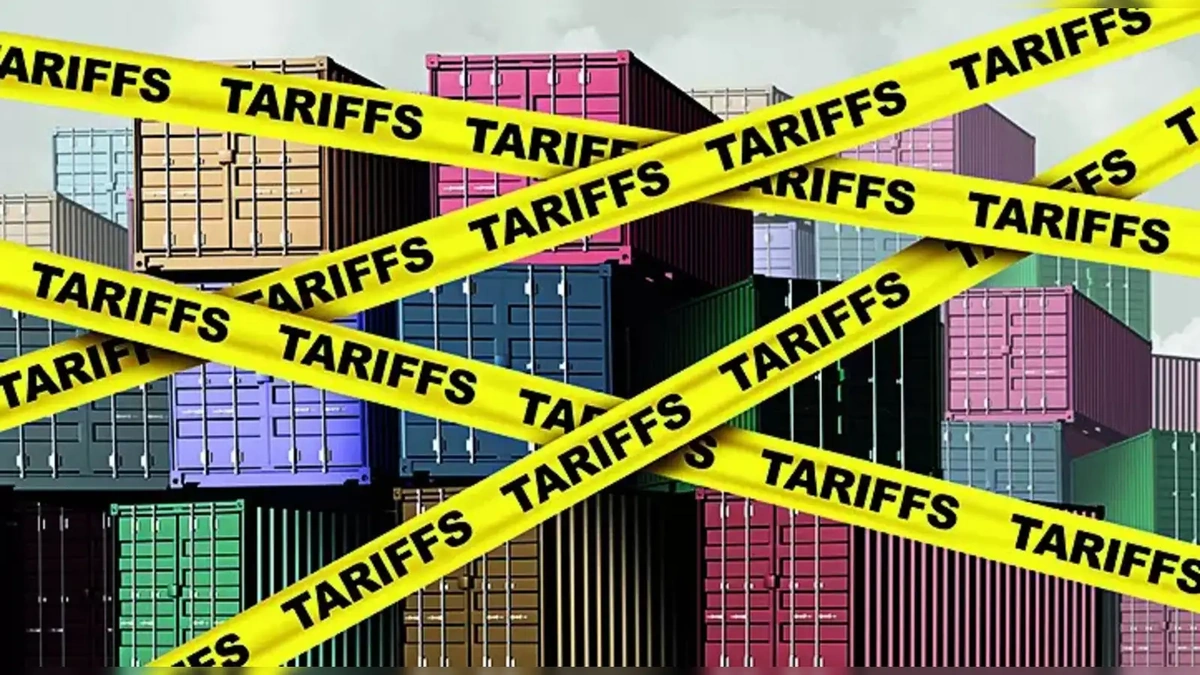
Here’s the thing: trade wars are like those dramatic Bollywood showdowns – everyone postures, threats are thrown around, but nobody really wants to throw the first punch. Or do they? When tariffs are involved, things get complicated, and when someone like Donald Trump is in the mix, expect the unexpected. The recent news about potential new tariffs on China, coupled with the suggestion of a canceled meeting with Xi Jinping, has sent ripples through global markets. But let’s be honest – what does this really mean for you, sitting here in India? I’ve seen this play out before, so let me break it down.
The “Why” Behind the Threat | More Than Just Trade

So, why this sudden escalation? It’s not just about trade deficits, though that’s the surface-level explanation. This is about power, influence, and technological dominance. China’s rapid rise has challenged the established world order, and the US, under Trump, has been pushing back hard. Trade tariffs are simply one weapon in a larger arsenal. But – and this is crucial – the threat itself is often more potent than the actual implementation. Think of it as a high-stakes poker game. The goal isn’t necessarily to call the bluff, but to make your opponent fold.
What fascinates me is the timing. Is this a genuine escalation, or a negotiating tactic? Are tariff increases being used to get China back to the table, or is there a serious risk of a full-blown trade war? It’s hard to know for sure, and frankly, that uncertainty is part of the strategy.
How Tariffs Impact India | Not as Distant as You Think
You might be thinking, “This is happening between the US and China, what’s it got to do with me?” Well, everything is interconnected. A trade war between the world’s two largest economies has global repercussions. Here’s the thing :
- Supply Chain Disruption: Many Indian businesses are integrated into global supply chains. Increased tariffs can disrupt these chains, leading to higher costs and delays.
- Currency Fluctuations: Trade tensions often lead to volatility in currency markets. The Indian Rupee could weaken against the US Dollar, making imports more expensive.
- Opportunity for Indian Exporters: On the flip side, a trade war could create opportunities for Indian exporters to fill the void left by Chinese goods in the US market, or vice-versa. Sectors like textiles, pharmaceuticals, and IT services could benefit.
So, it’s not all doom and gloom. But Indian businesses need to be agile and adaptable to navigate these uncertain times. Monitoring these announcements of trade agreements is essential.
Decoding the Xi Meeting Cancellation Hint
The hint of a canceled meeting between Trump and Xi is particularly significant. These meetings are crucial for de-escalating tensions and finding common ground. Canceling one sends a strong signal that the US is not willing to compromise. However, let me rephrase that for clarity: it could also be a pressure tactic. By threatening to pull out of talks, Trump might be trying to force China to make concessions.
What this really boils down to is this: India needs to watch closely. This is not just a US-China issue; it’s a global issue with potentially significant consequences for the Indian economy. And, looking at other areas, remember to stay updated with the latest news .
The Indian Rupee and Trade Wars
So, how does all this impact the Indian Rupee ? Here’s what I’ve observed. Trade wars typically create uncertainty, and uncertainty hates currency markets. When investors get nervous, they often flock to safe-haven currencies like the US dollar. This increased demand for dollars can put downward pressure on the Rupee. Moreover, if Indian businesses rely on importing goods priced in dollars, a weaker Rupee can make those imports more expensive, potentially fueling inflation. The Reserve Bank of India (RBI) often intervenes to manage volatility, but their toolkit is limited. A protracted trade war could test the RBI’s resolve and potentially lead to interest rate hikes to defend the currency. For the average Indian, this could mean higher loan costs and a squeeze on spending power. Monitoring currency fluctuations and their impact on your investments and expenses becomes crucial during such times.
Navigating the Uncertainty | A Checklist for Indian Businesses
For Indian businesses, this is a time to be proactive. Here’s a simple checklist:
- Diversify Your Markets: Don’t rely too heavily on exports to the US or China. Explore new markets in Southeast Asia, Africa, and Latin America.
- Hedge Your Currency Risk: Use financial instruments to protect against currency fluctuations.
- Strengthen Your Supply Chains: Identify potential vulnerabilities in your supply chains and develop contingency plans.
- Stay Informed: Keep abreast of the latest developments in the trade war and their potential impact on your business. As per the guidelines mentioned by multiple economists.
FAQ Section
Frequently Asked Questions
What exactly are tariffs?
Tariffs are taxes imposed on imported goods. They make imported products more expensive, encouraging consumers to buy domestically produced goods.
How could a US-China trade war affect the Indian stock market?
Global uncertainty tends to spook investors, potentially leading to increased volatility in the Indian stock market. Foreign portfolio investors might pull out their investments, further depressing the market.
Are there any sectors in India that could benefit from this situation?
Yes, sectors like textiles, pharmaceuticals, and IT services could see increased demand as companies look for alternatives to Chinese or American suppliers.
What if the meeting between Trump and Xi gets cancelled?
A cancellation would likely escalate tensions, leading to further tariffs and increased uncertainty in global markets. It would signal a breakdown in communication and a hardening of positions.
How can small businesses in India prepare for a potential trade war?
Small businesses should focus on diversifying their markets, hedging currency risks, and strengthening their supply chains. Staying informed and seeking expert advice is also crucial.
So, the next time you hear about tariffs, remember it’s not just some dry economic policy. It’s a power play, a gamble, and something that can ripple through your life in ways you might not expect. The key is to stay informed, be adaptable, and see the opportunities that might arise amidst the chaos.