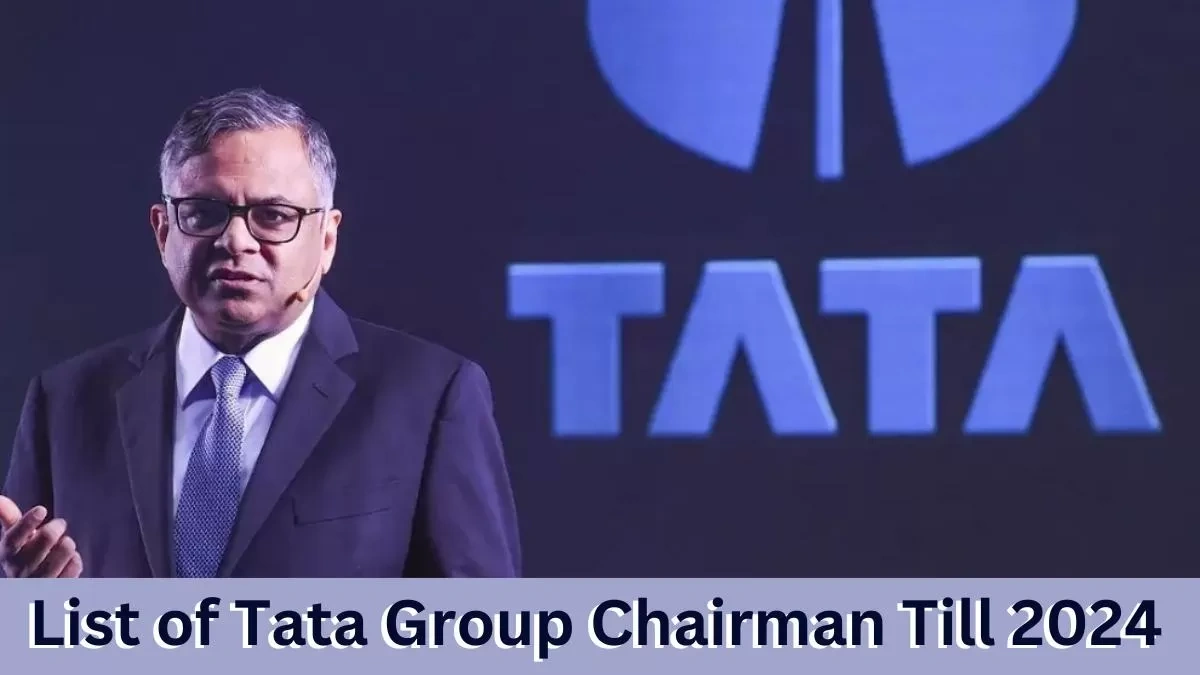
N Chandrasekaran’s reappointment as Tata Group Chairman for another five years isn’t just news; it’s a statement. It’s Tata signaling stability, vision, and a continued commitment to the ambitious trajectory they’ve been on. But here’s the thing: it’s also a fascinating case study in succession planning – or perhaps, a strategic pause in it. Let’s unpack why this matters, not just for Tata employees and shareholders, but for anyone interested in Indian business, leadership, and the future of corporate governance.
The ‘Why’ Behind the Reappointment | More Than Meets the Eye
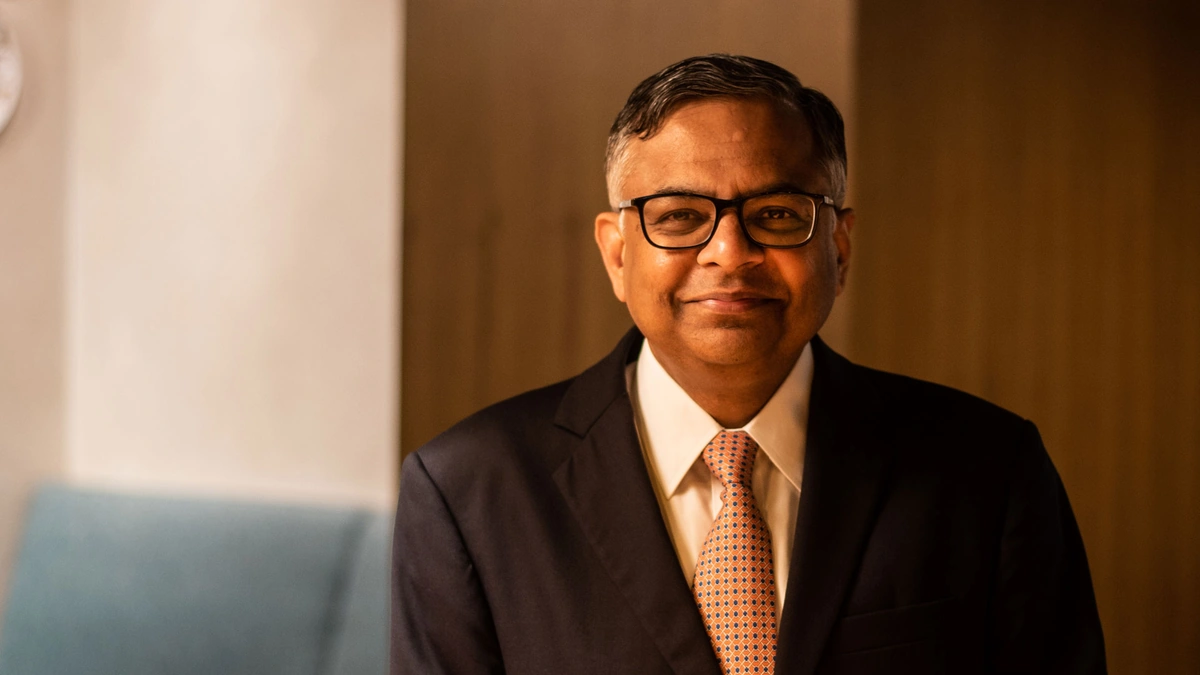
Often, news like this is presented at face value: a leader is doing a good job, so they get to continue. And certainly, under Chandrasekaran’s leadership, Tata has seen significant growth and navigated considerable challenges, including the pandemic. But there’s more to it. Consider the current global economic climate. Global economic uncertainty makes stability at the helm crucial. Tata, with its diverse portfolio spanning everything from steel to software, requires a steady hand to navigate these choppy waters.
But, let’s be honest, continuity isn’t just about avoiding risk. It’s also about capitalizing on momentum. Chandrasekaran has spearheaded major strategic initiatives, including significant investments in technology and renewable energy. Giving him another term ensures these initiatives have the time and resources to fully mature. Think of it as giving a master chef more time to perfect their signature dish. A new chef might bring fresh ideas, but they might also disrupt the delicate balance of flavors already in play. And that’s something Tata can’t afford right now. The Tata Group also has a strong focus on sustainability , and Chandrasekaran has been instrumental in driving these initiatives.
Decoding the ‘Retirement Age Not a Factor’ Clause
The specific mention that retirement age wasn’t a factor is telling. Typically, corporate boards are very sensitive to age limits. The fact that they’ve explicitly stated it signals that Chandrasekaran’s experience and capabilities are deemed far more valuable than any concerns about age-related performance decline. It also sends a message about Tata’s values, prioritizing merit and contribution above all else. In a country often obsessed with age and seniority, this is a refreshing perspective. I see a common mistake when people underestimate the importance of experience, and here Tata clearly values it immensely.
Furthermore, it highlights the complexity of finding a suitable successor. Identifying someone capable of leading a conglomerate as vast and diverse as Tata is no easy feat. It requires a unique blend of strategic vision, operational expertise, and political acumen. Perhaps the board hasn’t yet identified a candidate who ticks all the boxes, or perhaps they want to give potential successors more time to develop under Chandrasekaran’s mentorship. Whatever the reason, the ‘retirement age’ clause is a clear indicator that Tata is playing the long game. Succession planning at Tata Sons board is a complex and ongoing process.
The Impact on Tata’s Future Strategy
So, what does this reappointment mean for Tata’s future strategy? Expect a continued focus on digital transformation and expanding its global footprint. Chandrasekaran has been a strong advocate for leveraging technology to drive efficiency and innovation across the group. This could mean further investments in areas like artificial intelligence, cloud computing, and e-commerce . But, Tata’s investment in advanced technologies remains a key strategic priority.
And, of course, we can anticipate a continued emphasis on sustainability. Tata has made ambitious commitments to reducing its carbon footprint and investing in renewable energy. Chandrasekaran’s leadership will be crucial in ensuring these commitments are met. This isn’t just about corporate social responsibility; it’s about future-proofing the business in a world increasingly concerned about climate change. The Tata Group has also seen a significant revenue growth in recent years, and Chandrasekaran’s leadership has been instrumental in this success.
The Ripple Effect on Indian Business
Tata’s decisions have a ripple effect on the entire Indian business landscape. As one of the country’s largest and most respected conglomerates, its leadership choices are closely watched by other companies. Chandrasekaran’s reappointment sends a signal that stability, experience, and a long-term vision are valued above all else. It might encourage other companies to rethink their own succession planning strategies and prioritize continuity over radical change.
And it reinforces the importance of ethical leadership. Tata has a long-standing reputation for integrity and social responsibility, and Chandrasekaran has upheld these values throughout his tenure. In a world where corporate scandals are all too common, this is a valuable reminder that business can be done ethically and successfully. This also highlights the significance of responsible corporate governance in India’s business environment.
FAQ About N Chandrasekaran’s Reappointment
What was the reason for N Chandrasekaran’s reappointment?
His reappointment reflects the Tata Group’s desire for stability and continued progress under his leadership, given his successful track record.
Was retirement age really not a factor in the decision?
Yes, the board explicitly stated that retirement age was not a consideration, emphasizing his experience and capabilities.
How long is N Chandrasekaran’s new term as Chairman?
His new term is for another five years.
What are some of the key strategic initiatives he’s expected to focus on?
Expect continued emphasis on digital transformation, expanding the global footprint, and sustainability initiatives.
Where can I find official information about the Tata Group’s leadership?
The official Tata Group website is the best source for official announcements and information.
How does this reappointment impact the Indian business landscape?
It reinforces the importance of stability, ethical leadership, and long-term vision in Indian business.
In conclusion, N Chandrasekaran’s reappointment as Tata Group Chairman is more than just a routine corporate announcement. It’s a strategic decision that reflects Tata’s values, priorities, and ambitions for the future. It’s a vote of confidence in his leadership and a signal that Tata is committed to playing the long game. And, perhaps most importantly, it’s a reminder that in a world of constant change, stability and experience can be invaluable assets. Tata’s leadership succession planning is a model for other Indian conglomerates. The decision certainly showcases the value that the Tata Sons board places on experienced leadership. You can check more details about Tata’s success story here: Royal Enfield Classic 350 .