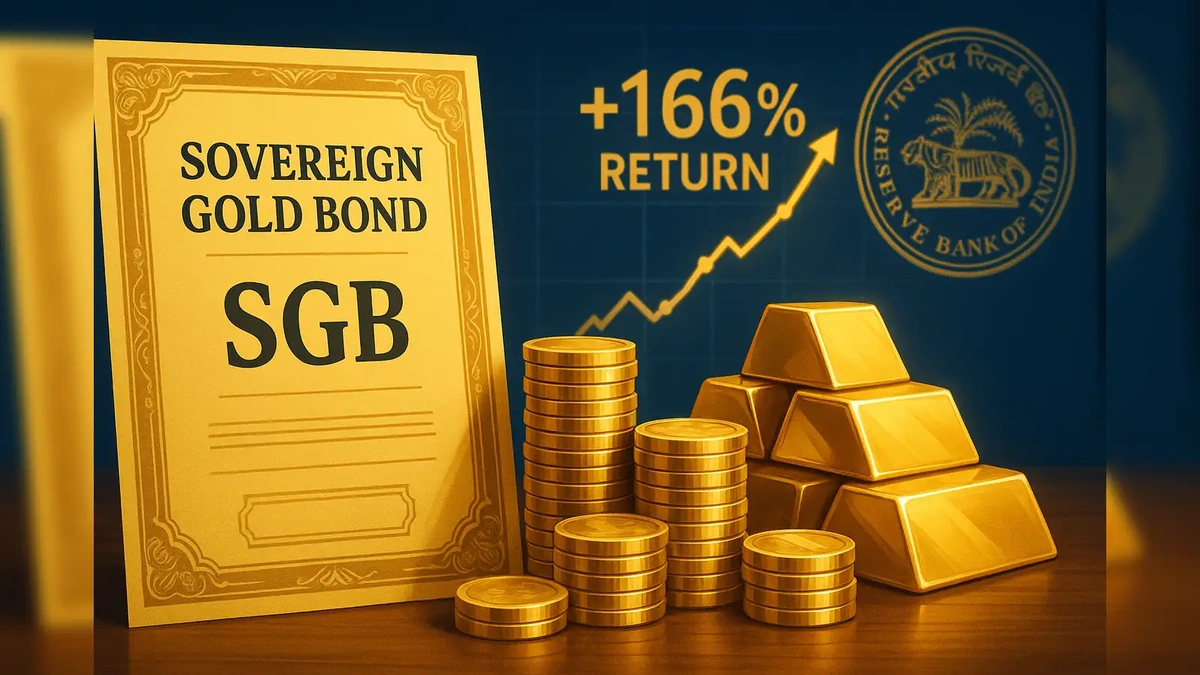
So, the RBI has spoken! The redemption price for the Sovereign Gold Bond (SGB) 2020-21 Series I has been set at ₹12,198. What does this really mean for you, though? Let’s be honest, numbers can be dry, but this one’s worth understanding, especially if you’re among the many Indians who’ve embraced gold as a key part of their investment strategy. Forget just reading the headline – let’s dive into the “why” behind this announcement and what it signals for your gold holdings.
Decoding the Sovereign Gold Bond Redemption
First, a quick refresher. Sovereign Gold Bonds are government-backed securities denominated in gold. They offer a safe and convenient alternative to holding physical gold. When you invest, you’re essentially lending money to the government, which they promise to repay, plus interest, when the bond matures. The brilliance? Your investment is linked to the price of gold, so it can potentially provide returns similar to investing in gold bars, but without the hassles of storage or purity concerns. Let me rephrase that for clarity – you get the upside of gold price appreciation without the headache of actually owning the physical stuff. As per the RBI guidelines , these bonds have a fixed tenure, and premature redemption is only allowed under specific circumstances.
Now, about this redemption price. The RBI calculates it based on the simple average of the closing price of gold (999 purity) for the last three business days of the maturity week, as certified by the India Bullion and Jewellers Association Ltd (IBJA). This ensures transparency and fairness, linking the redemption value directly to prevailing market rates.
Why This Matters to You | Beyond the Redemption Price
Okay, so the redemption price is fixed. Big deal, right? Wrong! Here’s why it matters:
- It Validates Your Investment: Seeing a healthy redemption price confirms that your decision to invest in Sovereign Gold Bonds paid off. It provides a tangible return on your investment, especially if the redemption price is significantly higher than your initial purchase price. And, remember, you’ve also been earning interest all along – a double win!
- It Reflects Market Conditions: The redemption price acts as a barometer of the overall economic climate and investor sentiment towards gold. Rising gold prices often indicate economic uncertainty, while stable prices might suggest a more optimistic outlook. Keeping an eye on these trends can help you make informed decisions about your broader investment portfolio.
- It Provides Liquidity (Eventually): While SGBs aren’t as liquid as stocks or mutual funds, the redemption option offers a way to cash out your gold investment at a pre-determined price. This is particularly useful if you need funds for a specific purpose or want to rebalance your portfolio. But remember, these bonds have a fixed tenure, and premature redemption is generally discouraged.
But, there’s more! One thing you absolutely must keep in mind is the tax implications. The interest earned on SGBs is taxable as per your income tax slab. However, the capital gains made on redemption are exempt for individual investors if the bond is held till maturity. This is a significant advantage over physical gold, where capital gains are taxable regardless of the holding period.
Gold Investment Strategies | Beyond Sovereign Gold Bonds
The RBI gold bond scheme is just one avenue for investing in gold. Let’s briefly explore other options:
- Physical Gold: The traditional choice – buying gold coins, bars, or jewelry. While it offers a sense of ownership, it comes with storage costs, security risks, and potential purity issues.
- Gold ETFs: Exchange-Traded Funds that track the price of gold. They offer a convenient and liquid way to invest, but involve expense ratios and brokerage charges.
- Gold Mutual Funds: Funds that invest in companies involved in gold mining or refining. These offer diversification but are subject to market risks and the performance of the underlying companies.
A common mistake I see people make is putting all their eggs in one basket. Diversifying your investment portfolio across different asset classes, including gold, is a prudent approach to mitigate risk and maximize returns. Consider allocating a portion of your investments to gold investment options based on your risk appetite and financial goals. Link 1
Here’s the thing: the beauty of SGBs lies in their safety, convenience, and tax efficiency. But, it’s essential to weigh the pros and cons of each option before making a decision. What fascinates me is how different investment avenues cater to different risk profiles and investment horizons.
Factors Influencing Gold Prices | A Quick Overview
Gold prices are influenced by a complex interplay of factors. Understanding these can help you anticipate market movements and make informed investment decisions:
- Global Economic Uncertainty: Gold is often considered a safe-haven asset during times of economic turmoil. When stock markets crash or geopolitical tensions rise, investors flock to gold, driving up its price.
- Inflation: Gold is often seen as a hedge against inflation. As the purchasing power of currency erodes, gold tends to retain its value.
- Interest Rates: Rising interest rates can make gold less attractive, as investors seek higher returns from interest-bearing assets. Conversely, falling interest rates can boost gold prices.
- Currency Movements: Fluctuations in currency exchange rates can also impact gold prices. A weaker rupee, for instance, can make gold more expensive for Indian investors.
Gold as an investment is affected by economic factors, so it’s important to understand these concepts.
I initially thought this was straightforward, but then I realized that these factors are interconnected and can often move in unexpected ways. It’s best to stay informed and consult with a financial advisor before making any investment decisions. Keep abreast of Sovereign Gold Bond (SGB) 2020-21 Series I and how it effects the market. As per the guidelines mentioned in the information bulletin, investment strategies are useful for knowing where to allocate funds.
Final Thoughts | Is the Sovereign Gold Bond Right for You?
Ultimately, the decision to invest in Sovereign Gold Bonds depends on your individual circumstances and investment goals. If you’re looking for a safe, convenient, and tax-efficient way to invest in gold, SGBs are definitely worth considering.
However, remember to diversify your portfolio and consider other investment options based on your risk appetite and financial goals. Don’t just chase the headlines – do your homework and make informed decisions. What’s clear is that the RBI’s redemption price announcement isn’t just a number; it’s a signpost pointing towards broader economic trends and the enduring allure of gold as a valuable asset. Link 2
FAQ
Frequently Asked Questions
What happens if I need to redeem my SGB before maturity?
Premature redemption is allowed on the secondary market (stock exchanges) after a lock-in period of 5 years. However, liquidity may be limited, and you may not get the best price.
Are there any charges associated with investing in SGBs?
There are no brokerage fees or commissions for investing in SGBs through primary issuance. However, if you buy or sell SGBs on the secondary market, brokerage charges may apply.
How can I track the performance of my SGB investment?
You can track the performance of your SGB investment by monitoring gold prices and keeping an eye on RBI announcements regarding interest rates and redemption prices.
What are the risks associated with investing in SGBs?
The primary risk is the fluctuation of gold prices. If gold prices fall below your purchase price, you may incur a loss. However, you’ll still receive interest payments throughout the tenure.
Are SGBs a good investment for long-term financial planning?
Yes, SGBs can be a good investment for long-term financial planning, especially if you have a long-term investment horizon and are looking for a safe and stable investment option.