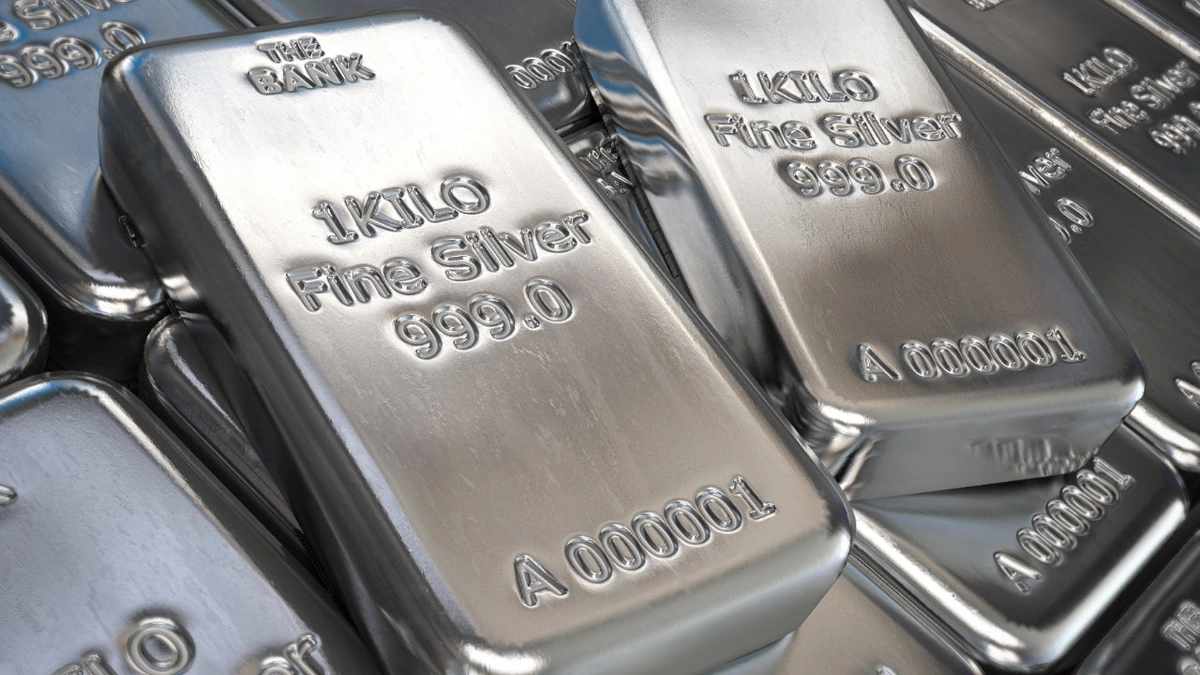
So, silver is making headlines again. Not just because of its usual dance with industrial demand, but because of a bigger shift – a global asset allocation shift, according to Vikram Dhawan at Nippon India Mutual Fund. What’s fascinating, though, isn’t just that it’s happening, but why . And more importantly, what does it mean for you, sitting here in India, thinking about your investments?
Let’s be honest, the world of finance can feel like a secret club sometimes. Full of jargon and hidden meanings. But here’s the thing: understanding the why behind these shifts can give you a serious edge.
Why Global Asset Allocation Matters for Your Silver
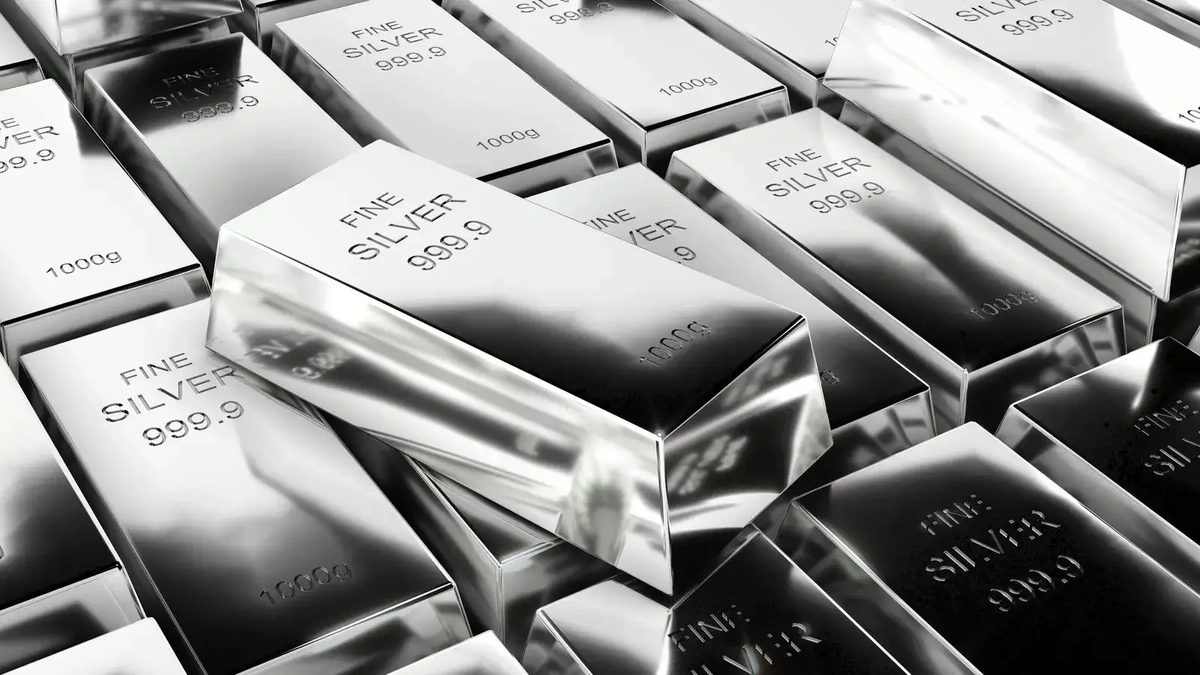
Okay, so what exactly is this “global asset allocation shift”? It basically means big investors – think pension funds, sovereign wealth funds, and large institutions – are changing the way they spread their money around the world. And when they decide to put more money into precious metals like silver , it creates a ripple effect. But, why silver ?
Several factors are at play. Firstly, there’s the whole inflation hedge argument. You’ve probably heard it before: when inflation rises, silver tends to hold its value (or even increase). That’s because, unlike paper money, its supply is limited. Secondly, silver has significant industrial uses. It’s a key component in electronics, solar panels, and medical equipment. As the global economy grows (despite the bumps), demand for silver from these industries is only set to rise. Thirdly, and this is crucial, silver is often seen as a more affordable alternative to gold. When gold prices soar, investors often turn to silver as a way to get exposure to the precious metals market without breaking the bank.
I initially thought this was a straightforward supply-and-demand story, but then I realized something deeper: this shift signals a broader unease about the global economic outlook. Big investors aren’t just chasing returns; they’re looking for safe havens. And silver , with its dual role as a store of value and an industrial metal, fits the bill perfectly.
How This Shift Impacts Silver Prices in India
Here’s where it gets interesting for us in India. A global surge in silver demand inevitably pushes up prices here as well. But it’s not a one-to-one relationship. Several local factors can influence the price of silver in India.
For instance, the strength of the Indian rupee plays a crucial role. A weaker rupee makes silver imports more expensive, further boosting prices. Government policies, such as import duties and taxes, also have a direct impact. And, of course, local demand for silver jewelry and silverware is a significant driver. India has a deeply rooted cultural affinity for silver , particularly during festivals and weddings. This consistent demand provides a solid base for silver prices, regardless of global fluctuations. A common mistake I see people make is to only focus on global cues, ignoring the potent domestic demand for silver .
What to Do with This Information
Okay, so you know silver prices are rising due to a global asset allocation shift. But what should you do with this information? Should you rush out and buy as much silver as you can?
Well, not necessarily. Investing is always a personal decision, and it depends on your individual circumstances, risk tolerance, and investment goals. Let me rephrase that for clarity. The key is to understand that silver , like any investment, comes with risks. Its price can be volatile, and it’s not immune to market corrections. According to this Investopedia article, diversification can help to hedge the risk.
However, if you’re looking for a way to diversify your portfolio and potentially hedge against inflation, silver could be worth considering. There are several ways to invest in silver in India. You can buy physical silver (bars, coins, or jewelry), invest in silver exchange-traded funds (ETFs), or even consider silver mining stocks. Each option has its pros and cons, so do your research before making a decision.
The Long-Term Outlook for Silver
What fascinates me is the long-term potential of silver . While short-term price fluctuations are inevitable, the long-term outlook for silver remains positive. The demand from industrial applications is only going to increase as the world transitions to a greener economy. Silver is essential for solar panels, electric vehicles, and other clean energy technologies. And with growing concerns about climate change, the demand for these technologies is set to skyrocket. This makes silver a potentially attractive investment for the long haul.
But, remember, the future is never certain. Unexpected events, such as economic recessions or technological breakthroughs, could disrupt the silver market. That’s why it’s crucial to stay informed, keep a close eye on market trends, and adjust your investment strategy as needed. Don’t put all of your eggs in one basket and be prepared for volatility.
The Indian Rupee Impact on Silver Prices
So, we’ve talked about global asset allocation shifts and the industrial demand for silver . But there’s another key factor that significantly impacts silver prices in India: the Indian Rupee (INR). The relationship between the INR and silver prices is an inverse one. When the Rupee weakens against the US dollar, silver prices in India tend to rise, and vice versa. This is because silver is primarily traded in US dollars. So, when the Rupee depreciates, it becomes more expensive for Indian buyers to purchase silver , leading to higher prices in the local market.
This currency dynamic adds another layer of complexity to investing in silver in India. It’s not just about global demand and supply; it’s also about the strength of the Indian economy and the policies of the Reserve Bank of India (RBI). A savvy investor needs to keep a close watch on both global and domestic factors to make informed decisions. If you’re looking to understand more about financial markets, checking these guides could be helpful.
FAQ
Will silver prices continue to rise?
It’s impossible to predict the future with certainty, but the long-term outlook for silver remains positive due to increasing industrial demand and its role as an inflation hedge.
Is now a good time to invest in silver?
That depends on your individual circumstances and risk tolerance. Do your research and consider your investment goals before making a decision.
What are the different ways to invest in silver in India?
You can buy physical silver , invest in silver ETFs, or consider silver mining stocks.
How does the Indian Rupee affect silver prices?
A weaker Rupee makes silver imports more expensive, leading to higher prices in India.
What are the risks of investing in silver?
Silver prices can be volatile, and it’s not immune to market corrections.
Where can I find more information about investing in silver?
Consult a financial advisor and do your own research on reputable financial websites.
So, here’s the ultimate takeaway: silver ‘s rise isn’t just about numbers and charts. It’s about a fundamental shift in how the world perceives risk and opportunity. And understanding that shift is the key to making informed investment decisions, whether you’re a seasoned investor or just starting out. Keep learning, stay curious, and remember that knowledge is your most valuable asset.