Ever wondered why the price of your silver ETFs doesn’t quite match the spot price of silver? It’s a question that’s been bugging investors in India and around the globe. Let’s be honest, diving into the world of Exchange Traded Funds (ETFs) can feel like navigating a maze. But, fear not! We’re here to unravel the mystery behind the silver ETF premium, exploring the often-overlooked impact of physical silver shortage .
What’s the Deal with the Silver ETF Premium?
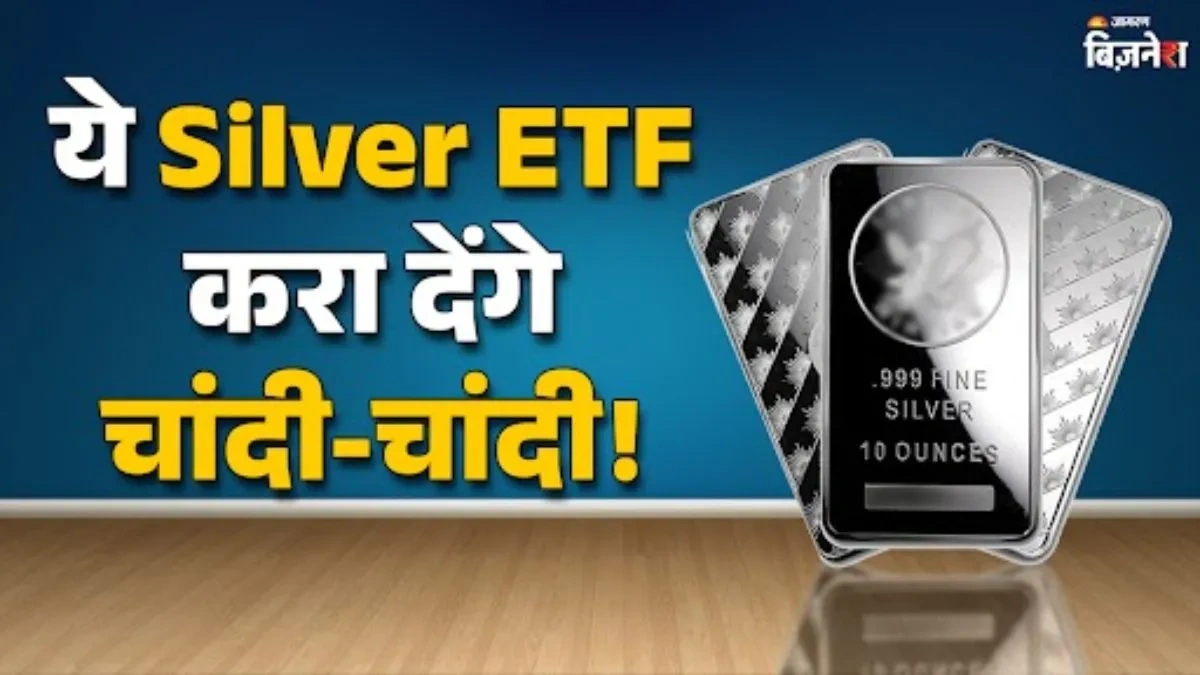
So, you’ve bought a silver ETF, expecting it to mirror the price of silver. Then you notice a difference – a premium. What gives? Well, here’s the thing: silver ETFs aresupposed to track the spot price of silver. But sometimes – and more often than you might think – they trade at a premium, meaning their price is higher than the underlying value of the physical silver they represent. This happens because demand for the ETF outstrips the available supply of ETF units. It’s a classic case of supply and demand at play.
Think of it like this: Imagine everyone wants to buy mangoes in the off-season. The few mangoes available suddenly become much more expensive. The same principle applies to silver ETFs . High demand, coupled with limited availability of ETF units, pushes the price up, creating that premium. It is also worth noting that management fees and other expenses also affect the value of the ETF; hence, slight variations are expected. Let me rephrase that for clarity: you are paying for the convenience, security, and liquidity when dealing with ETFs. It is not a perfect 1:1 match but rather an approximation of the underlying assets’ value.
The Physical Shortage Connection
But why is there such high demand for silver ETFs in the first place? A significant factor is the perceived (and sometimes real) physical shortage of silver. See, silver isn’t just a shiny metal people hoard in vaults, it’s an industrial metal used in everything from electronics to solar panels. When industrial demand surges, and mine supply can’t keep up, a physical silver shortage emerges. Now, what fascinates me is how this impacts the ETF market. Investors, worried about accessing physical silver, flock to silver ETFs as a convenient alternative. This increased demand exacerbates the premium, creating a feedback loop. So, the real question is – is this shortage real, or perceived?
Moreover, geopolitical factors can also play a role. Uncertainty in the global economy often drives investors towards safe-haven assets like silver. This increased demand puts further pressure on both the physical silver market and the silver ETF market, contributing to the premium.
Impact on Investors in India
For Indian investors, understanding the silver ETF premium is crucial. A common mistake I see people make is blindly buying silver ETFs without considering the premium. You might think you’re getting exposure to silver at a certain price, but you’re actually paying more. This can eat into your returns, especially if the premium shrinks after you buy the ETF. Therefore, it is recommended to check the current premium – and historical premium – before investing.
Here’s a step-by-step guide on how to assess the premium: First, find the spot price of silver (you can easily find this on financial websites likeInvesting.com). Then, check the Net Asset Value (NAV) of the silver ETF you’re interested in. The difference between the ETF’s price and its NAV represents the premium. A high premium suggests that the ETF might be overvalued compared to the underlying silver holdings. As per the guidelines of SEBI (Securities and Exchange Board of India), all Asset Management Companies (AMCs) must disclose the NAV of their ETFs daily. Always check this before making an investment decision.
Navigating the Silver ETF Market
So, how can you navigate this tricky landscape? Several strategies can help. One option is to compare different silver ETFs . Some ETFs might trade at lower premiums than others. It pays to shop around! Another strategy is to consider buying physical silver instead of an ETF. Of course, this comes with its own challenges, such as storage and security. A third approach is to use limit orders when buying silver ETFs . This allows you to specify the maximum price you’re willing to pay, potentially avoiding paying an inflated premium. According to data from the World Silver Survey 2024 by The Silver Institute, demand for physical silver has been consistently high, so factor in storage costs if you go this route. Check this out: new updates.
And, most importantly, stay informed. Keep an eye on factors that could impact the silver market, such as industrial demand, mine supply, and geopolitical events. Understanding these dynamics will help you make more informed investment decisions.
What is the Future of Silver ETFs?
The future of silver ETFs in India looks promising, but it’s not without its challenges. As the Indian economy grows, demand for silver in both industrial applications and investment is likely to increase. This could lead to further growth in the silver ETF market. However, the premium issue needs to be addressed to ensure fair pricing for investors.
Innovation in the ETF space could also play a role. For example, new types of silver ETFs could be developed that are more closely tied to the physical silver market, potentially reducing the premium. Also, greater transparency in the ETF market would help investors make better decisions. What fascinates me is how new technologies, like blockchain, can improve the transparency and traceability of silver ETFs and the underlying physical silver. This would help reduce the uncertainty and the perceived risk, making silver ETFs even more attractive to investors.
FAQ Section
Frequently Asked Questions
Why do silver ETFs sometimes trade at a premium?
The premium arises when demand for the ETF exceeds the supply of available units, pushing the price above the net asset value (NAV) of the underlying silver.
How can I check the premium on a silver ETF?
Compare the ETF’s current price to its NAV. The difference indicates the premium. Financial websites provide both prices.
Is it always bad to buy a silver ETF with a premium?
Not necessarily, but it’s crucial to be aware of it. A high premium means you’re paying more than the underlying silver is worth. Consider if you’re comfortable with that additional cost.
What are the alternatives to investing in silver ETFs?
You can buy physical silver (bars, coins), invest in silver mining companies, or explore silver futures contracts.
How does a physical silver shortage impact silver ETFs?
A shortage can drive more investors to silver ETFs , increasing demand and potentially widening the premium.
Are silver ETFs a good investment for beginners?
They can be a convenient way to gain exposure to silver, but it’s essential to understand the premium and other factors before investing.