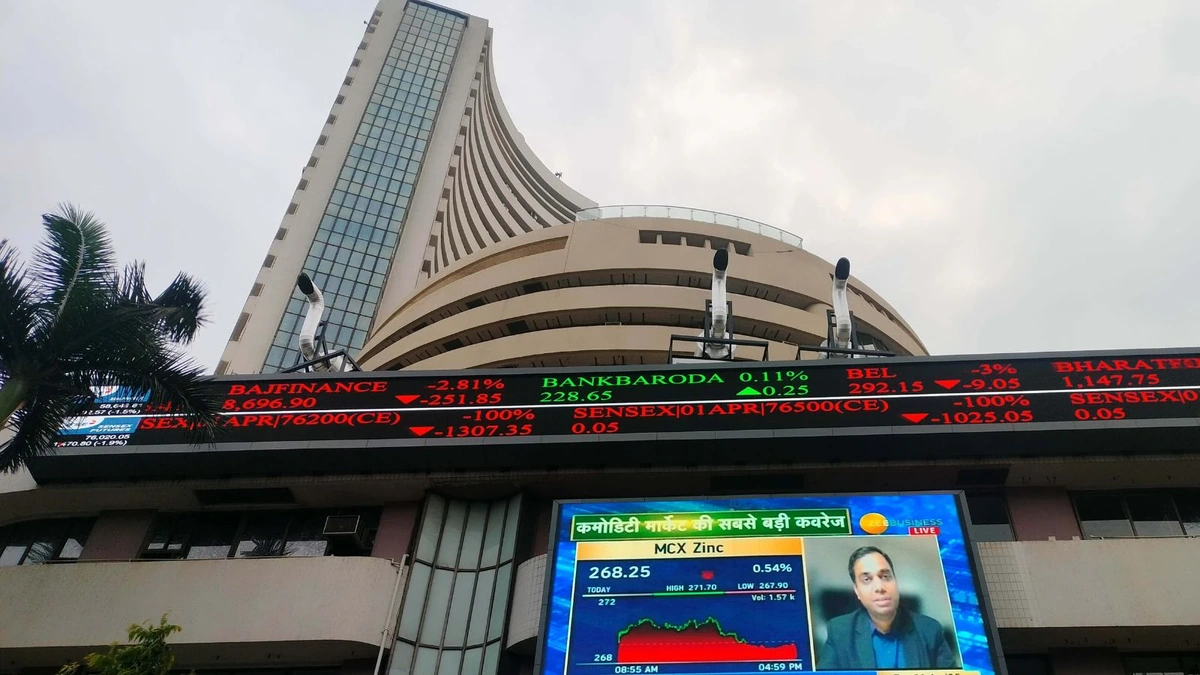
The Indian stock market, a barometer of the nation’s economic health, often feels like a rollercoaster. You have days when the Sensex soars, fueled by optimism and positive global cues, and then you have days like these – a bit of a seesaw, with foreign investors pulling back and the rally hitting a snag near its all-time high. But here’s the thing: understanding why this happens is crucial for anyone trying to navigate the investment landscape. It’s not just about the numbers; it’s about the story behind them.
Decoding the Foreign Investor Fickle
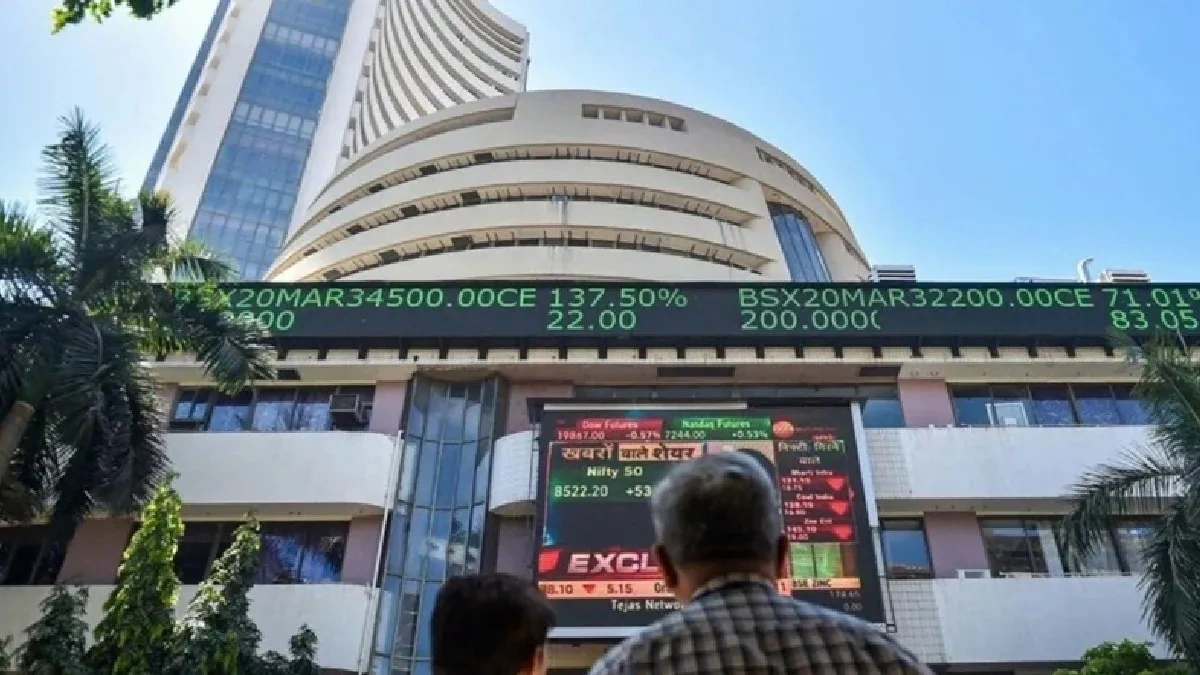
Foreign Institutional Investors (FIIs) or Foreign Portfolio Investors (FPIs) – call them what you will – play a significant role in the Indian stock market. They bring in substantial capital, influencing both the direction and the volatility of the Indian stock indices . But why are they selling now? Several factors could be at play.
Globally, rising bond yields in the US can prompt FIIs to shift investments back to the US, seeking safer and potentially higher returns. Also, any looming uncertainty in the global economic environment – geopolitical tensions, fears of a recession – can trigger a risk-off sentiment, leading them to reduce their exposure to emerging markets like India. And let’s be honest, sometimes it’s just profit-booking. After a good run, they might simply be taking some money off the table. Understanding foreign investment trends is vital for gauging market sentiment.
The Nifty’s Near Miss | What’s Holding it Back?
The Nifty 50 , another key indicator of the Indian market, often mirrors the Sensex’s movements. When the rally stalls near record peaks, it’s not necessarily a cause for panic, but it is a moment for reflection. Several reasons can contribute to this. Sometimes, valuations become stretched, and investors start feeling that the market has run ahead of the actual earnings growth of companies. There might also be sector-specific headwinds. For instance, if the IT sector, which has a significant weightage in both indices, is facing challenges, it can put a damper on the overall market sentiment. Let me rephrase that for clarity: The Nifty’s performance isn’t just about the big picture; it’s also about the individual pieces that make up the whole.
Sectoral Performance | A Mixed Bag
What fascinates me is how different sectors react differently to the same market conditions. Some sectors might be resilient, even thriving, while others struggle. For example, the financial services sector might be weighed down by concerns over asset quality, while the auto sector could be benefiting from pent-up demand and new launches. Keeping an eye on sectoral performance can provide valuable insights into where the market is headed. Also, do look at the Indian equity market .
Navigating the Volatility | Tips for the Indian Investor
So, what should an Indian investor do in such a situation? First and foremost, don’t panic. Market corrections are a normal part of the investment cycle. A common mistake I see people make is trying to time the market – buying when it’s low and selling when it’s high. It sounds simple, but it’s incredibly difficult to execute consistently. Instead, focus on a disciplined approach. Consider these points:
- Diversify Your Portfolio: Don’t put all your eggs in one basket. Spread your investments across different asset classes – equity, debt, gold, etc.
- Invest for the Long Term: The stock market is inherently volatile in the short term. Focus on long-term goals and don’t get swayed by short-term fluctuations. Stay informed about market trends .
- Review Your Portfolio Regularly: Make sure your portfolio is aligned with your risk tolerance and financial goals.
- SIPs are Your Friend: Systematic Investment Plans (SIPs) allow you to invest a fixed amount regularly, regardless of market conditions. This helps you average out your investment cost and reduces the risk of investing a lump sum at the wrong time.
The Road Ahead | What to Expect
Predicting the future of the stock market is a fool’s errand. But, we can analyze the current trends and make some informed guesses. If the global economic environment improves and foreign investors return to the Indian market, we could see the stock market indices break through their record peaks. However, if the uncertainty persists, we might see continued volatility and sideways movement. The Reserve Bank of India’s (RBI) monetary policy decisions, the government’s fiscal policies, and global events will all play a crucial role in shaping the market’s trajectory.
The Indian stock market is a complex beast, influenced by a multitude of factors. But by understanding these factors and adopting a disciplined approach, you can navigate the volatility and achieve your financial goals. Remember, investing is a marathon, not a sprint.
FAQ Section
What does “Sensex” actually mean?
The Sensex (S&P BSE Sensex) is the benchmark index of the Bombay Stock Exchange (BSE) in India. It’s composed of 30 of the largest and most actively traded stocks on the BSE, representing various sectors of the Indian economy.
Why do foreign investors selling their holdings affect the Sensex?
When foreign investors sell, they are essentially reducing demand for Indian stocks. This increased selling pressure can lead to a fall in stock prices, and since the Sensex is calculated based on the prices of its constituent stocks, the index value decreases.
Is it a good time to invest when the market is volatile?
Volatility can present opportunities for long-term investors. When prices are down, you can buy stocks at a lower price. However, it’s crucial to do your research and invest in companies with strong fundamentals. Don’t invest solely based on market movements.
What if I forgot my Demat account details?
Contact your Depository Participant (DP), the organization through which you opened your Demat account. They can help you retrieve your account details. Make sure to have some form of identification ready.
How do I choose the right stocks to invest in?
Start by understanding your risk tolerance and investment goals. Research different companies, analyze their financials, and look at their growth potential. Consider seeking advice from a financial advisor if you’re unsure.
What role does SEBI play in all of this?
The Securities and Exchange Board of India ( SEBI ) is the regulator of the securities market in India. Its primary role is to protect the interests of investors and ensure the orderly development of the securities market.
In the end, the Indian economy is always changing. Investing in the stock market requires a cool head, a long-term perspective, and a healthy dose of skepticism. Don’t follow the herd; do your own research and make informed decisions. And remember, the best investment you can make is in your own financial literacy. And, this is why you need to watch the Q results of top performing companies.