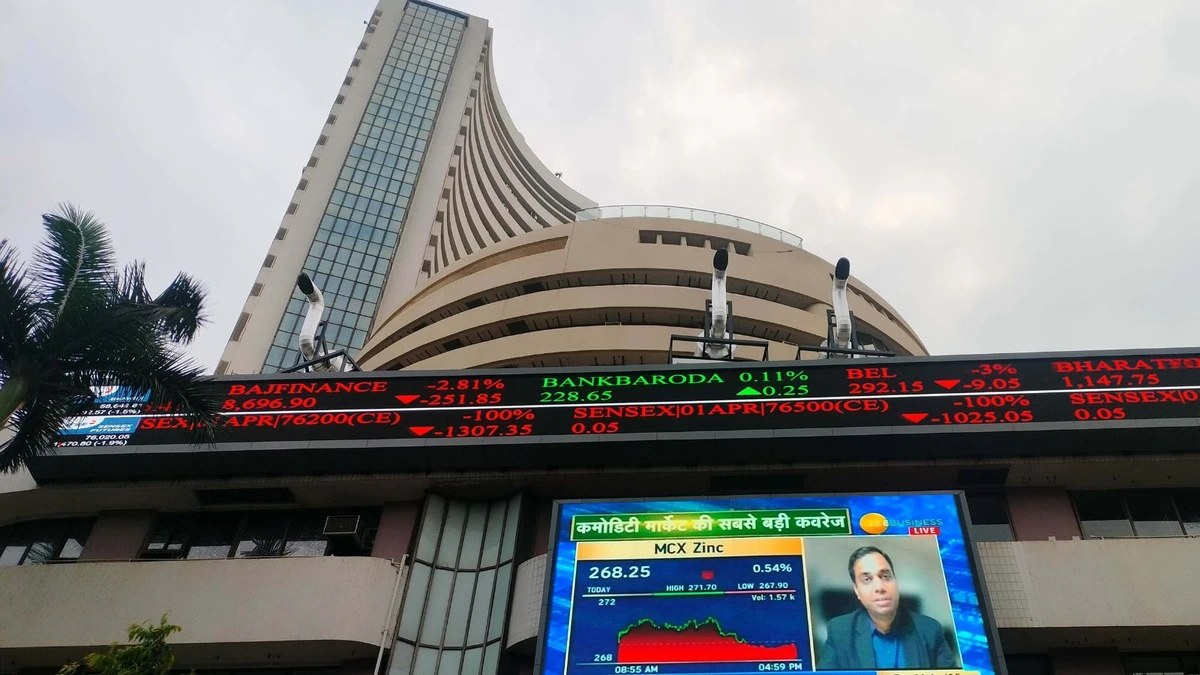
Ouch. That’s the sound Sensex investors made today as the index took a tumble, shedding 593 points. New FII (Foreign Institutional Investor) outflows are being blamed, but honestly, that’s just scratching the surface. The real question is: why are FIIs pulling out, and what does it mean for your portfolio? Let’s dive into the stock market trends and find out.
The FII Exodus | Decoding the ‘Why’
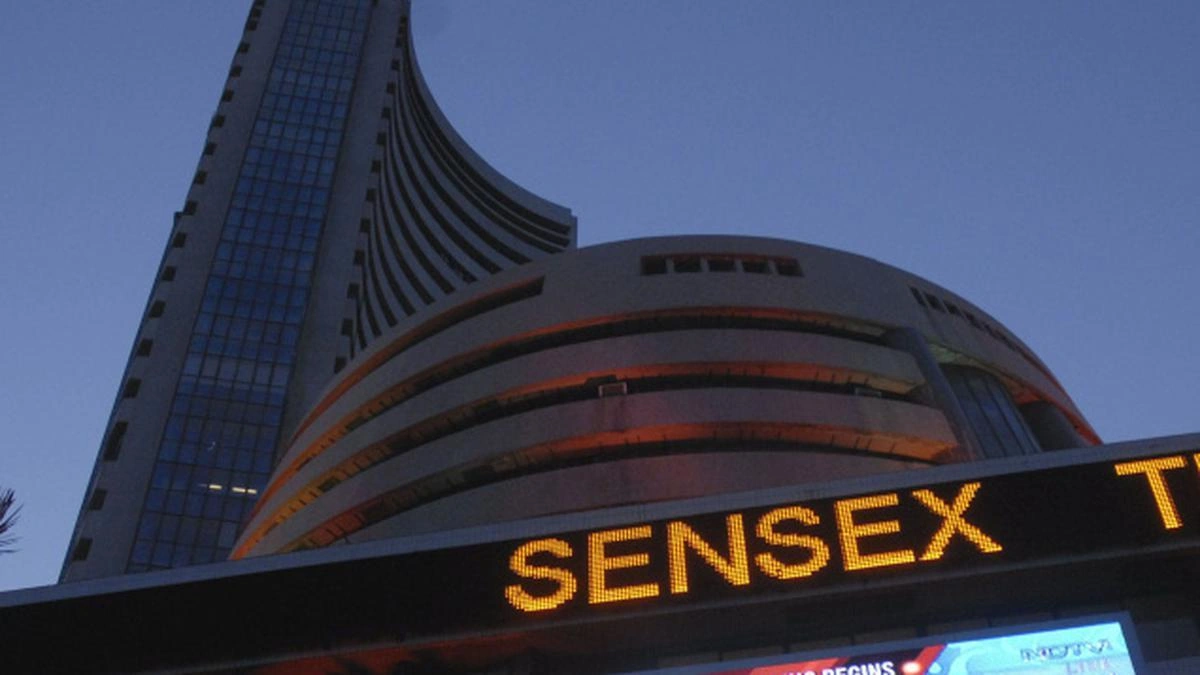
Here’s the thing: FIIs aren’t just whimsical investors who decide to pack their bags on a whim. Their decisions are driven by a complex interplay of global and domestic factors. Globally, rising interest rates in the US are a major draw. Think about it – wouldn’t you prefer parking your money in a US Treasury bond offering a decent return with relatively low risk, compared to navigating the uncertainties of the Indian market? This global economic downturn can significantly impact investment decisions.
But it’s not just about external factors. Domestically, concerns about corporate earnings growth and inflation are also playing a role. If FIIs perceive that Indian companies are not going to deliver the kind of returns they expect, they’re likely to reduce their exposure. It’s a cold, calculated decision, and often, it’s a self-fulfilling prophecy. When they sell, the market drops, reinforcing their initial concerns.
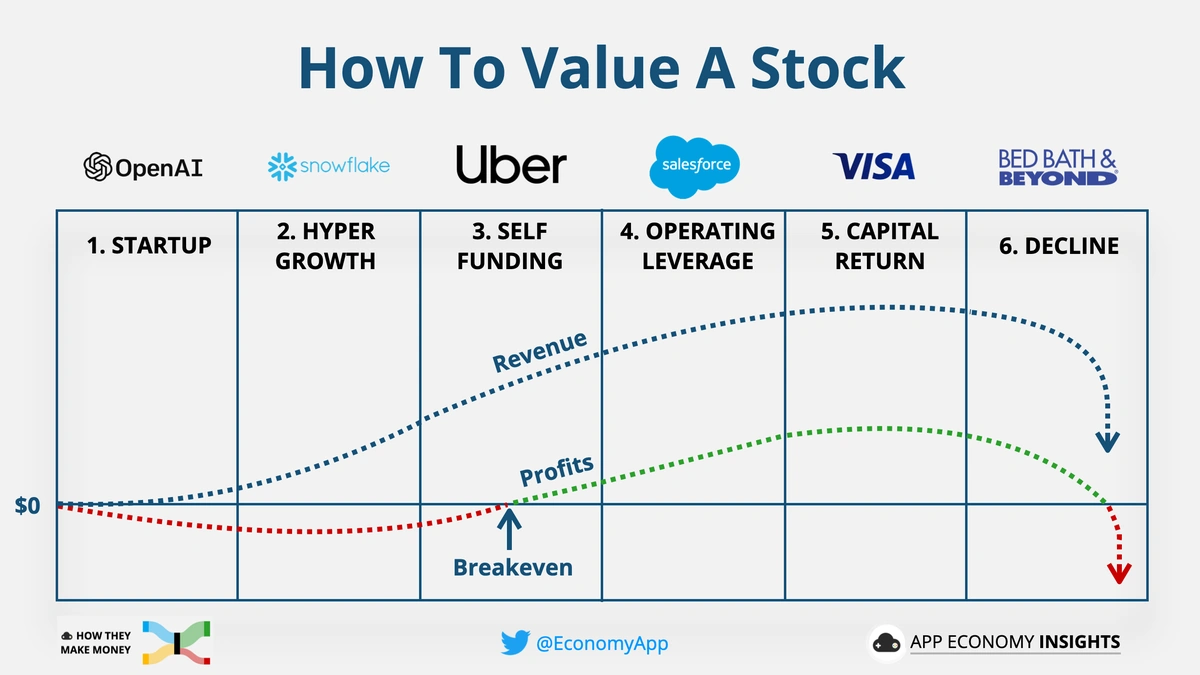
And let’s be honest, the Indian market has been on a pretty good run lately. Some profit-booking was inevitable. It’s like that point where you’ve had enough gulab jamun – even though it’s delicious, you need to take a break.
Navigating the Sensex Dip | What Should You Do?
Okay, so the market’s down. Panic? Absolutely not. This is where having a plan comes in handy. A common mistake I see people make is reacting emotionally to market movements. Instead of hitting the panic button, consider these steps:
- Review Your Portfolio: Take a hard look at your holdings. Are your investments aligned with your long-term goals? If not, this might be a good time to rebalance.
- Don’t Try to Time the Market: Seriously, don’t. Trying to predict the bottom of the market is a fool’s errand. Focus on investing in quality companies for the long haul.
- Consider SIPs: Systematic Investment Plans (SIPs) are your best friend in volatile markets. They allow you to invest a fixed amount regularly, regardless of market conditions. This helps you average out your cost and potentially benefit from the eventual recovery. Consider looking into Groww for SIP options .
I initially thought this was straightforward, but then I realized that many investors get caught up in the day-to-day noise. The key is to zoom out and focus on the big picture. What fascinates me is how long-term investing can change your perspective on the Indian economy .
Understanding FII Investment Flows
FII investment flows are a crucial indicator of market sentiment. They represent the net investment by foreign institutional investors in the Indian stock market. A positive FII flow indicates that FIIs are buying more shares than they are selling, which generally leads to an increase in stock prices. Conversely, a negative FII flow, as seen in today’s market volatility , suggests that FIIs are selling more shares than they are buying, putting downward pressure on the market.
Tracking these flows can provide insights into the overall health and attractiveness of the Indian market to foreign investors. According to data from the National Stock Exchange (NSE), FIIs have been net sellers in the Indian market for the past few sessions, contributing to the recent market decline. You can check the NSE website for the latest updates.
Impact on Different Sectors
So, how does a Sensex dip affect different sectors? Typically, sectors with high foreign ownership, such as financials and technology, are more vulnerable to FII outflows. When FIIs sell their holdings in these sectors, it can lead to a significant drop in their stock prices. However, some sectors, like consumer staples and healthcare, are relatively less affected as they are considered more defensive in nature. Defensive sectors often see increased investment during a market downturn .
It’s important to remember that market corrections are a normal part of the investment cycle. They provide opportunities to buy quality stocks at lower prices. The key is to remain calm, stick to your investment strategy, and focus on the long term.
The Road Ahead | What to Expect
Predicting the future is impossible, but we can make informed guesses. The Indian market is likely to remain volatile in the near term, influenced by global economic conditions and domestic policy decisions. Keep an eye on inflation numbers, corporate earnings, and government reforms. These factors will play a crucial role in shaping market sentiment and attracting or deterring FII investment.
And remember, investing is a marathon, not a sprint. Don’t let short-term market fluctuations derail your long-term financial goals. Stay focused, stay informed, and stay invested. But, the RBI’s Monetary Policy Committee is expected to take action soon , which could stabilise the market.
FAQ Section
Frequently Asked Questions
What exactly are FII outflows?
FII outflows occur when Foreign Institutional Investors sell more shares than they buy in a particular market, leading to a net outflow of capital.
How do FII outflows impact the stock market?
FII outflows can lead to a decrease in stock prices and increased market volatility as the selling pressure outweighs the buying interest.
Should I sell my stocks during an FII outflow?
It depends on your investment strategy and risk tolerance. It’s generally advisable to avoid making impulsive decisions based on short-term market movements and consult with a financial advisor.
What are some factors that cause FII outflows?
Factors such as rising interest rates in developed markets, concerns about domestic economic growth, and geopolitical risks can trigger FII outflows.
How can I protect my portfolio from FII outflows?
Diversifying your portfolio across different asset classes, investing in fundamentally strong companies, and having a long-term investment horizon can help mitigate the impact of FII outflows.
Where can I track FII investment data?
You can find FII investment data on the websites of stock exchanges like the NSE and BSE, as well as financial news websites.