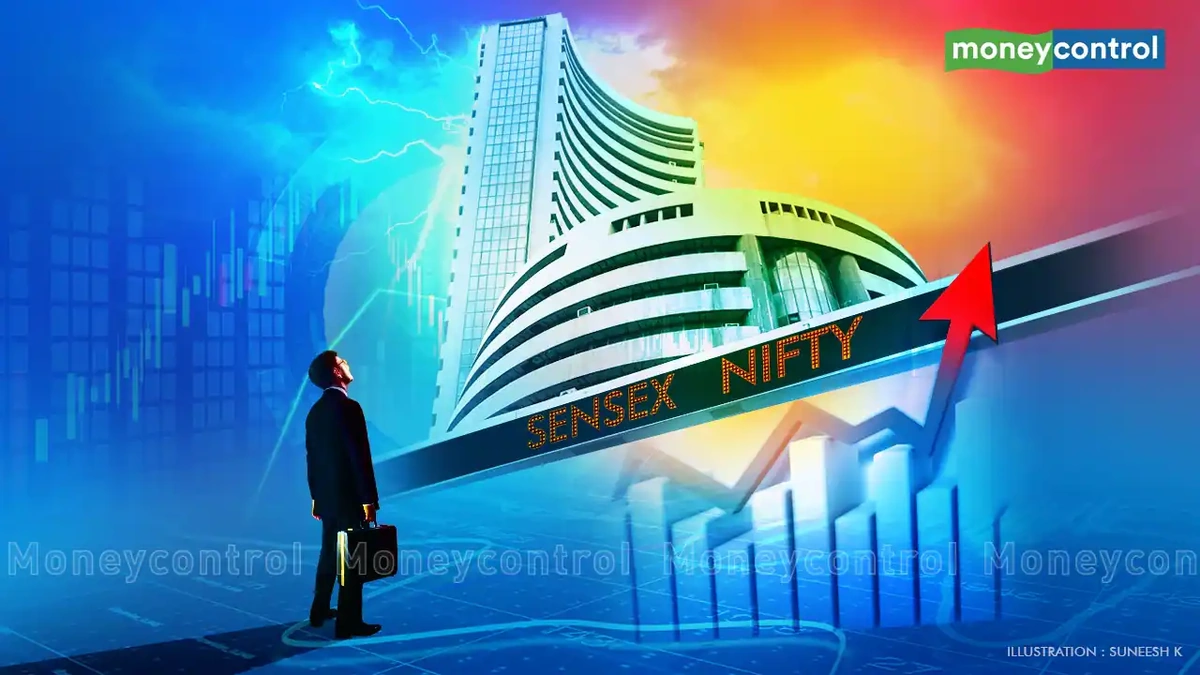
Ouch. That’s the sound the Sensex made today as it took a 400-point tumble. Now, headlines are screaming about ‘fading rate cut optimism’ and ‘weakening global markets.’ But let’s be honest – what does that really mean for you, sitting in your living room, maybe planning for your kid’s education or your own retirement? Let’s dive deeper, shall we?
Why the Sensex’s Bad Day Matters to Your Wallet
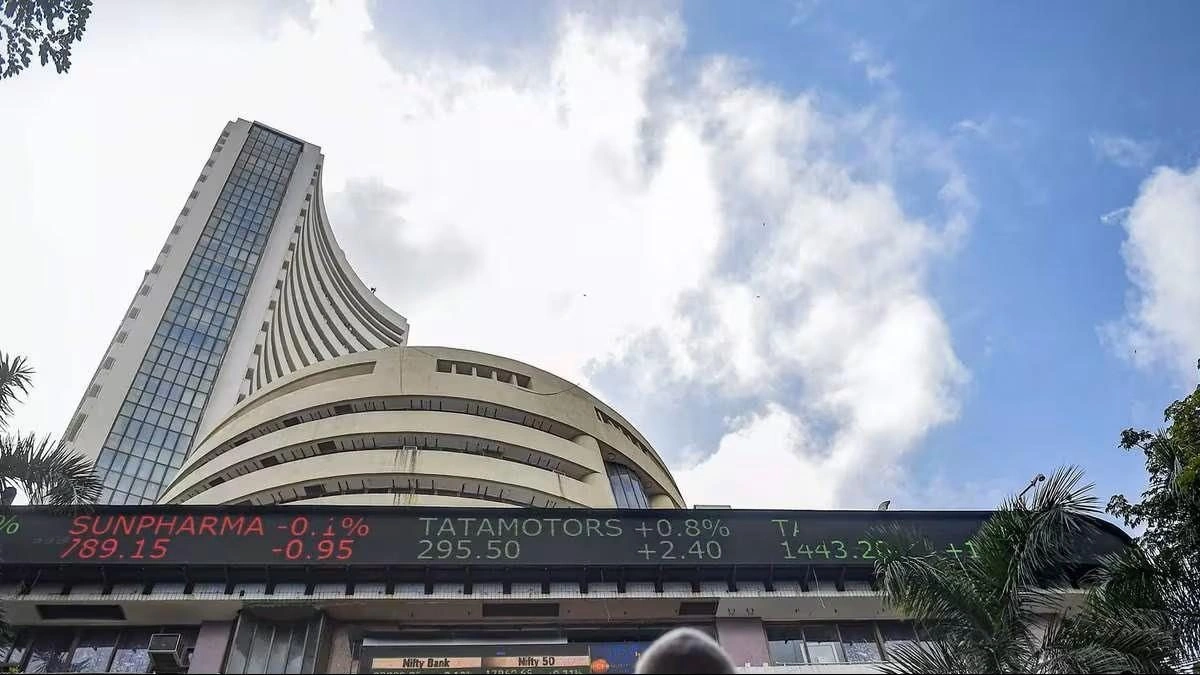
Here’s the thing: The Sensex isn’t just some abstract number flashing on a screen. It’s a barometer of the Indian economy, and when it sneezes, your investments might catch a cold. The immediate trigger, as the headlines suggest, is indeed the cooling of expectations around interest rate cuts by the Reserve Bank of India (RBI). For months, there’s been buzz about the RBI loosening its purse strings to boost economic growth. But recent inflation data and global uncertainties have put a damper on that hope. This is because rising inflation would cause the RBI to rethink cutting interest rates. This in turn has a negative impact on the market.
But that’s not the whole story. Global markets are also playing a significant role. Concerns about a potential slowdown in China (a major trading partner), rising oil prices (always a pain for India), and geopolitical tensions are all contributing to the market’s nervousness. These factors, combined with the domestic rate cut pessimism, created a perfect storm for the Sensex.
What fascinates me is how interconnected everything is. A factory struggling in Germany? Could affect your mutual fund returns. Political instability in the Middle East? Could drive up fuel costs and hit your monthly budget. The Indian stock market is like a sensitive organism, reacting to stimuli from all corners of the world.
How to Navigate This Market Volatility (Like a Pro)
Okay, so the market’s down. Panic? Absolutely not. This is where smart investors separate themselves from the herd. Here’s a simple, step-by-step guide to weathering this storm:
- Don’t panic sell. I repeat: Don’t panic sell! Selling when the market is down locks in your losses. Think long-term.
- Review your portfolio. Are your investments aligned with your risk tolerance and financial goals? Now’s a good time to reassess.
- Consider diversification. Don’t put all your eggs in one basket. Spread your investments across different asset classes (stocks, bonds, gold, real estate).
- Stay informed. Keep an eye on market news and economic indicators, but don’t get caught up in the daily noise.
- Talk to a financial advisor. If you’re feeling overwhelmed, seek professional advice.
A common mistake I see people make is trying to time the market. Predicting market movements is notoriously difficult, even for seasoned experts. Instead of trying to guess when the market will go up or down, focus on building a solid, diversified portfolio and sticking to your long-term investment plan. Also, it is worth noting that the weakening of the Indian rupee can also play a significant role. Check out the impact of the Indian rupee on our economy .
Rate Cut Reality Check | What the RBI Might Do Next
Let’s be honest, deciphering the RBI’s intentions is like trying to read tea leaves. But here’s what we do know. The RBI’s primary mandate is to control inflation. If inflation remains stubbornly high, the RBI is unlikely to cut rates anytime soon. On the other hand, if economic growth falters significantly, the RBI might be forced to act, even if it means tolerating slightly higher inflation.
The RBI’s Monetary Policy Committee (MPC) will be closely watching a range of data points, including inflation figures, GDP growth, global commodity prices, and the performance of other major economies. Their decision will be a delicate balancing act, weighing the risks of inflation against the need to support economic growth. The Reserve Bank of India is walking a tightrope.
According to experts, the probability of a rate cut in the next few months has decreased, but it’s not entirely off the table. Much will depend on how the economic landscape evolves in the coming weeks and months. Be sure to check out indigo acquiring many airplanes , this can be a factor as well.
The Global Domino Effect | Why World Markets Matter
India doesn’t exist in a vacuum. What happens in the US, China, and Europe has a direct impact on our markets. A slowdown in the global economy can reduce demand for Indian exports, hurting our corporate earnings. Rising interest rates in the US can attract foreign investment away from India, putting downward pressure on the rupee. Geopolitical tensions can disrupt supply chains and drive up commodity prices. The stock market’s reaction is also influenced by the price of crude oil .
The key takeaway is that global events can significantly influence the Indian economy and the Sensex. Staying informed about these developments is crucial for making informed investment decisions.
Long-Term Perspective | Seeing the Forest for the Trees
Market volatility is a fact of life. There will be ups and downs, bull markets and bear markets. The important thing is to maintain a long-term perspective. Don’t let short-term fluctuations derail your financial goals. Remember why you invested in the first place – whether it’s for retirement, your children’s education, or a down payment on a house. Stay focused on your long-term objectives, and don’t get swayed by short-term market noise.
Consider this: the Sensex has historically delivered strong returns over the long term. Despite numerous crashes, corrections, and crises, the index has consistently trended upwards over the past few decades. This demonstrates the resilience of the Indian economy and the potential for long-term wealth creation. And remember that the stock market crash can often result in future opportunity.
FAQ Section
Frequently Asked Questions
What if I’m losing money right now?
It’s tough to see your portfolio value decline. Resist the urge to panic sell. Review your asset allocation and consider rebalancing if necessary.
Should I stop my SIPs?
No! SIPs (Systematic Investment Plans) are designed to take advantage of market volatility. When the market is down, you buy more units at a lower price.
Is this a good time to invest more?
Potentially, yes. But only if you have a long-term investment horizon and are comfortable with the risk. Consult a financial advisor.
How long will this market downturn last?
Unfortunately, no one knows for sure. Market downturns can last for days, weeks, or even months. Focus on what you can control – your investment strategy and your risk tolerance.
What are the key economic indicators to watch?
Keep an eye on inflation data, GDP growth, interest rates, and global commodity prices.
How does gold perform during a market downturn?
Gold is often considered a safe-haven asset. It tends to perform well during times of economic uncertainty and market volatility.
So, the Sensex dropped. Big deal. Don’t let fear dictate your investment decisions. Stay calm, stay informed, and stay focused on the long term. That’s how you build wealth, regardless of what the market throws your way.