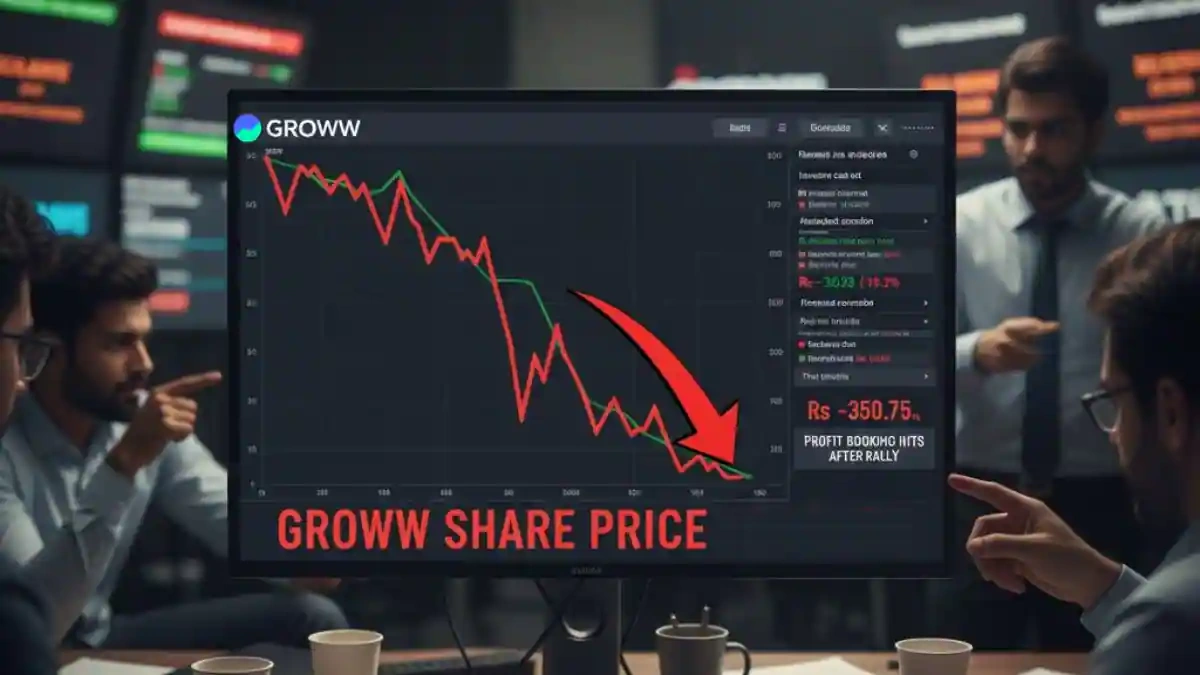
The Sensex took a tumble today, and it’s got everyone asking, ‘What’s going on?’ It wasn’t just a minor dip; we’re talking about a 331-point drop. The Nifty also took a hit, falling below 25,950. Big names like BEL (Bharat Electronics Limited) and M&M (Mahindra & Mahindra) weren’t spared either. But here’s the thing: these numbers are just the surface. Let’s dig a bit deeper, shall we?
Decoding Today’s Market Dip | Why Does It Matter?
So, the stock market is volatile – news at eleven, right? Not quite. It’s essential to understand that these daily fluctuations, especially significant ones like today’s Sensex decline, can offer glimpses into broader economic trends. What I’m saying is that the movement of the market can indicate underlying shifts in investor sentiment, global economic pressures, and even hints about future policy changes. A sharp drop, like the one we saw today, is not just a bad day for investors; it’s a signal to pay attention.
Consider this: foreign institutional investors (FIIs) might be pulling out funds due to concerns about rising interest rates in the US. Or perhaps domestic investors are reacting to disappointing earnings reports from key sectors. Maybe the government’s economic outlook is the cause. All are valid and potential problems that need to be addressed and are often interconnected. Whatever the reason, understanding the ‘why’ behind the numbers is crucial for making informed decisions whether you’re a seasoned investor or just starting out.
BEL and M&M in the Red | What’s the Story?
When the Sensex sneezes, many companies catch a cold. BEL and M&M are prime examples today. But why these two? Well, BEL’s performance is often tied to government defense spending and major infrastructure projects. Any hint of delays or budget cuts can send its stock price south. M&M, on the other hand, is a bellwether for the auto sector and the broader rural economy. Their stock performance can reflect overall consumer sentiment and purchasing power, and market capitalization . A drop in M&M shares might signal concerns about demand, rising input costs, or even regulatory changes.
Let’s be honest; these aren’t just random companies. They’re significant players in their respective sectors. Their struggles today give us a snapshot of the challenges facing the broader economy. Keeping an eye on these individual stock movements can offer valuable clues about where the market might be heading.
Navigating Market Volatility | A Practical Guide
Okay, so the stock market trends are down. What do you do about it? A common mistake I see people make is panicking and selling off their investments. But the best approach is often to stay calm and think strategically. Here’s what I have found:
- Reassess your portfolio: Are your investments aligned with your long-term goals? Today’s dip might be a good opportunity to rebalance your portfolio and ensure it reflects your risk tolerance and investment horizon.
- Consider diversification: Don’t put all your eggs in one basket. Diversifying across different asset classes and sectors can help cushion the impact of market volatility.
- Look for opportunities: A market downturn can be a good time to buy stocks at a discount. If you’ve been eyeing a particular company, this could be your chance to snag it at a lower price. Investment plans , if you have one, should be followed through
- Stay informed: Keep up-to-date with market news and analysis. But be wary of sensational headlines and focus on credible sources of information.
The Global Context | What’s Happening Worldwide?
The Indian stock market doesn’t exist in a vacuum. Global events and economic indicators play a significant role in shaping its performance. For instance, rising interest rates in the US can attract foreign capital away from emerging markets like India, putting downward pressure on the Sensex . Similarly, geopolitical tensions, trade wars, and commodity price fluctuations can all have a ripple effect on the Indian stock market. Keeping an eye on these global factors is crucial for understanding the bigger picture.
Here’s the thing: the world is interconnected. What happens in Wall Street, Beijing, or Brussels can have a direct impact on Dalal Street. A strong global economy can boost Indian exports and attract foreign investment. Conversely, a global recession can trigger a slowdown in India. Understanding these global dynamics is essential for making informed investment decisions.
Don’t Panic | Long-Term Perspective Matters
Let’s be honest, seeing the Sensex in the red can be unnerving. But it’s important to remember that the stock market is a long-term game. Rupee volatility and other factors will occur in the economy that can cause dips. There will be ups and downs, periods of growth and periods of correction. The key is to stay focused on your long-term goals and avoid making impulsive decisions based on short-term market fluctuations. If you can handle it, don’t sell anything!
Think of it this way: the stock market is like a rollercoaster. There will be thrilling highs and scary lows. But if you stay buckled in and focus on the overall ride, you’re more likely to reach your destination safely. The Nifty 50 and other indicators will experience periods of fluctuations. Remember, investing is a marathon, not a sprint.
FAQ Section
Frequently Asked Questions
What does a significant Sensex drop indicate?
A significant drop often reflects broader economic concerns, shifts in investor sentiment, or global economic pressures. It’s a signal to investigate underlying causes.
How do global events affect the Sensex?
Global events like US interest rate hikes, geopolitical tensions, and trade wars can significantly influence the Sensex by affecting capital flows and investor confidence.
Should I sell my investments when the market drops?
Not necessarily. Panicking and selling can lock in losses. Reassess your portfolio, consider diversification, and view it as a potential buying opportunity if your long-term goals are still intact.
How important are individual stock movements like BEL and M&M?
They offer clues. BEL’s performance reflects government spending, while M&M indicates consumer sentiment and rural economic health. These individual movements provide insights into specific sectors.
Where can I find credible market news and analysis?
Stick to reputable financial news outlets, industry blogs, and official government sources. Be wary of sensational headlines and focus on objective analysis.
What is market capitalization ?
It represents the total value of a company’s outstanding shares, calculated by multiplying the current share price by the number of shares outstanding.