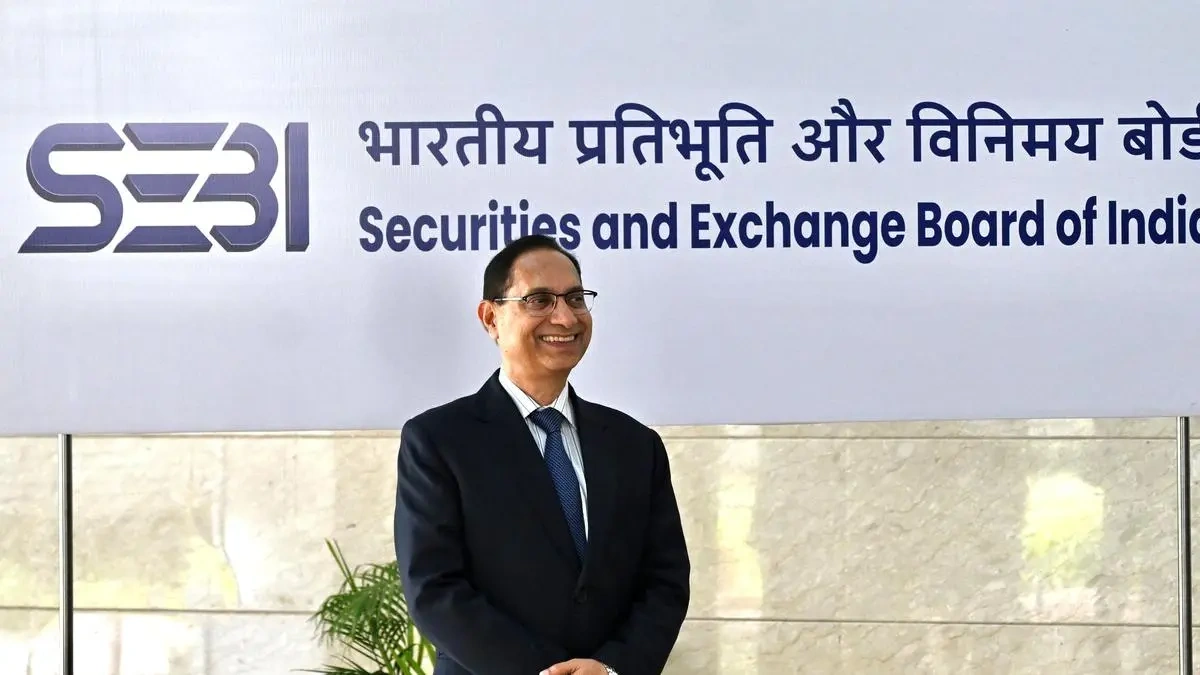
We often hear about the stock market, investments, and the need for financial security. But how much of it truly makes sense? For many Indians, the world of finance feels like navigating a maze blindfolded. That’s where figures like Tuhin Kanta Pandey , the SEBI Chairman , come in. It’s not just about regulations and policies; it’s about making sure ordinary people aren’t left behind in the financial rush.
And here’s the thing: what SEBI Chairman Pandey is focusing on right now – financial literacy and investor safeguarding – isn’t some abstract ideal. It’s about real-world impact. It’s about your neighbor who’s considering investing their life savings, or the young graduate trying to understand their first salary slip. It’s about empowering them to make informed decisions and protecting them from potential pitfalls. But what does this mean for you, the average Indian? Let’s unpack it.
Why Financial Literacy Matters – More Than You Think

Financial literacy isn’t just a fancy term; it’s the bedrock of a stable financial future. It’s about understanding the basics: budgeting, saving, investing, and managing debt. Sounds simple, right? Yet, a significant portion of the Indian population lacks even these fundamental skills. This gap leaves them vulnerable to financial scams, poor investment choices, and an overall sense of uncertainty about their economic well-being. Investor education is key here.
What fascinates me is the ripple effect. A financially literate population isn’t just good for individuals; it’s good for the entire economy. It leads to increased savings, better investment decisions, and a more resilient financial system. Think about it: when people understand how money works, they’re more likely to participate in the formal financial sector, contributing to economic growth. This then has a positive impact on sectors such as India’s GDP growth .
But, it’s not only about avoiding scams. It’s also about taking advantage of opportunities. With rising inflation and changing economic landscapes, simply saving money in a bank account isn’t enough. People need to understand how to invest wisely to grow their wealth and achieve their financial goals, whether it’s buying a home, funding their children’s education, or securing a comfortable retirement.
Investor Safeguarding | Your Shield in the Financial Arena
Now, let’s talk about safeguarding your investments. The financial market can be a wild west, full of opportunities but also rife with risks. Investor protection is paramount. This means having robust regulatory frameworks in place to prevent fraud, market manipulation, and other unethical practices. This is where SEBI, under the leadership of SEBI Chairman Pandey, plays a crucial role.
Here’s the thing: regulations alone aren’t enough. Investors need to be aware of their rights and responsibilities. They need to know how to identify potential scams, how to report fraudulent activities, and how to seek redressal when things go wrong. It’s a two-way street – SEBI sets the rules, but investors need to be vigilant and informed.
I initially thought this was straightforward, but then I realized the complexity involved. Safeguarding isn’t just about punishing wrongdoers; it’s about creating a culture of transparency and accountability. It’s about building trust in the financial system, so people feel confident investing their hard-earned money. One of the ways this can be achieved is by using Gen AI, such as how Meesho uses gen AI to solve customer issues .
How Does This Affect You Directly?
So, how does all of this relate to your daily life? Let’s say you’re planning to invest in the stock market. Thanks to SEBI’s efforts in investor safeguarding, you can be reasonably assured that the companies you’re investing in are being properly vetted and regulated. You have access to information about their performance, risks, and governance. This transparency empowers you to make informed decisions.
And, if something does go wrong – if you fall victim to a scam or your broker misleads you – you have recourse. SEBI has established mechanisms for investor grievance redressal, allowing you to seek compensation and justice. This provides a safety net, giving you the confidence to participate in the market without excessive fear.
What fascinates me is the proactive approach. SEBI initiatives include investor awareness programs, educational campaigns, and easy-to-understand guides on financial topics. These resources are designed to equip you with the knowledge and skills you need to navigate the financial world safely and successfully.
The Road Ahead | Challenges and Opportunities
But, let’s be honest, there are still challenges ahead. Financial literacy levels in India remain low, particularly in rural areas and among women. Many people still lack access to formal financial services, relying instead on informal channels that are often unregulated and risky. There is a need to improve financial inclusion .
And so, the opportunity lies in scaling up financial literacy efforts, reaching out to underserved communities, and leveraging technology to make financial education more accessible and engaging. The goal should be to create a financially empowered India, where everyone has the opportunity to build a secure and prosperous future.
One area that needs particular focus is the rise of online trading platforms. While these platforms offer convenience and accessibility, they also come with risks. Many new investors, lured by the promise of quick returns, jump into the market without understanding the underlying risks. There is a need for greater regulation and investor education to ensure that these platforms are used responsibly and ethically.
The Power of Collective Action
Ultimately, financial literacy and investor safeguarding are not just the responsibility of SEBI or other regulatory bodies. It’s a collective effort. It requires the involvement of individuals, families, communities, educational institutions, and the media. We all have a role to play in creating a financially literate and empowered India.
Think about it: start by educating yourself. Read books, attend seminars, and take online courses on personal finance. Share your knowledge with your family and friends. Encourage them to make informed decisions and avoid common financial pitfalls. Become an advocate for financial literacy in your community.
And, as investors, we need to be vigilant and responsible. Do your research before investing in any financial product. Understand the risks involved. Ask questions. Seek advice from qualified professionals. Report any suspicious activities to the authorities. By taking these steps, you can protect yourself and contribute to a more transparent and ethical financial market. It is also helpful to learn about market regulation .
Here’s the thing: Tuhin Kanta Pandey ‘s focus is a call to action. It’s a reminder that financial security is not just a privilege, but a right. It’s a challenge to us all to take ownership of our financial futures and work together to create a more prosperous and equitable India.
FAQ Section
Frequently Asked Questions
What exactly does SEBI do to protect investors?
SEBI implements regulations to prevent fraud and market manipulation, ensures companies disclose accurate information, and provides grievance redressal mechanisms for investors.
How can I improve my financial literacy?
Read books, attend seminars, take online courses, and follow reputable financial news sources. Start with the basics of budgeting, saving, and investing.
What should I do if I suspect a financial scam?
Report it immediately to SEBI or the relevant authorities. Provide as much detail as possible, including any evidence you have.
Where can I find reliable information about investing?
Check the SEBI website for investor education resources. Also, consult with qualified financial advisors for personalized guidance.
What is the role of market regulation in protecting my investments?
Market regulation creates a level playing field, promotes transparency, and prevents unfair practices, ensuring that all investors have a fair chance to succeed.