The Indian Rupee , that ever-present symbol of our nation’s economic health, has been on a bit of a rollercoaster lately. We’ve seen it dip, causing a collective holding of breath across households and businesses alike. But just when things looked a little shaky, the Reserve Bank of India (RBI) stepped in. And guess what? It worked. The rupee strengthened .
But, let’s be honest, headlines like that often leave us with more questions than answers. Why did the rupee decline in the first place? What exactly does it mean when the RBI ‘intervenes’? And, most importantly, what does all this mean for you and me, the average person trying to make sense of our finances? That’s what we are diving into.
Why the Rupee’s Volatility Matters
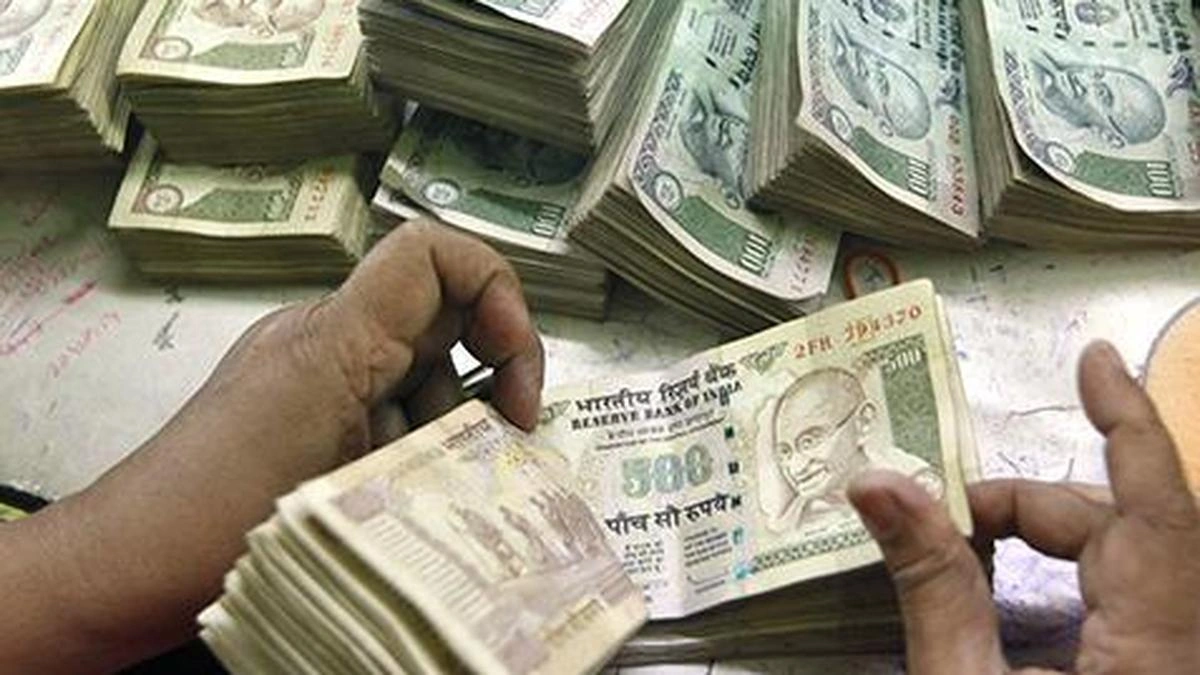
Here’s the thing: the value of the rupee isn’t some abstract number that only economists need to worry about. It has real-world implications that touch our lives in numerous ways. Think about it – when the rupee weakens , imported goods become more expensive. This means everything from the petrol we pump into our vehicles to the gadgets we love and even some of the ingredients in our favorite foods can see a price hike. It’s a bit like a domino effect, and we are at the receiving end. I initially thought it was straightforward, but then I realized the depth of implications.
For businesses, especially those that rely heavily on imports, a weaker rupee can squeeze profit margins and potentially lead to increased prices for consumers. On the flip side, a stronger rupee can make Indian exports more expensive for other countries, potentially impacting our export-oriented industries. See? It’s a delicate balance.
And that’s precisely why the RBI keeps a close watch on the currency market .
RBI’s Intervention | More Than Just a Band-Aid
When you hear that the RBI has ‘intervened,’ it essentially means they’ve taken steps to influence the rupee’s exchange rate . The most common method is by buying or selling US dollars in the forex market . If the rupee is weakening , the RBI might sell dollars to increase the supply of dollars in the market, thereby increasing demand for the rupee and strengthening its value .
But it’s not just a simple buy-and-sell transaction. The RBI’s intervention is a carefully calculated move based on a multitude of factors, including global economic trends, inflation rates, and overall market sentiment. It’s like a chess game, with the RBI strategically positioning itself to maintain stability.
A common mistake I see people make is thinking of RBI intervention as a guaranteed fix. It’s more of a tool to manage volatility and prevent excessive fluctuations, not necessarily to dictate the long-term direction of the rupee .
The Global Context: What’s Influencing the Rupee ?
The rupee doesn’t exist in a vacuum . Its performance is heavily influenced by global events and economic factors. Rising crude oil prices, for instance, can put downward pressure on the rupee as India imports a significant amount of its oil. Similarly, changes in US interest rates can affect capital flows into and out of India, impacting the rupee’s value .
And then there are geopolitical tensions, global trade dynamics, and investor sentiment – all playing a role in the complex dance of currency exchange rates . According to reports, the RBI closely monitors global financial markets (rbi.org.in) to access the global economic situations.
Understanding these external factors is crucial to understanding the rupee’s movements . It’s not always about what’s happening within India; sometimes, the bigger picture is just as important.
What This Means for You | Practical Takeaways
So, how can you, as an individual, navigate these fluctuations in the rupee ? Here are a few practical tips:
- If you’re planning an international trip: Keep an eye on the exchange rates and try to convert your rupees to foreign currency when the rupee is relatively strong .
- If you’re investing in international stocks: Be mindful of the currency risk . A weaker rupee can boost your returns , but a stronger rupee can erode them .
- If you’re a business owner: Consider hedging your currency exposure to protect yourself from adverse exchange rate movements .
Ultimately, staying informed and making informed decisions is the key. A little bit of awareness can go a long way in protecting your finances from the vicissitudes of the currency market . Plus, read articles like these, so you can get a grasp on the present situation. Check out India’s Economic Growthto get a full picture.
Let me rephrase that for clarity: Being proactive is the best strategy.
Looking Ahead: What’s Next for the Rupee ?
Predicting the future of the rupee with certainty is, of course, impossible. However, we can look at the underlying trends and factors that are likely to influence its performance. Continued RBI intervention , global economic developments, and domestic policy decisions will all play a role.
What fascinates me is the resilience of the Indian economy. Despite the challenges, we’ve consistently shown the ability to adapt and overcome. And that, in itself, is a reason to be optimistic about the long-term prospects of the rupee .
The Indian economy and the Indian Rupee’s future are intertwined. Here are some factors at play:
- Inflation rate
- Crude oil prices
- Trade deficit
- Foreign investments
These factors impact the stability of the rupee . Check out UPI expansion to get more details.
FAQ
Frequently Asked Questions
Why does the rupee’s value fluctuate ?
The rupee’s value is determined by supply and demand in the foreign exchange market . Factors like global economic conditions, interest rates , and investor sentiment can all influence this.
How does RBI intervention affect the rupee ?
When the RBI intervenes, it buys or sells US dollars to influence the rupee’s exchange rate , helping to manage volatility.
What can I do to protect myself from rupee fluctuations ?
If you’re planning international travel or investing in international assets, be mindful of the exchange rates and consider hedging your currency exposure .
Where can I track the rupee’s current exchange rate ?
You can find the rupee’s exchange rate on various financial websites and news sources.
What is currency devaluation?
Currency devaluation happens when a country’s central bank intentionally lowers the value of its currency. This can make exports cheaper and more competitive, but it can also lead to higher import costs.
In conclusion, the rupee strengthening after the RBI’s intervention highlights the complexities of currency management and its impact on our daily lives. Staying informed and understanding the underlying factors at play empowers us to make better financial decisions and navigate the ever-changing economic landscape with greater confidence. The Indian rupee is more than just a symbol; it’s a reflection of our nation’s economic story, constantly unfolding.