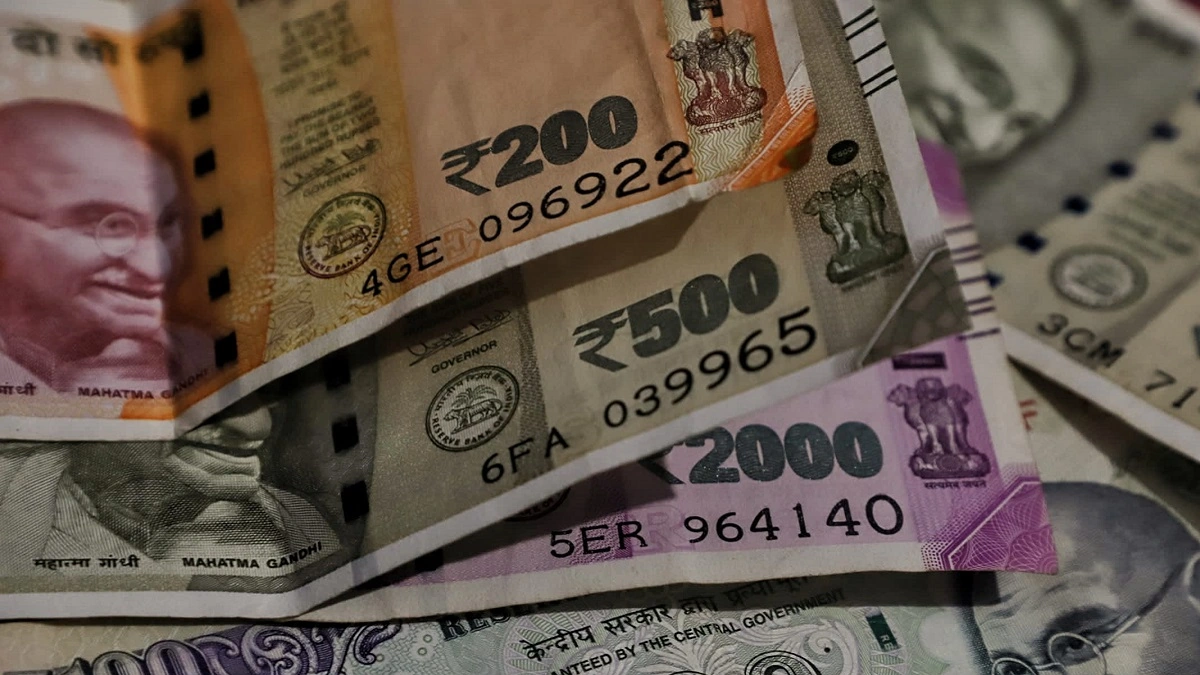
The Indian Rupee’s recent tumble past the 89 mark against the US dollar has undoubtedly sent ripples through the financial markets. It’s the kind of news that makes you sit up and pay attention, especially if you’re an investor – big or small. But let’s be honest, just knowing the rupee has devalued isn’t enough. What truly matters is understanding why this is happening, and what it means for your investments. So, grab your chai, and let’s dive into the heart of the matter.
Decoding the Rupee’s Decline | More Than Just Numbers
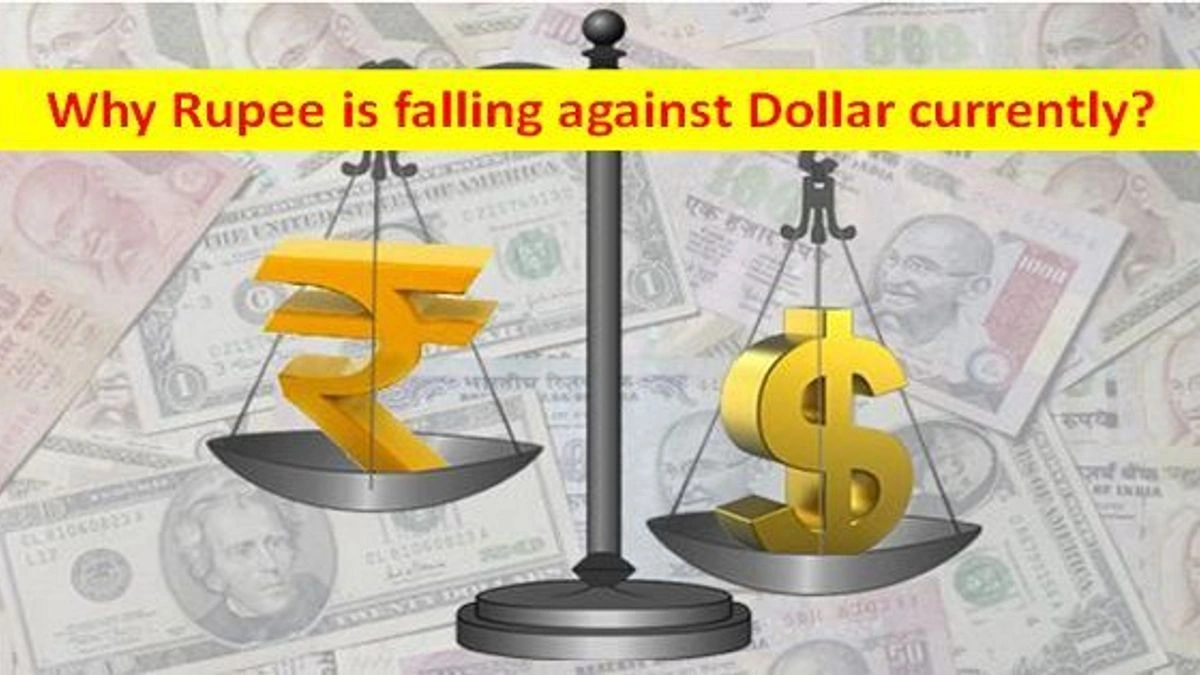
Here’s the thing: currency devaluation isn’t some random event. It’s a complex interplay of various economic forces. Understanding these forces is crucial. One major factor is the global economic climate. When the US dollar strengthens (often considered a safe-haven currency), other currencies, including the Rupee, tend to weaken. Rising crude oil prices , which India heavily imports, also put pressure on the Rupee. Increased import costs lead to a higher demand for dollars, further devaluing the Rupee.
What fascinates me is how the Reserve Bank of India (RBI) navigates this situation. They have a tough balancing act: they can intervene by selling dollars from their reserves to prop up the Rupee, but this depletes their reserves. They can also adjust interest rates , but that can impact economic growth. It’s a delicate dance, and the RBI’s decisions have a direct impact on the market sentiment and investor confidence. According to tradingeconomics.com , the rupee is affected by a multitude of factors, but most recently it is being affected by India’s current account deficit.
How a Weaker Rupee Impacts Your Investments | The Real Deal
Okay, so the Rupee is weakening. But how does that translate to your investment portfolio? If you have investments in Indian companies that rely heavily on imports, be warned. A devalued Rupee makes those imports more expensive, potentially squeezing their profit margins. On the flip side, Indian export-oriented companies might actually benefit, as their goods become more competitive in the global market.
But, let’s not forget about Foreign Portfolio Investors (FPIs). If the Rupee continues to depreciate, they might pull out their investments, leading to a further decline in the stock market. It’s a domino effect. That is why it is important to monitor FPI flows , which can be a good indicator of investor sentiment.
Strategies to Navigate the Devaluation | A Practical Guide
So, what can you, as an investor, do? Panicking is never a good strategy. The best approach is to diversify your portfolio. Don’t put all your eggs in one basket. Consider investing in sectors that are less vulnerable to rupee depreciation , such as IT or pharmaceuticals. Think of it as spreading your risk.
Another crucial aspect is to stay informed. Keep an eye on the RBI’s policies and announcements. Track global economic trends. Knowledge is your best defense in these volatile times. Consider consulting with a financial advisor to get personalized advice tailored to your specific investment goals and risk tolerance. A common mistake I see people make is reacting emotionally to market fluctuations.
Remember, long-term investing is about weathering the storms. While a weaker Rupee can create short-term volatility, it’s essential to maintain a long-term perspective. Volatility in currency markets is a normal part of the economic cycle. LIC Q Profit may be able to give you a good idea of where the markets will turn.
The Global Context | Why This Matters to India
India doesn’t exist in a vacuum. What’s happening globally has a significant impact on the Rupee. For instance, if the US Federal Reserve raises interest rates, it can attract capital away from emerging markets like India, putting downward pressure on the Rupee. Similarly, geopolitical tensions can also trigger capital flight, further weakening the currency. Understanding these global dynamics is essential for making informed investment decisions. This is often reflected in the balance of payments .
What fascinates me is how resilient the Indian economy has been despite these global headwinds. It’s a testament to the country’s strong fundamentals and its growing economic prowess. But that doesn’t mean we can afford to be complacent. Continuous reforms and prudent fiscal management are crucial for maintaining stability and attracting foreign investment.
Long-Term Implications and the Road Ahead | What to Expect
The long-term effects of devaluation are complex. While it can boost exports and make the economy more competitive in the short term, persistent devaluation can lead to inflation and erode purchasing power. The key is for the government and the RBI to implement policies that promote sustainable growth and maintain price stability.
I initially thought this was a straightforward issue, but then I realized the intricacies involved. It’s a multi-layered challenge that requires careful analysis and strategic decision-making. The future of the Rupee depends on a combination of global factors and domestic policies. Keep checking the official portal for updates.
Let me rephrase that for clarity: It’s not just about the numbers; it’s about the underlying forces that drive those numbers. As per the guidelines mentioned in the information bulletin from the Reserve Bank of India , careful steps should be taken when making an investment. Walton Goggins can explain things to you!
FAQ Section
Frequently Asked Questions
Will the Rupee continue to depreciate?
It’s impossible to predict the future with certainty. However, experts suggest that the Rupee’s trajectory will depend on various factors, including global economic conditions, the RBI’s monetary policy, and geopolitical developments.
How does rupee devaluation affect inflation?
A weaker Rupee can lead to imported inflation, as the cost of imported goods and services increases.
What sectors benefit from a weaker Rupee?
Export-oriented sectors, such as IT, pharmaceuticals, and textiles, typically benefit from a weaker Rupee as their goods become more competitive in the global market.
Should I convert all my Rupees to dollars?
Converting all your Rupees to dollars is generally not advisable, as it can expose you to currency risk. A diversified investment strategy is usually the best approach.
What is the RBI doing to stabilize the Rupee?
The RBI can intervene in the currency market by selling dollars from its reserves or adjusting interest rates to stabilize the Rupee.
Where can I track the latest Rupee exchange rate?
You can track the latest Rupee exchange rate on financial websites, news portals, and currency converter apps.
Ultimately, the Rupee’s journey is a reflection of India’s economic story. It’s a story of resilience, ambition, and a constant striving for growth. As investors, understanding this story is the key to navigating the ups and downs of the market and making informed decisions. The effects are reflected in the trade deficit .