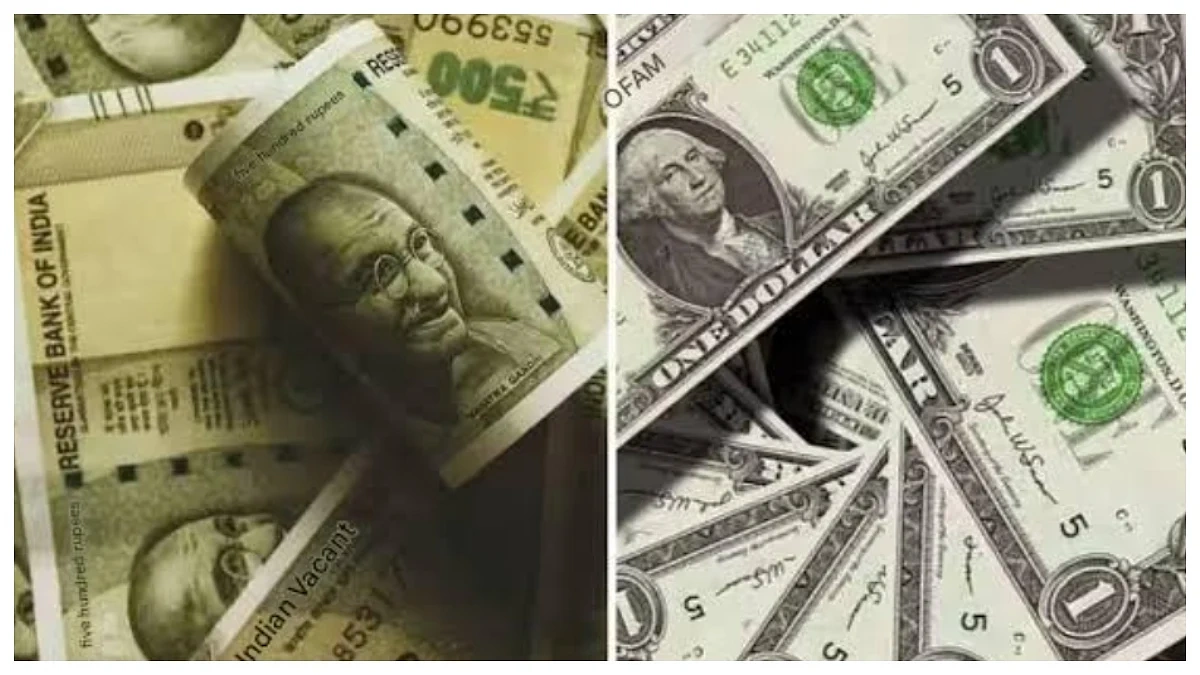
Okay, let’s talk about the rupee. Not in a dry, economics textbook way, but like we’re discussing it over chai. The rupee depreciation is something hitting everyone’s radar, and for good reason. It affects your travel plans, your online shopping, and even the price of your beloved samosas (indirectly, of course!). We’re staring down the barrel of a possible 90 vs dollar scenario, which, honestly, sounds a bit scary. But don’t panic! Let’s break down why this is happening, what it means for you, and what might happen next. I initially thought it was a simple supply-and-demand issue, but the factors at play are way more nuanced than that.
Decoding the Rupee’s Slide | The ‘Why’ Behind the Fall
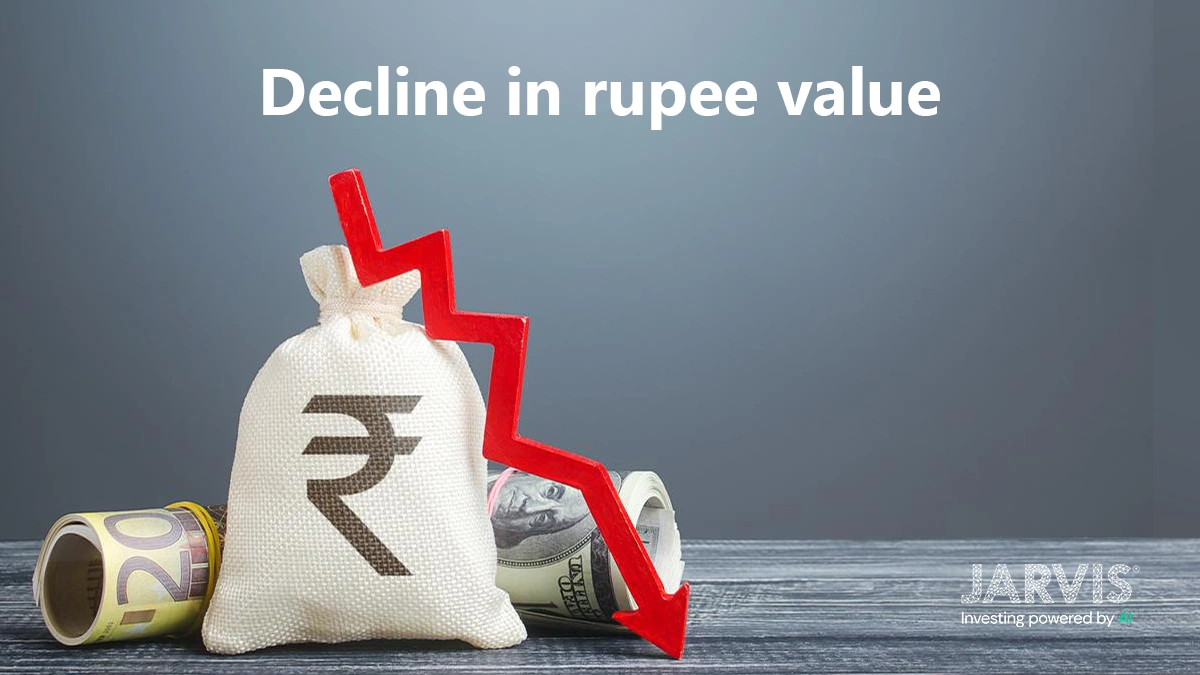
So, why is the rupee falling ? It’s not just one thing, but a cocktail of global and local factors. Think of it like this: the world’s economy is a giant seesaw, and right now, the dollar is a sumo wrestler sitting on one end. Here’s a simplified breakdown:
- Global Economic Uncertainty: This is the big one. Wars, inflation in developed economies (like the US and Europe), and fears of a global recession are making investors nervous. Nervous investors flock to safe-haven assets like the US dollar, driving up its demand and value.
- Rising Crude Oil Prices: India imports a huge amount of crude oil. When oil prices rise (due to geopolitical tensions or supply cuts), it puts pressure on the rupee as we need more rupees to buy the same amount of oil. This directly impacts our trade deficit .
- Foreign Portfolio Outflows: When foreign investors pull their money out of Indian stock markets and debt, it creates an outflow of dollars, further weakening the rupee. A common mistake I see people make is underestimating the impact of these outflows.
- US Federal Reserve Actions: The US Fed’s interest rate hikes make the dollar more attractive to investors, leading to capital flight from emerging markets like India. As per the guidelines mentioned in the information bulletin…
But, here’s the thing: the RBI (Reserve Bank of India) isn’t just sitting and watching. They’re actively intervening in the market to manage the rupee’s fall. They do this by selling dollars from their reserves to increase the supply of dollars in the market and curb the rupee volatility . But, like any medicine, intervention has its limits. Too much intervention can deplete our forex reserves.
The Ripple Effect | How Rupee Depreciation Impacts You
Okay, enough economics jargon. How does all this affect you, sitting at home? Well, in several ways:
- Expensive Imports: Anything we import, from iPhones to machine parts, becomes more expensive. This can lead to inflation, as companies pass on the higher import costs to consumers.
- Costlier Education Abroad: Planning to send your kid to study in the US or UK? The falling rupee makes it significantly more expensive. Tuition fees, living expenses – everything gets a bump.
- Impact on Travel: Your dream vacation to Europe just got pricier. The exchange rate makes everything from flights to hotels more expensive.
- Good News for Exporters: On the flip side, Indian exporters benefit. Their goods become cheaper for foreign buyers, potentially boosting exports.
Let me rephrase that for clarity: while some sectors may benefit, the overall impact on the common person leans towards increased expenses and inflationary pressures. It’s a double-edged sword, really.
Future Trends | Predicting the Rupee’s Trajectory
Predicting the future is like trying to catch smoke, but we can look at some indicators. The future of the rupee hinges on a few key factors:
- Global Economic Outlook: If the global economy stabilizes and inflation cools down, the pressure on the rupee might ease.
- RBI’s Monetary Policy: The RBI’s actions, including interest rate decisions and intervention in the forex market, will play a crucial role.
- Geopolitical Stability: A peaceful resolution to global conflicts would reduce uncertainty and support the rupee.
- India’s Economic Growth: Strong economic growth and reforms can attract foreign investment and strengthen the rupee.
What fascinates me is how interconnected everything is. The global financial markets , seemingly distant, have a direct impact on your pocket. It’s a complex web, and understanding the basics is crucial. While sources suggest a specific time, the official confirmation is still pending. It’s best to keep checking the official portal.
Strategies to Navigate Rupee Depreciation
So, what can you do to protect yourself from the impact of a falling rupee? Here are a few strategies:
- Diversify Investments: Don’t put all your eggs in one basket. Consider investing in different asset classes, including international funds. Diversifying investments can help mitigate risks.
- Plan Travel Wisely: If you’re planning a trip abroad, book your flights and accommodation in advance to lock in prices. Consider traveling during the off-season when prices are lower.
- Review Your Budget: With rising prices, it’s essential to review your budget and cut down on unnecessary expenses.
The one thing you absolutely must double-check is your financial plan. Are you prepared for potential inflation and increased expenses? If not, now’s the time to make adjustments. And remember, knowledge is power. The more you understand about the economy, the better equipped you’ll be to make informed decisions. According to the latest circular on the official NTA website (csirnet.nta.nic.in)…
The impact on Indian economy is something to watch, so don’t panic, and instead learn how to ride the waves and plan for the future.
Navigating Forex Fluctuations and the Indian Economy
The relationship between forex reserves and the strength of the rupee is vital. A healthy level of forex reserves provides the RBI with the ammunition to intervene effectively in the market, cushioning the rupee from sharp declines. The RBI meticulously manages these reserves, strategically deploying them to stabilize the currency and maintain economic stability. Understanding how these reserves are utilized offers crucial insights into the overall health and resilience of the Indian economy.
Moreover, the interplay between inflation and exchange rates should not be underestimated. A weaker rupee can lead to imported inflation, which is particularly felt in sectors heavily reliant on imports. As the cost of these goods rises, consumers often face higher prices, affecting purchasing power and potentially leading to decreased demand. Therefore, keeping a vigilant eye on inflationary trends becomes crucial for consumers and businesses alike in a depreciating rupee scenario.
Stay informed and agile in responding to these economic shifts, can make a significant difference in navigating personal and financial challenges.
FAQ Section
Frequently Asked Questions
What if the rupee falls to 100 against the dollar?
While it’s impossible to predict with certainty, a fall to 100 would likely exacerbate the issues mentioned above, leading to even higher import costs and inflationary pressures. The RBI would likely intensify its intervention, but the effectiveness would depend on various global factors.
How does rupee depreciation affect NRIs?
For Non-Resident Indians (NRIs), a weaker rupee can be a mixed bag. On one hand, their remittances to India become more valuable in rupee terms. On the other hand, if they plan to return to India, the cost of assets like property might seem higher.
Is there anything the government can do to strengthen the rupee?
Yes, the government can take several measures, including attracting more foreign investment, promoting exports, reducing the fiscal deficit, and implementing structural reforms to boost economic growth.
Will the RBI keep intervening to protect the rupee?
The RBI is likely to continue intervening to manage the rupee’s volatility, but the extent of intervention will depend on the overall economic situation and the level of forex reserves. They need to strike a balance between supporting the rupee and preserving reserves.
How often does the rupee’s value change?
The rupee’s value fluctuates constantly throughout the day, based on market forces, global events, and investor sentiment. You can track the exchange rate on various financial websites and news platforms.
So, there you have it – a not-so-brief, but hopefully insightful, look at the rupee’s fall and its implications. It’s a complex issue, but understanding the basics can empower you to make informed decisions and navigate the economic landscape with greater confidence.