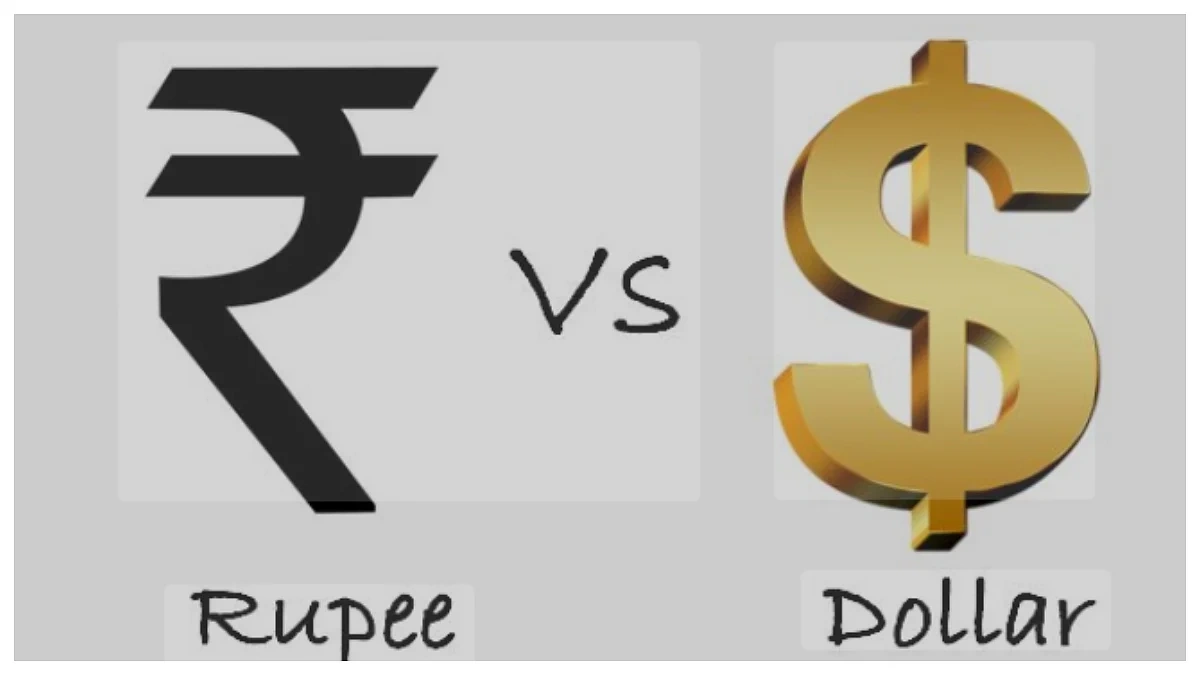
The rupee crash . It’s a phrase that sends shivers down the spines of economists, business owners, and even the average person trying to make ends meet. But what does it really mean for you? And more importantly, what’s causing this sudden dip? Let’s be honest, financial news can often feel like a foreign language. So, let’s decode this together, shall we? This isn’t just about numbers on a screen; it’s about the real-world impact on your wallet.
Decoding the Rupee’s Fall | More Than Just Numbers
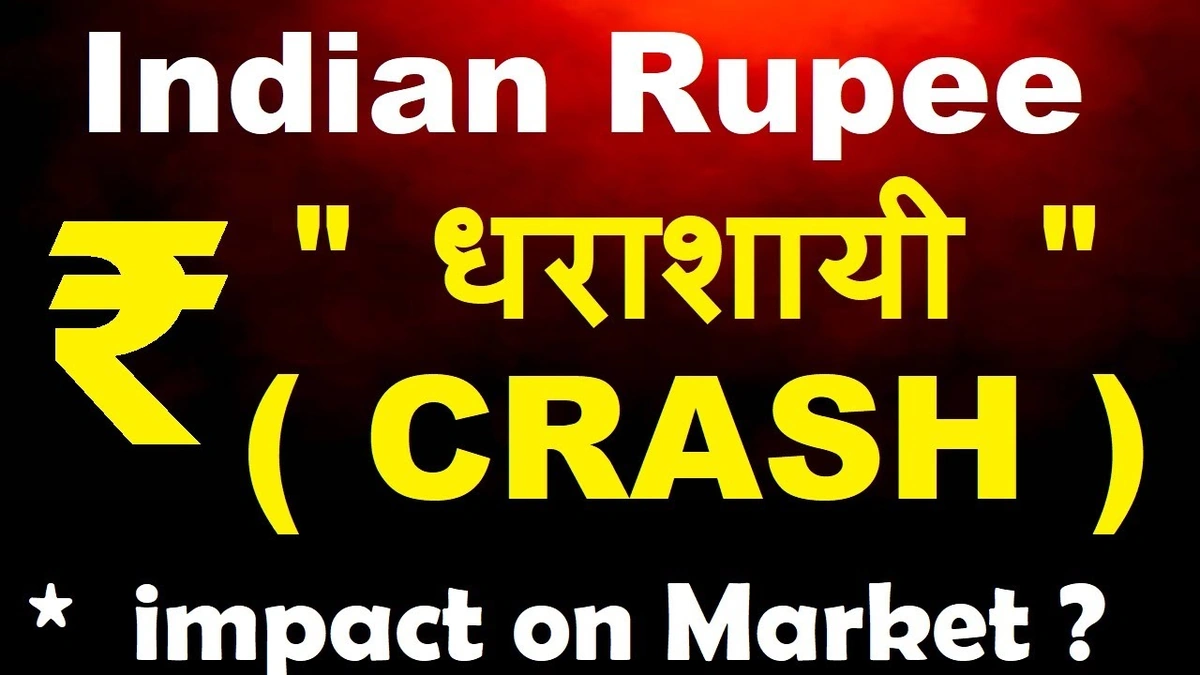
So, the Indian rupee has taken a tumble, hitting an all-time low against the US dollar. It’s the biggest single-day drop in the last three months. But why now? What forces are at play? I initially thought this was a simple case of global market fluctuations, but there’s more to it than meets the eye. A primary driver is the strengthening US dollar. As the US Federal Reserve continues to hike interest rates to combat inflation, the dollar becomes more attractive to investors globally. This increased demand for dollars puts downward pressure on other currencies, including the rupee. Think of it like a seesaw: when one side goes up, the other has to come down. This is connected to global economic trends , and we see similar patterns in other emerging markets.
Another factor is the ongoing geopolitical uncertainty. The war in Ukraine, supply chain disruptions, and rising oil prices are all contributing to a volatile global economic environment. India, being a major importer of oil, is particularly vulnerable to these fluctuations. The higher the oil prices, the more dollars India needs to purchase it, further weakening the rupee. It’s a complex web of interconnected factors that ultimately culminate in what we’re seeing today – the rupee depreciation .
The Ripple Effect | How a Weak Rupee Impacts You
Okay, so the rupee is down. Big deal, right? Wrong. Here’s the thing: a weaker rupee has a cascading effect on various aspects of the Indian economy, ultimately impacting your daily life. One of the most immediate effects is on imported goods. As the rupee weakens, imports become more expensive. This means everything from electronics and automobiles to raw materials used in manufacturing will cost more. Businesses will likely pass these increased costs onto consumers, leading to higher prices for everyday goods. It affects everyone from the owner of a large tech firm to the local shopkeeper.
Furthermore, a weaker rupee can fuel inflation. Since India imports a significant portion of its energy needs, a weaker rupee makes oil imports more expensive, contributing to higher fuel prices. This, in turn, can lead to an increase in transportation costs, further driving up inflation. It’s a vicious cycle, and it requires careful management by the Reserve Bank of India (RBI) to mitigate its impact. As per the latest reports, the RBI intervention is expected to stabilize the situation, but the effectiveness of these measures remains to be seen. But the good news? Indian exports become more competitive. Indian businesses can sell their goods and services at lower prices in international markets, potentially boosting exports and economic growth. Of course, this benefit is often offset by the increased cost of imports, especially for businesses that rely heavily on imported raw materials.
RBI’s Balancing Act | Navigating the Currency Crisis
So, what’s the RBI doing about all this? Let me rephrase that for clarity: What can the RBI do? The RBI has a few tools at its disposal to manage the rupee’s value . One of the most common is intervention in the foreign exchange market. This involves the RBI selling dollars from its reserves to buy rupees, thereby increasing demand for the Indian currency and supporting its value. However, this is a delicate balancing act. The RBI needs to ensure that it doesn’t deplete its foreign exchange reserves too quickly, as this could further erode investor confidence. The forex reserves are crucial for maintaining financial stability. Another tool is adjusting interest rates. By raising interest rates, the RBI can attract foreign investment, which increases demand for the rupee and helps to stabilize its value. However, higher interest rates can also dampen economic growth, as they make borrowing more expensive for businesses and consumers. It’s a tough call, and the RBI needs to carefully weigh the pros and cons before making any decisions. It is predicted that thefuture of rupeewill be stable.
Strategies to Shield Your Finances During a Rupee Downturn
Now, let’s get practical. What can you do to protect your finances during a currency depreciation ? I initially thought this was a question with no easy answers, but there are actually several steps you can take. If you’re planning an overseas trip, consider purchasing foreign currency now, before the rupee weakens further. This will help you avoid paying a higher exchange rate later. Another option is to diversify your investments. Don’t put all your eggs in one basket. Consider investing in assets that are denominated in other currencies, such as international stocks or bonds. This can help to protect your portfolio from the impact of a weaker rupee. For businesses, it’s essential to hedge your currency risk. This involves using financial instruments to protect against fluctuations in exchange rates. There are several hedging strategies available, and it’s important to consult with a financial advisor to determine the best approach for your specific needs. The dollar rate today plays a key role in the long term investment and savings. What fascinates me is how interconnected everything is!
The Long Game | India’s Economic Resilience
It’s important to remember that currency fluctuations are a normal part of a market economy. The impact of rupee fall can be mitigated by wise financial decisions. While the current situation may seem concerning, India has a proven track record of economic resilience. Over the years, the Indian economy has faced numerous challenges, from global financial crises to domestic policy shocks. And each time, it has emerged stronger and more resilient. This is largely due to India’s strong fundamentals, including a large and growing domestic market, a diversified economy, and a relatively stable political system. India is also benefiting from a demographic dividend, with a large and young workforce. This provides a significant competitive advantage in the global economy. So, while the rupee’s recent decline is a cause for concern, it’s not a reason to panic. By taking appropriate measures and maintaining a long-term perspective, India can weather this storm and continue on its path to economic growth. We should also follow the global market trends closely in order to forecast the economic changes.
FAQ
Frequently Asked Questions
What exactly does it mean when the rupee hits an all-time low?
It means the rupee’s value against the US dollar (or another currency) is lower than it has ever been before. It takes more rupees to buy one dollar.
What if I’m planning to study abroad? How does this affect me?
Studying abroad becomes more expensive, as you’ll need more rupees to cover tuition, living expenses, and other costs.
Is there a way for NRIs to benefit from the rupee’s fall?
Yes, NRIs sending money back home can send less dollars than previously, and their families will receive the same amount in Rupees.
What if I have investments in the stock market?
The impact on the stock market can be mixed. Some export-oriented companies may benefit, while others that rely on imports may suffer. It’s best to consult with a financial advisor.
Will gold prices increase because of the rupee fall?
Likely, yes. Since India imports a lot of gold, a weaker rupee makes it more expensive to import, potentially leading to higher gold prices domestically.
What are the long-term predictions for the Indian Rupee?
Predicting currency movements is tricky. Factors like global economic conditions, government policies, and investor sentiment all play a role. It’s crucial to stay informed and consult with financial experts.