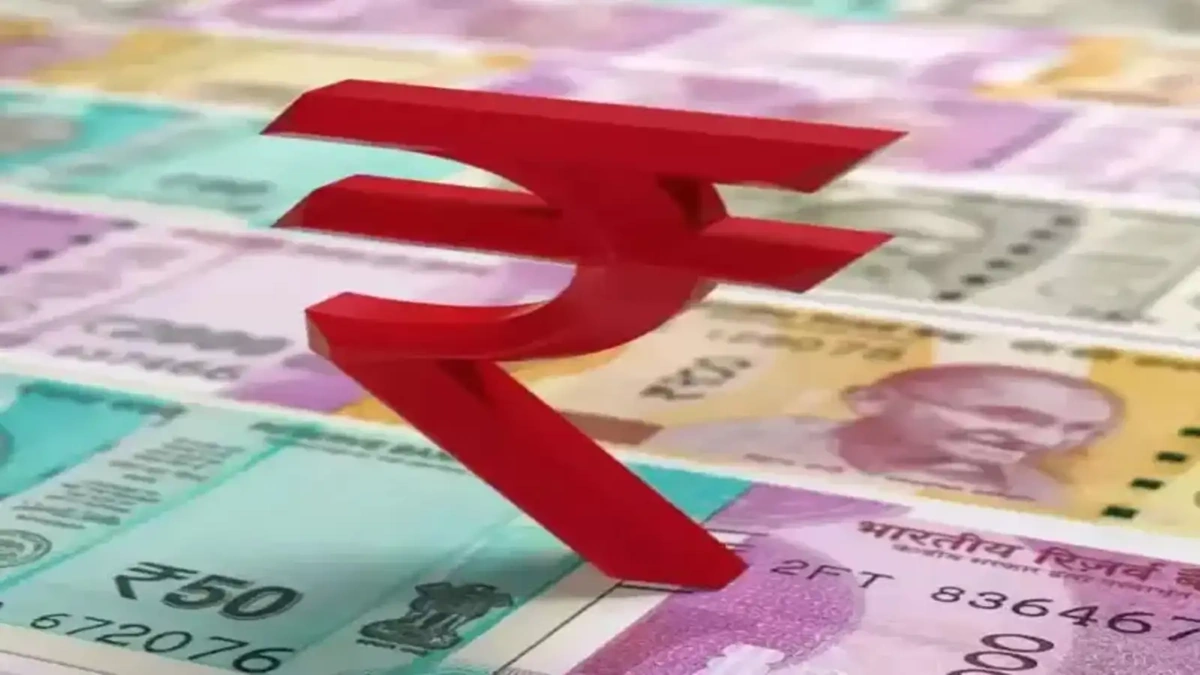
Okay, let’s talk about something that’s probably not on your Bollywood radar, but should be: the rupee crash . I know, economics, right? Sounds about as exciting as watching paint dry. But here’s the thing – a weak rupee impacts everything, from your grocery bills to your dreams of that Swiss vacation. And its effects ripple through all sectors.
So, the rupee has taken a nosedive, hitting a new low of ₹90 against the dollar. That’s… significant. What fascinates me is the relative silence from Bollywood. We hear them loud and clear on everything else. Why not this? It’s their industry that has to navigate global film markets, film festivals, and international collaborations. Perhaps there’s more here than meets the eye.
Why Should You Care About the Rupee’s Fall? (Beyond the Headlines)

Let’s be honest, most news outlets will just throw numbers at you. But I’m interested in what is going on behind the scenes. It is the practical implications. The falling rupee isn’t just an abstract financial concept. It is very real.
A weaker rupee means imports become more expensive. Think of oil – India imports a massive amount of its oil. A pricier oil translates to higher petrol and diesel prices, which then drives up transportation costs for everything else. This, in turn, causes general inflation , squeezing your wallet. That imported cheese you love? Prepare to pay more. Your phone will most likely cost more too.
But it is not only about that. For those with kids studying abroad, the rupee’s depreciation is a harsh reality check. Education expenses, already a significant burden, suddenly become even more daunting. It’s like adding an extra layer of tax on their dreams.Currency depreciationcan alter life goals.
And, before you think it only affects consumers, consider Indian businesses. While exporters might initially benefit from a weaker rupee (their goods become cheaper for foreign buyers), many rely on imported raw materials or components. So, any gains could easily be offset by higher input costs. The Indian economy is a complex web, and a falling rupee tugs at many threads.
Bollywood’s Forex Exposure | A Silent Struggle?
Here’s where Bollywood comes in. The Indian film industry is increasingly global. They’re shooting in exotic locations, collaborating with international artists, and targeting overseas audiences. All these transactions involve foreign exchange.
A weaker rupee can significantly inflate production budgets. Think about it: location rentals in dollars or euros, payments to foreign crew members, and even the cost of importing specialized equipment – all become more expensive when the rupee weakens. This can put a strain on smaller production houses and independent filmmakers, potentially limiting their ability to create compelling content. So while actors and producers may still be wealthy, the viability of the whole Bollywood ecosystem is at stake.
Furthermore, Bollywood’s overseas earnings, when converted back to rupees, might seem higher. But this boost can be deceptive. If the industry isn’t proactive in hedging against currency fluctuations , those gains can quickly evaporate. It’s a high-stakes game of forex roulette.
I initially thought Bollywood’s silence was apathy. But I realized that they are facing the same challenges as everyone else. So perhaps they’re silent because they’re trying to figure out their own strategies in the face of the falling rupee. Maybe its just that they don’t have any easy answers.
Strategies to Navigate the Rupee’s Instability
Okay, so the rupee’s down. What can you actually do about it? You can’t single-handedly prop up the entire Indian Rupee . But there are some things you can do to protect yourself and your finances.
Firstly, if you have any major foreign currency expenses coming up (like that international trip or education fees), consider buying the currency in advance. This is called hedging. A common mistake I see people make is waiting until the last minute, hoping the rupee will magically strengthen. But that’s often a gamble you’ll lose.
Secondly, diversify your investments. Don’t put all your eggs in one basket. Consider investing in assets that are less correlated with the rupee, such as gold or international stocks. Now, I am not a financial advisor; this is purely for informational purposes. Before making financial decision, consult a professional.
Thirdly, for businesses, explore hedging strategies to minimize your exposure to currency fluctuations. There are various financial instruments available, such as forward contracts and currency options, that can help you lock in exchange rates. This may not be available to everyone, so look for expert advice.
And finally, stay informed. Keep an eye on economic news and analysis to understand the factors driving the rupee’s movements. This will help you make more informed decisions about your finances. In times like these, knowledge is power.
Is the RBI Intervening? The Role of the Central Bank
The Reserve Bank of India (RBI) isn’t just sitting back and watching the rupee plummet. It plays a crucial role in managing the currency’s value. One way the RBI intervenes is by selling dollars from its foreign exchange reserves to buy rupees. This increases the demand for rupees, which can help to prop up its value. As per reports, the RBI intervention has had limited success.
However, the RBI has to tread carefully. Aggressively selling dollars can deplete its reserves, which can have other negative consequences for the economy. The RBI also uses other tools, such as adjusting interest rates, to influence the rupee’s value. Higher interest rates can attract foreign investment, which increases demand for the rupee and can help to strengthen it.
According to theRBI‘s official statements, the central bank is committed to maintaining stability in the foreign exchange market. But its actions are often a balancing act between supporting the rupee and managing other economic priorities. It’s a complex game of chess, and the RBI is constantly trying to anticipate the next move.
What’s Next for the Rupee? Uncertainties and Predictions
Predicting the future of the rupee is like trying to predict the weather – it’s inherently uncertain. Many factors can influence its value, including global economic conditions, geopolitical events, and domestic economic policies. This creates an element of financial uncertainty. As per financial experts, the future of Indian Rupee remains uncertain. But all indicators point towards a continued depreciation.
Some analysts believe that the rupee will continue to weaken in the short term, potentially hitting ₹92 or even ₹95 against the dollar. Others argue that the RBI’s interventions and a potential improvement in global economic conditions could help to stabilize the currency.
Ultimately, the rupee’s trajectory will depend on a complex interplay of factors. But one thing is clear: it’s a topic that deserves our attention. Whether you’re a Bollywood star, a business owner, or just an average Indian, the rupee’s movements affect your financial well-being.
FAQ Section
Frequently Asked Questions
Will the rupee ever recover?
It might! Currency values fluctuate. Economic changes, policy shifts, or global events could strengthen the rupee again.
How does a weak rupee affect students studying abroad?
Their expenses increase significantly as they need more rupees to pay for tuition and living costs in foreign currency.
Can I benefit from a falling rupee?
If you’re an exporter, yes. Your goods become cheaper for foreign buyers, potentially boosting your sales.
What is the government doing about it?
The RBI intervenes by selling dollars and adjusting interest rates to manage the rupee’s value, but it’s a complex balancing act.
Should I convert all my rupees to dollars?
That depends on your financial situation. Diversifying your investments is generally a better strategy than panicking.
Is a weak rupee good or bad for India?
It’s a mixed bag. Good for exporters, bad for importers and those with foreign currency debts. It also leads to inflation.
So, the next time you see headlines about the rupee’s fall, remember that it’s not just a dry economic statistic. It’s a story that affects all of us, directly or indirectly. And perhaps, if we pay closer attention, Bollywood will break its silence too. What’s clear is that in this environment, one must constantly stay informed to make smart financial decisions. And remember, this isn’t just about money; it’s about our collective economic future. And that is something worth talking about.
This article connects well with Reliance Group Shares Plungeand Novelis Factory Fire.