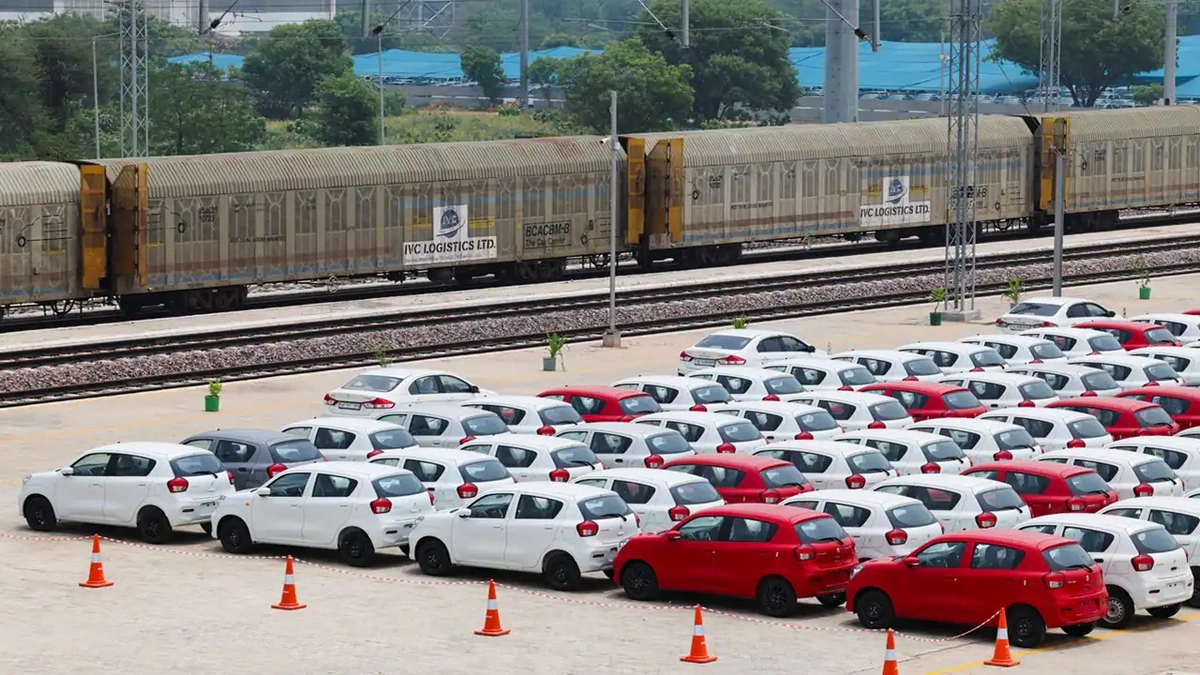
October was a banger for the Indian auto industry! We saw record auto sales , hitting a staggering 4.7 lakh units. Now, you might be thinking, “Okay, that’s a big number, but why should I care?” That’s exactly what we are going to explore. Let’s dive deep into why this surge happened, what it means for you, and what we can expect in the coming months. Forget the generic news reports – this is the real story, explained like we’re catching up over coffee.
The Perfect Storm | Festivals, GST Cuts, and Pent-Up Demand

So, 4.7 lakh cars sold in a single month – what fuelled this frenzy? It’s a cocktail of factors, really. First, let’s talk about the festive season. Diwali, Dussehra – these are times when buying new things is considered auspicious. And for many Indian families, a car is a major purchase they plan around these festivals. But that’s not all.
The government’s GST cuts on vehicles played a huge role too. Lower taxes mean lower prices, making cars more affordable for a larger segment of the population. Think of it as a ‘buy one, get happiness free’ deal! These tax benefits are meant to encourage buying new vehicles. But there is also the concept of pent-up demand. For almost two years, because of supply chain issues and the pandemic, it was difficult to purchase new vehicles.
Then there’s the pent-up demand . Lockdowns and economic uncertainty had put a pause on big purchases for many. As things started to normalize, people were eager to upgrade their vehicles or finally buy that dream car they had been eyeing.
The “Why” | Decoding the Deeper Implications
Here’s where things get interesting. This isn’t just about numbers; it’s about what these numbers mean. This spike in vehicle sales tells us a few crucial things about the Indian economy. First, it signals a resurgence in consumer confidence. People are more willing to spend on big-ticket items, which indicates a positive outlook on their financial future. What fascinates me is that people are also willing to invest in their personal safety and comfort by purchasing new vehicles.
Second, it highlights the effectiveness of government policies. The GST cuts clearly worked in incentivizing purchases. This could prompt further policy interventions to boost other sectors as well. Also, increased auto sales directly translates to increased revenue for the government through taxes and registration fees, creating a positive feedback loop. But, it also presents challenges.
The surge in demand can strain supply chains, leading to longer waiting periods and potentially impacting customer satisfaction. Moreover, increased vehicle ownership adds to traffic congestion and pollution, necessitating better infrastructure and stricter emission controls. These automotive trends highlight the need for a balanced approach, where economic growth is aligned with sustainable development. Now that market momentum is increasing, the automotive sector should be able to continue this trend.
Electric Vehicle Surge and Future Trends
And speaking of the future, let’s not forget the electric vehicle (EV) revolution. While petrol and diesel cars still dominate the market, EVs are steadily gaining traction. With rising fuel prices and increasing awareness about environmental issues, more and more people are considering EVs as a viable alternative. Government subsidies and incentives are further accelerating this shift. What’s really exciting is the innovation happening in the EV space, with new models, improved battery technology, and expanding charging infrastructure.
Electric vehicle sales contributed significantly to the overall growth, showcasing a growing consumer preference for eco-friendly options. The availability of diverse EV models, coupled with government incentives and increased awareness, propelled the adoption of electric vehicles across various segments. Looking ahead, the automotive industry is expected to witness a continued shift towards sustainable mobility solutions.
Experts predict that EVs will account for a significant portion of new car sales in the coming years, transforming the automotive landscape. This transition will require substantial investments in charging infrastructure, battery production, and skilled workforce development. What I initially thought was a distant dream now seems like a tangible reality, reshaping the way we commute and reducing our carbon footprint. This shift to EVs will also generate new job opportunities, attract investments, and position India as a global hub for electric vehicle manufacturing and innovation. There are a lot of benefits to this transition.
Impact on the Used Car Market
You might think that record new car sales would negatively impact the used car market. But here’s the thing: a thriving new car market often fuels the used car market. People trade in their old cars to buy new ones, increasing the supply of used cars. This makes used cars more affordable and accessible to a wider range of buyers. Plus, with the increasing cost of new cars, many people are opting for used cars as a more budget-friendly option. It’s a win-win situation for both buyers and sellers.
The used car market benefits from increased supply, affordability, and a wider range of options for consumers. Used car platforms are also offering warranties and certified inspections, enhancing buyer confidence and trust. Also, the demand for reliable transportation options continues to drive activity in the used car market, especially among budget-conscious consumers. These trends indicate a healthy and resilient used car market, complementing the growth in new car sales. What fascinates me is the evolution of the used car market.
And with the rise of online platforms and dealerships, buying and selling used cars has become more convenient and transparent than ever before. It’s no longer the shady business it once was – you can now find certified used cars with warranties and financing options, just like buying a new car. The used car market really provides opportunity for a lot of potential consumers.
FAQ About the Auto Sales Surge
Frequently Asked Questions (FAQs)
Will the GST cuts continue?
That’s the million-dollar question! While the current GST rates have certainly boosted sales, there’s no guarantee they’ll continue indefinitely. Keep an eye on government announcements and policy changes.
Are these sales figures sustainable?
It’s unlikely that we’ll see this level of automobile sales every month. However, the underlying factors – consumer confidence, festive season, and government policies – suggest a positive outlook for the auto industry in the near future.
What if I’m planning to buy a car? Is now a good time?
If you’ve been considering buying a car, now might be a good time to take the plunge. With potential discounts and financing options available, you could snag a great deal.
Will this increase in auto sales lead to more traffic congestion?
Unfortunately, yes. More cars on the road mean more traffic. This is why it’s crucial to invest in better infrastructure and promote public transportation to mitigate congestion.
Are electric cars really worth the hype?
EVs have many upsides, including lower running costs and environmental benefits. They also have some downsides such as higher upfront costs and limited charging infrastructure. Whether an EV is right for you depends on your individual needs and preferences.
What does this mean for auto industry employees?
Increased auto sales are generally good news for auto industry employees. It can lead to more job opportunities, higher wages, and improved job security.
The Road Ahead | Navigating the Future of Auto Sales in India
The Indian auto industry is at a fascinating crossroads. We’re seeing a surge in demand, a shift towards EVs, and a dynamic used car market. The key to sustained growth lies in balancing economic progress with environmental sustainability, investing in infrastructure, and adapting to changing consumer preferences. But here’s the real takeaway: this isn’t just about cars; it’s about India’s economic story. And right now, that story is looking pretty good.