Okay, let’s be real. When you first hear that OpenAI , the folks behind the mind-blowing ChatGPT and DALL-E, are teaming up with Foxconn – yes, the iPhone people – to build AI hardware infrastructure right here in the US, your brain probably does a little double-take. It’s not just news; it’s a signal. A signal that the AI race is heating up, and everyone’s scrambling for position. But why this partnership? And why now? That’s what we’re diving into today, ditching the surface-level reporting for some real analysis.
The ‘Why’ | Decoding the OpenAI-Foxconn Alliance

Here’s the thing: OpenAI isn’t just a software company anymore. They’re not content with simply creating the algorithms; they want to control the entire stack, from the code to the silicon. Why? Control, efficiency, and a competitive edge, plain and simple. Think about it: relying on third-party hardware means being at their mercy regarding performance, availability, and, crucially, cost. And in the cutthroat world of AI development, every millisecond counts.
Foxconn, on the other hand, brings decades of manufacturing experience to the table. They know how to churn out hardware at scale, efficiently and (relatively) cheaply. This isn’t just about building servers; it’s about optimizing them specifically for AI workloads . And, let’s not forget, doing it in the US ticks all the boxes for supply chain security and government incentives.
I initially thought this was just about sheer computing power, but then I realized it’s much deeper than that. It’s about creating a vertically integrated AI powerhouse . OpenAI gets its dedicated hardware, Foxconn diversifies its portfolio into the high-growth AI sector, and the US gets a boost in its tech competitiveness. Everybody wins, right?
The Implications for India | A Geopolitical Chess Move
So, what does this OpenAI – Foxconn deal mean for us in India? Well, it’s a multi-layered answer. Firstly, it highlights the escalating global competition in AI. The US is making a clear statement about its intent to dominate this space, and this partnership is a key move. India, with its own burgeoning AI ambitions, needs to pay close attention. We need to be thinking about our own strategic partnerships and investments in AI infrastructure.
Secondly, it could indirectly impact the availability and cost of AI services in India. As OpenAI gains greater control over its hardware, it could translate to more efficient and affordable access to their AI models for Indian developers and businesses. However, it could also mean a greater focus on the US market initially, potentially creating a temporary disadvantage for India.
And, let’s be honest, there’s a talent angle here too. The more AI infrastructure is built in the US, the more opportunities it creates for US-based AI researchers and engineers. India needs to ensure it remains an attractive destination for AI talent, with its own cutting-edge research and development opportunities.
Beyond the Hype | What Kind of AI Hardware Are We Talking About?
Okay, so we’re talking about AI hardware infrastructure , but what exactly does that mean? We’re not just talking about your run-of-the-mill servers. We’re talking about specialized hardware optimized for the unique demands of AI workloads, particularly deep learning. Think powerful GPUs (Graphics Processing Units), specialized ASICs (Application-Specific Integrated Circuits), and high-bandwidth memory.
The buzz word here is likely to be neural network acceleration. These chips are designed to perform the massive matrix multiplications that are at the heart of deep learning algorithms, enabling faster training and inference. Foxconn’s manufacturing prowess combined with OpenAI’s AI expertise could lead to some seriously innovative hardware designs.
What fascinates me is the potential for customized hardware. OpenAI isn’t just going to buy off-the-shelf components; they’re likely to work with Foxconn to design hardware specifically tailored to their AI models. This level of optimization could unlock significant performance gains, giving them a distinct competitive advantage.
Why Supply Chain Resilience Matters
In today’s geopolitical climate, supply chain resilience is no longer a nice-to-have; it’s a must-have. The pandemic exposed the fragility of global supply chains, and the ongoing tensions between the US and China have only amplified these concerns. By building AI hardware infrastructure in the US, OpenAI is reducing its reliance on potentially vulnerable supply chains.
This isn’t just about national security; it’s also about business continuity. Imagine if OpenAI’s access to critical hardware was disrupted due to geopolitical events or trade disputes. It would cripple their ability to develop and deploy AI models, costing them billions of dollars and potentially ceding ground to competitors.
Building a domestic AI hardware ecosystem also creates jobs and stimulates economic growth in the US. It’s a strategic move that has both economic and national security implications.
The Future of AI | Hardware is the New Software
I initially thought that AI was all about algorithms and data, but I’ve come to realize that hardware is just as crucial. In fact, I’d argue that hardware is becoming the new software. As AI models become more complex and demanding, the hardware that powers them will become increasingly important.
The OpenAI -Foxconn partnership is a sign of things to come. We’re likely to see more and more AI companies investing in their own hardware infrastructure, either through partnerships or by building their own chip design capabilities. The future of AI is not just about software; it’s about the seamless integration of software and hardware, creating a holistic and optimized AI ecosystem. Ford’s investment in Chennai, for instance, reflects this growing trend of technological integration and localized innovation.
The bottom line? This partnership is a big deal. It signals a shift in the AI landscape, with hardware taking center stage. For India, it’s a wake-up call to invest in our own AI infrastructure and ensure we don’t get left behind in this global race. And remember, the future of AI isn’t just about what algorithms we create; it’s about the machines we build to power them.
FAQ Section
What exactly will OpenAI and Foxconn be building?
They will be building AI hardware infrastructure , likely including specialized servers with powerful GPUs and ASICs optimized for AI workloads.
Why is OpenAI doing this?
To gain greater control over its hardware supply chain, improve efficiency, and gain a competitive edge in the AI race.
How will this affect India?
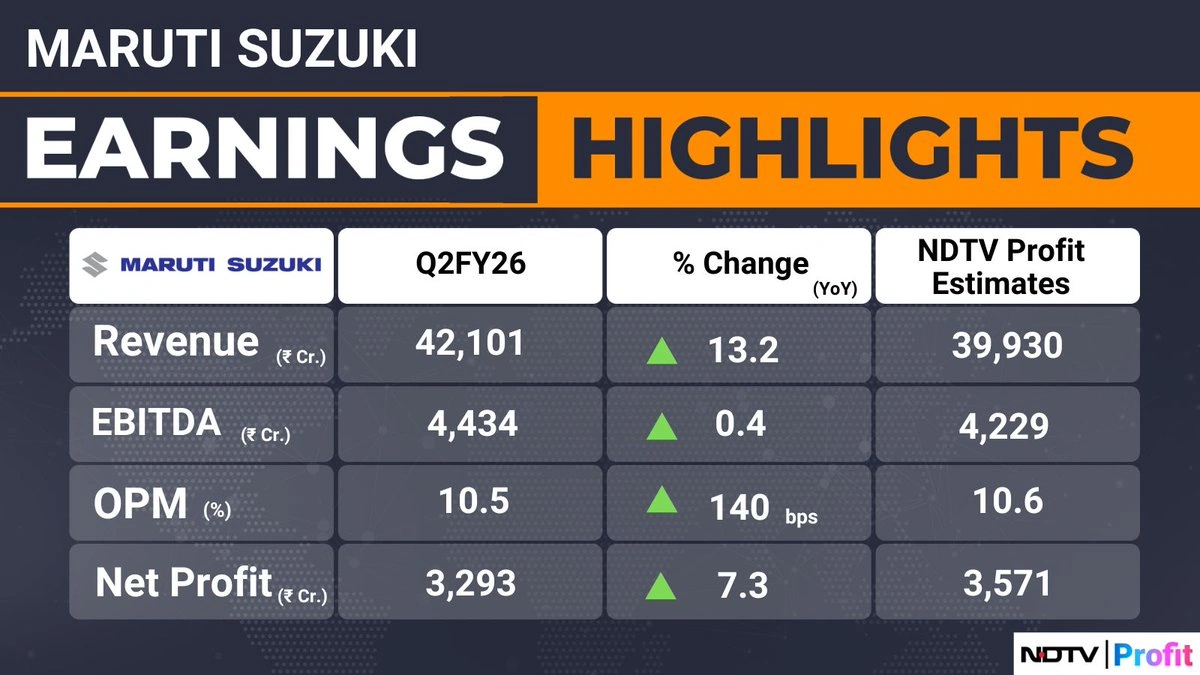
It highlights the increasing global competition in AI and could indirectly impact the availability and cost of AI services in India. Maruti Suzuki’s Profit Qalso points to the competitive pressures influencing various industries, underscoring the need for strategic innovation.
Is this a good thing for the US?
Yes, it strengthens the US’s position in the AI race, creates jobs, and improves supply chain resilience.
Could this lead to even more powerful AI?
Potentially, yes. Optimized hardware can unlock significant performance gains, enabling the development of more complex and powerful AI models.
What kind of investment are we talking about?
The specifics haven’t been disclosed, but it’s likely to be a multi-billion dollar investment given the scale of the project. This kind of venture showcases significant financial commitment to advancing AI infrastructure.