The buzz around the Meesho IPO is palpable. Everyone’s talking about it – from seasoned investors to your neighbour who just discovered the stock market. But let’s be real, is it all justified? Are we looking at another Lenskart or Physics Wallah situation, where the initial hype might not translate into long-term gains? That’s the question that’s been bugging me, and honestly, it should be bugging you too.
Why This IPO Matters (And Why It Might Not)
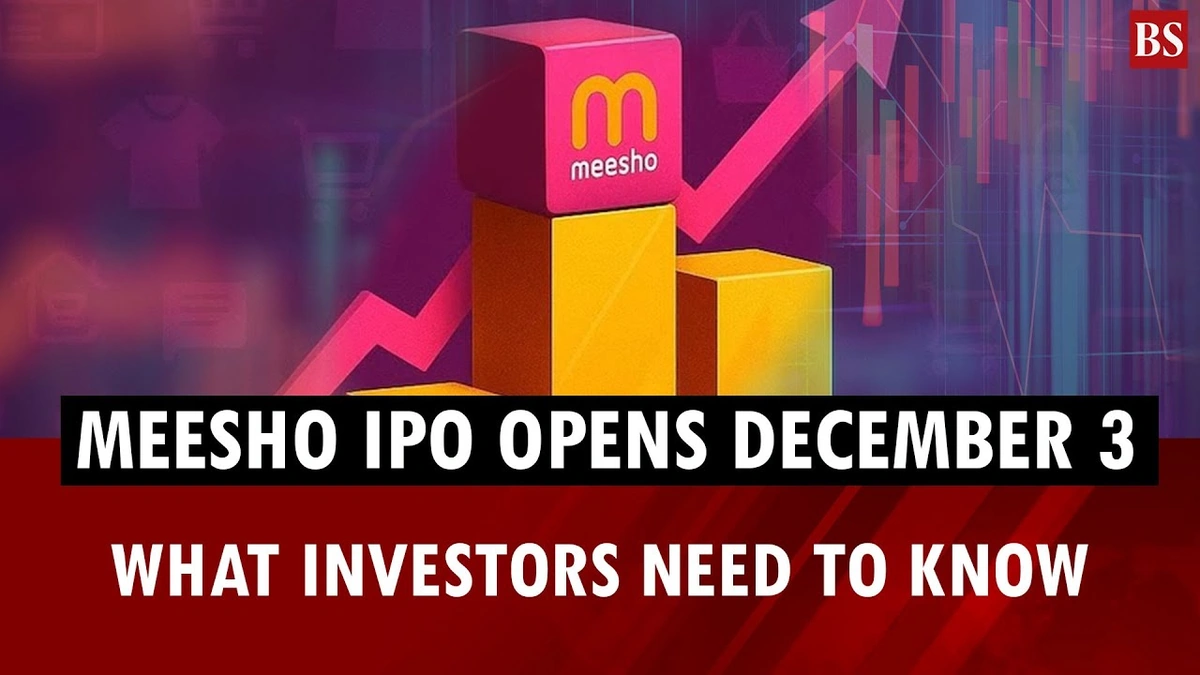
Here’s the thing: IPO valuations aren’t pulled out of thin air, but they often feel like it. There’s a lot of speculation, future projections, and, let’s be honest, a healthy dose of hoping for the best. When a company like Meesho, with its massive user base and ambitions to dominate the Indian e-commerce landscape, announces its IPO, it sends ripples through the market. It’s a signal of India’s growing digital economy, sure, but it’s also a test of whether the company’s actual performance can live up to the hype.
The big question is, how sustainable is Meesho’s growth? They’ve built a phenomenal network of resellers, particularly in Tier 2 and Tier 3 cities. But can they maintain that edge against giants like Amazon and Flipkart, who are also aggressively targeting these markets? And what about profitability? That’s the elephant in the room that everyone seems to be tiptoeing around. Can Meesho turn its impressive GMV (Gross Merchandise Value) into actual, sustainable profits?
And let’s not forget the comparisons to Lenskart and Physics Wallah. Both had their moments of glory, but the market’s been turbulent. The valuation gap in the market is real and IPOs are often overpriced. These situations serve as cautionary tales, reminding us that a catchy business model and rapid growth don’t automatically guarantee long-term success. Investors need to dig deeper, scrutinize the financials, and understand the underlying risks before jumping on the bandwagon.
The Reseller Model | A Double-Edged Sword
Meesho’s reseller network is its USP (Unique Selling Proposition). It’s what sets them apart. It’s ingenious, really – empowering individuals, particularly women, to start their own businesses and tap into a vast, untapped market. But here’s the rub: relying heavily on resellers also presents unique challenges.
First, there’s the issue of quality control. When you have thousands of independent resellers, maintaining consistent product quality becomes a logistical nightmare. Customers might receive different products, experience varying levels of service, and that can damage the brand’s reputation. Second, there’s the question of reseller loyalty. These individuals are essentially micro-entrepreneurs. What’s to stop them from jumping ship to a competitor who offers better commissions or a more attractive product range?
And then there’s the customer acquisition cost . While Meesho has done a commendable job of reaching new customers through its reseller network, acquiring those customers isn’t free. There are marketing expenses, incentives for resellers, and the cost of maintaining the platform itself. All of that eats into the bottom line. So, while the reseller model has been instrumental in Meesho’s growth, it’s crucial to understand the potential downsides and how the company plans to address them.
Decoding the Financials | Profitability or Just Growth?
Let’s get down to brass tacks: the financials. This is where things get interesting. Meesho has undoubtedly achieved impressive growth in terms of GMV and user base. But growth alone isn’t enough. Investors want to see a clear path to profitability, and that’s where the questions arise. What fascinates me is the trend of growth over profitability metrics of these unicorn startups.
The company has been burning cash to fuel its expansion, offering discounts and incentives to attract customers and onboard resellers. That’s a common strategy for startups in the growth phase, but it can’t go on forever. At some point, the company needs to demonstrate that it can generate sustainable profits. That means increasing revenue, reducing costs, and improving operational efficiency. The problem with IPOs is they increase regulatory and compliance burden.
So, what should you look for in Meesho’s financials? Pay close attention to metrics like revenue growth, gross margin, operating expenses, and net profit (or loss). Are revenues growing faster than expenses? Is the gross margin improving over time? Is the company making progress towards reducing its losses? These are the key indicators that will tell you whether Meesho is on the right track.
What’s the Future Hold for Meesho? (My Take)
Predicting the future is a fool’s errand, especially in the volatile world of startups. But based on what I’ve seen, here’s my take on what the future might hold for Meesho. The company has a massive opportunity to capitalize on the growing demand for e-commerce in India’s Tier 2 and Tier 3 cities. Its reseller network gives it a distinct advantage in reaching these markets.
But to succeed in the long run, Meesho needs to address the challenges I’ve outlined above. It needs to improve product quality, enhance reseller loyalty, control costs, and demonstrate a clear path to profitability. It also needs to adapt to the evolving competitive landscape, as Amazon and Flipkart ramp up their efforts to target the same markets.
Ultimately, the success of the Meesho IPO will depend on whether the company can convince investors that it’s more than just a growth story. It needs to show that it can build a sustainable, profitable business that delivers value to both its customers and its shareholders. And that, my friends, is a tall order. The Meesho IPO success hinges on its ability to convert GMV to positive results.
FAQ About the Meesho IPO
What is the expected IPO size of Meesho?
While specific figures are yet to be officially announced, industry reports suggest that Meesho is targeting an IPO size that reflects its growth ambitions and market potential. Keep an eye on official announcements for the most accurate details.
What are the key risks associated with investing in the Meesho IPO?
Key risks include intense competition from established e-commerce giants, challenges in maintaining product quality across a vast reseller network, and the company’s path to profitability. Investors should carefully consider these factors before investing.
How does Meesho plan to address the challenge of profitability?
Meesho is likely focusing on strategies to increase revenue, reduce costs, and improve operational efficiency. This could include optimizing logistics, enhancing reseller training, and focusing on higher-margin product categories.
Where can I find the official IPO details and prospectus?
Official IPO details, including the prospectus, will be available on the websites of SEBI (Securities and Exchange Board of India) and the lead managers handling the IPO. Always refer to these official sources for accurate and up-to-date information.
What’s the potential of online marketplace IPOs in India?
The potential is substantial, driven by India’s booming digital economy and increasing internet penetration. However, success depends on factors like sustainable business models, strong execution, and favorable market conditions.