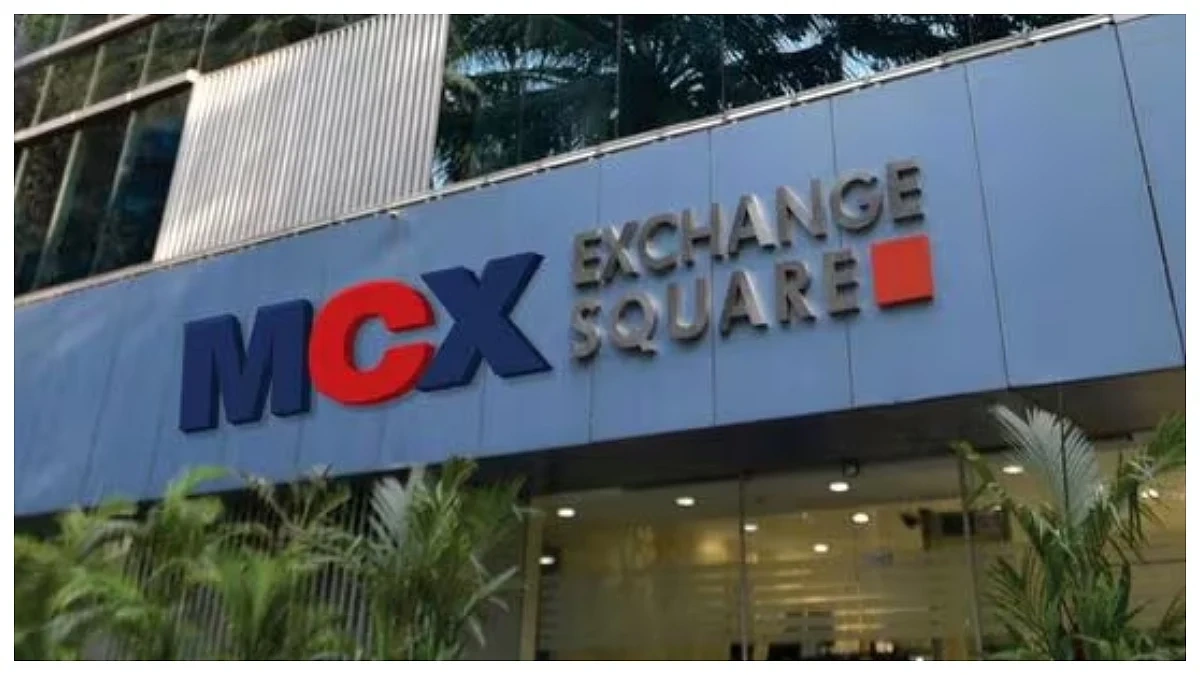
So, MCX – that’s the Multi Commodity Exchange, for those of you just tuning in – had a bit of a rough day recently. Trading was suspended for a good four hours due to, yep, you guessed it, technical glitches. Now, I know what you’re thinking: “Technical glitches? In this day and age?” But here’s the thing: these aren’t your everyday, run-of-the-mill computer hiccups. This is about serious money, serious investments, and a serious regulatory body – SEBI – getting involved. Let’s dive into why this MCX trading delay matters, shall we?
Why a Four-Hour Halt is a Big Deal
Think of the stock market as a finely tuned engine. Every part needs to work perfectly, and when one tiny cog malfunctions, the whole thing sputters. A four-hour trading suspension isn’t just a minor inconvenience; it’s a major disruption. Here’s why:
- Investor Confidence: Trust is paramount in the market. When systems fail, investors get jittery. They start questioning the reliability of the platform, which can lead to panic selling or a reluctance to invest in the future.
- Loss of Opportunity: Markets move fast. Four hours can be an eternity. Traders miss out on opportunities to capitalize on price fluctuations, hedge their positions, or simply execute their strategies. This can translate to real financial losses.
- Ripple Effect: The MCX doesn’t operate in a vacuum. It’s connected to other markets and financial institutions. A disruption here can have a cascading effect, impacting other sectors and potentially destabilizing the broader economy. Click here to learn more.
And that’s without even getting into the algorithmic trading that makes up a huge part of modern markets. These algorithms are designed to react to market changes in milliseconds. A four-hour outage throws everything into chaos.
SEBI’s Inquiry | What’s at Stake?
Anytime SEBI (Securities and Exchange Board of India) launches an inquiry, you know it’s serious. SEBI is the watchdog of the Indian securities market, and its job is to protect investors and maintain market integrity. When they start asking questions, it means something went seriously wrong.
But, So, what exactly will SEBI be looking into? Well, most likely:
- The Root Cause: What exactly caused the technical issues? Was it a software bug? A hardware malfunction? A cyber attack? SEBI will want to know precisely what went wrong to prevent it from happening again.
- System Redundancy: Did MCX have adequate backup systems in place? Were those systems tested regularly? A robust system should be able to switch over to a backup seamlessly in case of a primary system failure.
- Communication Protocols: How did MCX communicate the outage to its members and the public? Was the information accurate and timely? Clear and transparent communication is crucial during a crisis.
The findings of SEBI’s inquiry could have significant consequences for MCX, ranging from fines and penalties to stricter regulatory oversight. But more importantly, it will set a precedent for how exchanges handle technical failures in the future.
The Human Cost | Real People, Real Money
It’s easy to get lost in the technical jargon and regulatory details, but let’s not forget the human element. Behind every trade, every investment, there are real people with real money at stake. A market disruption like this can have a devastating impact on their financial well-being.
I’m talking about small-time investors who are saving for their retirement, businesses that are relying on hedging strategies to protect their profits, and day traders who are trying to make a living in a volatile market. These people depend on the reliability and stability of the MCX to manage their risks and achieve their financial goals. And when that reliability is compromised, they suffer the consequences.
The Future of Trading | Lessons Learned?
What fascinates me is the speed at which technology is transforming the financial world, and that’s not always positive. We now live in an era of high-frequency trading, algorithmic decision-making, and complex financial instruments. While these innovations have the potential to increase efficiency and liquidity, they also introduce new risks.
One of those risks is system failure . As markets become more automated and interconnected, they also become more vulnerable to technical glitches. A single line of bad code, a faulty server, or a cyber attack can bring the whole system crashing down. So, one of the vital lessons of this MCX debacle? Exchanges need to invest more in their technology infrastructure, their redundancy protocols, and their cybersecurity defenses. They need to treat these investments not as costs, but as essential safeguards for the stability of the market. You can also visit here . to know more.
MCX Trading | Beyond the Delay
The commodity market isn’t just about numbers on a screen; it’s about the real-world supply and demand of essential resources like gold, oil, and agricultural products. These commodities affect the prices we pay for everything from gasoline to groceries. A disruption in the trading of these commodities can have far-reaching consequences for the entire economy. This market volatility may also affect prices.
This incident serves as a stark reminder that technology, for all its benefits, is not infallible. It’s a call for greater vigilance, stronger safeguards, and a more human-centric approach to risk management in the financial world.
FAQ Section
Frequently Asked Questions
What exactly is MCX?
MCX stands for Multi Commodity Exchange. It’s India’s largest commodity derivatives exchange, where various commodities like gold, silver, crude oil, and agricultural products are traded.
What happens if MCX trading is halted?
When trading is halted, all buy and sell orders are suspended. Investors cannot trade until the exchange resumes its operations. This can lead to missed opportunities and potential financial losses.
How does SEBI protect investors?
SEBI (Securities and Exchange Board of India) oversees the Indian securities market, including commodity exchanges like MCX. SEBI’s role is to ensure fair practices, prevent market manipulation, and protect the interests of investors through regulations and inquiries.
What are the implications of a technical glitch on MCX?
A technical glitch can erode investor confidence, disrupt trading activities, and potentially lead to financial losses for traders and investors. It can also raise concerns about the exchange’s infrastructure and risk management systems.
What measures should MCX take to prevent future incidents?
MCX should invest in robust technology infrastructure, implement redundancy protocols, conduct regular system checks, and enhance cybersecurity measures. Clear communication protocols are also essential during a crisis.
Can I get compensation for losses incurred due to the trading halt?
It depends on the specific circumstances and the exchange’s policies. Investors may explore legal options or insurance claims, but compensation is not guaranteed. Consulting a financial advisor or legal expert is advisable.