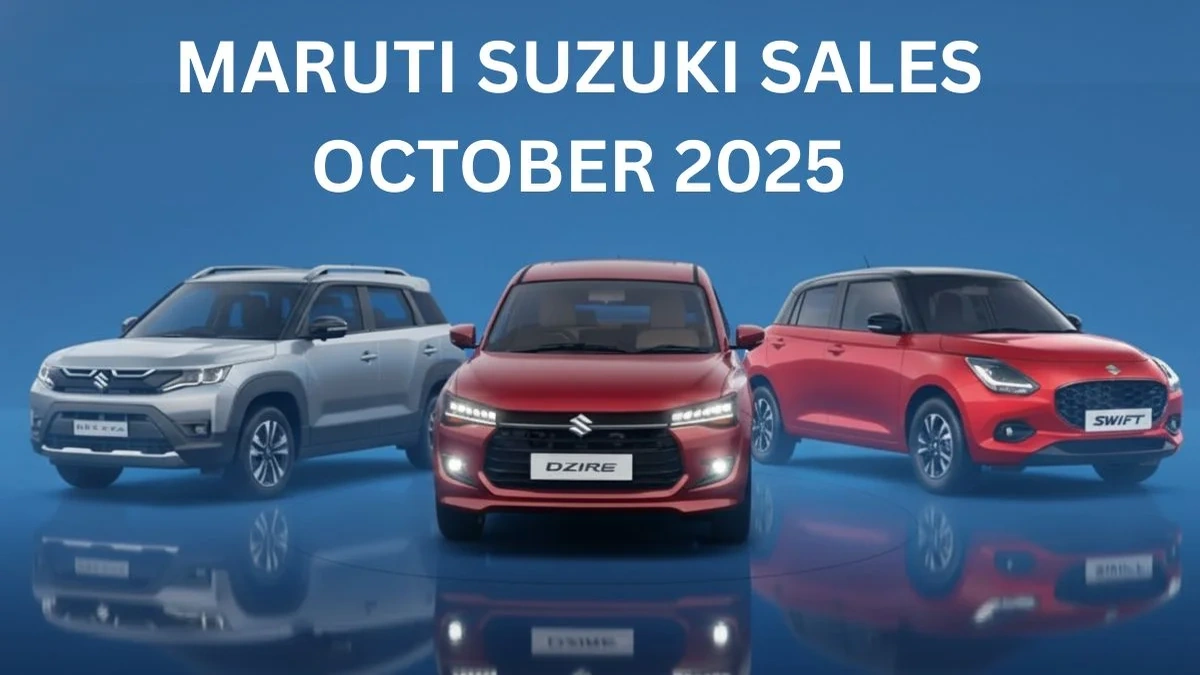
Okay, folks, buckle up! Maruti Suzuki just dropped a bombshell: a record-breaking 220,894 units sold in October 2025. That’s not just good; that’s mind-boggling. But here’s the thing – numbers alone don’t tell the whole story. Let’s dig into why this happened, what it really means for you and the Indian auto market, and what might be lurking around the corner. Forget the press releases; we’re going deep.
The ‘Why’ Behind the Boom | More Than Just Luck
So, why such a massive surge? A common mistake I see people make is attributing it to just one factor. It’s not that simple. Yes, the festive season always brings a bump in sales – Diwali cheer translates to showroom traffic. But this is different. We’re talking about a record! Several things are happening under the hood. First, pent-up demand. Remember the supply chain issues that plagued the auto industry for the last couple of years? Those are easing, meaning Maruti Suzuki can finally deliver cars people have been waiting for. And let’s be honest, folks have been saving up.
Second, the Indian economy – while facing global headwinds – has shown resilience. More disposable income translates directly to more car sales. But more importantly, Maruti Suzuki has been strategically positioning itself for growth. What fascinates me is how they’ve been aggressively launching new models, targeting different segments – from budget-friendly hatchbacks to premium SUVs. And the demand for these models? Off the charts! This is a clear sign that the company understands the evolving needs and preferences of the Indian consumer. They haven’t been resting on their laurels.
And here’s a nugget from my experience: don’t underestimate the power of brand loyalty. Maruti Suzuki has cultivated a strong reputation for reliability, fuel efficiency, and affordability over decades. That trust is hard-earned, and it pays dividends in times like these.
Government Policies and the Electric Vehicle Push
Now, let’s talk about the elephant in the room: government policies. The Indian government is aggressively pushing for electric vehicle (EV) adoption through various incentives and subsidies. While Maruti Suzuki has been somewhat slow to the EV game compared to some competitors, they’re starting to ramp up their efforts. The buzz around their upcoming EV models is creating excitement and anticipation, which indirectly boosts overall brand sentiment. Think of it as a halo effect. This is where future mobility meets current success.
But it’s not just EVs. Government initiatives aimed at infrastructure development – better roads, increased connectivity – are also playing a role. People are more likely to buy cars if they know they can drive them on decent roads. As per the guidelines mentioned in the information bulletin by the Ministry of Road Transport and Highways , the focus on improving road infrastructure has been a key priority, making long-distance travel more convenient and appealing, further driving automotive sales trends .
The Impact on the Indian Auto Market | Ripple Effects
Maruti Suzuki’s stellar performance has a ripple effect across the entire Indian auto market. It puts pressure on other manufacturers to innovate, improve their offerings, and compete more aggressively. This is good for consumers – more choices, better features, and competitive pricing. And let’s be honest, that is always welcome. The increase in Maruti Suzuki sales also signals positive investor sentiment, potentially attracting more foreign investment into the sector.
But there’s a flip side. Increased competition can lead to price wars, squeezing profit margins for smaller players. We might see some consolidation in the industry as companies struggle to keep up. This will be an interesting space to watch in the coming months. I initially thought this was straightforward, but then I realized that such a market upheaval can impact several ancillary industries, like auto component manufacturers and dealerships.
Challenges Ahead | Can Maruti Suzuki Maintain the Momentum?
So, can Maruti Suzuki maintain this blistering pace? That’s the million-dollar question. Several challenges loom. Rising input costs – raw materials, energy, labor – could put pressure on pricing. Global economic uncertainty could dampen consumer sentiment. And the increasing competition from domestic and foreign players will only intensify. Supply chain optimization will continue to be a major focus.
But what fascinates me is Maruti Suzuki’s ability to adapt. They’ve shown resilience in the face of adversity, and their strong brand equity gives them a significant advantage. A common mistake I see people make is underestimating the company’s ability to innovate and respond to changing market dynamics. They’ve proven time and again that they’re not afraid to disrupt themselves.
To maintain its leadership position, Maruti Suzuki needs to double down on its EV strategy, invest in advanced technologies, and continue to focus on customer satisfaction. The one thing you absolutely must double-check on when buying a car is after-sales service, and this is where Maruti Suzuki often shines.
The Future of Maruti Suzuki | Innovation and Sustainability
Looking ahead, the future of Maruti Suzuki hinges on its ability to embrace innovation and sustainability. The company needs to be at the forefront of developing affordable and efficient EVs that cater to the mass market. This is crucial not just for environmental reasons, but also for staying competitive in the long run. According to the latest circular on the official SIAM website , the industry body is actively promoting sustainable manufacturing practices and encouraging companies to adopt eco-friendly technologies. Here’s why this matters: the automotive industry contributes significantly to carbon emissions, and transitioning to cleaner technologies is essential for mitigating climate change.
And let’s be honest, the Indian consumer is becoming increasingly environmentally conscious. People are willing to pay a premium for products that are sustainable and eco-friendly. Maruti Suzuki needs to tap into this growing demand by offering a wider range of eco-friendly vehicles and promoting its sustainability initiatives.
But, and this is a big but, sustainability is not just about EVs. It also encompasses responsible manufacturing practices, reducing waste, and promoting ethical sourcing of materials. Maruti Suzuki needs to demonstrate a commitment to sustainability across its entire value chain. I think this will be a key differentiator in the years to come.
FAQ Section
What factors contributed to Maruti Suzuki’s record sales in October 2025?
Several factors including easing supply chain issues, pent-up demand, successful new model launches, and the festive season contributed to the record sales.
How is Maruti Suzuki addressing the growing demand for electric vehicles (EVs) in India?
Maruti Suzuki is ramping up its EV strategy with plans to launch new EV models and leverage government incentives to promote EV adoption.
What challenges does Maruti Suzuki face in maintaining its market leadership?
Challenges include rising input costs, global economic uncertainty, and increasing competition from domestic and foreign players.
How is the Indian government supporting the growth of the automotive industry?
The government supports the industry through infrastructure development initiatives, EV promotion policies, and incentives for sustainable manufacturing practices.
What is the impact of Maruti Suzuki’s sales performance on other automakers in India?
Maruti Suzuki’s strong performance puts pressure on other automakers to innovate, improve their offerings, and compete more aggressively.
What steps should Maruti Suzuki take to ensure long-term success and sustainability?
Maruti Suzuki should focus on innovation, sustainable manufacturing practices, and ethical sourcing of materials across its value chain.
Ultimately, Maruti Suzuki’s October 2025 sales figures are more than just a number; they’re a snapshot of a changing India. A country with rising aspirations, evolving preferences, and a growing appetite for mobility. And while challenges undoubtedly remain, Maruti Suzuki’s response to them will define not only its own future, but also the future of the Indian auto industry. It’s going to be a fascinating ride.