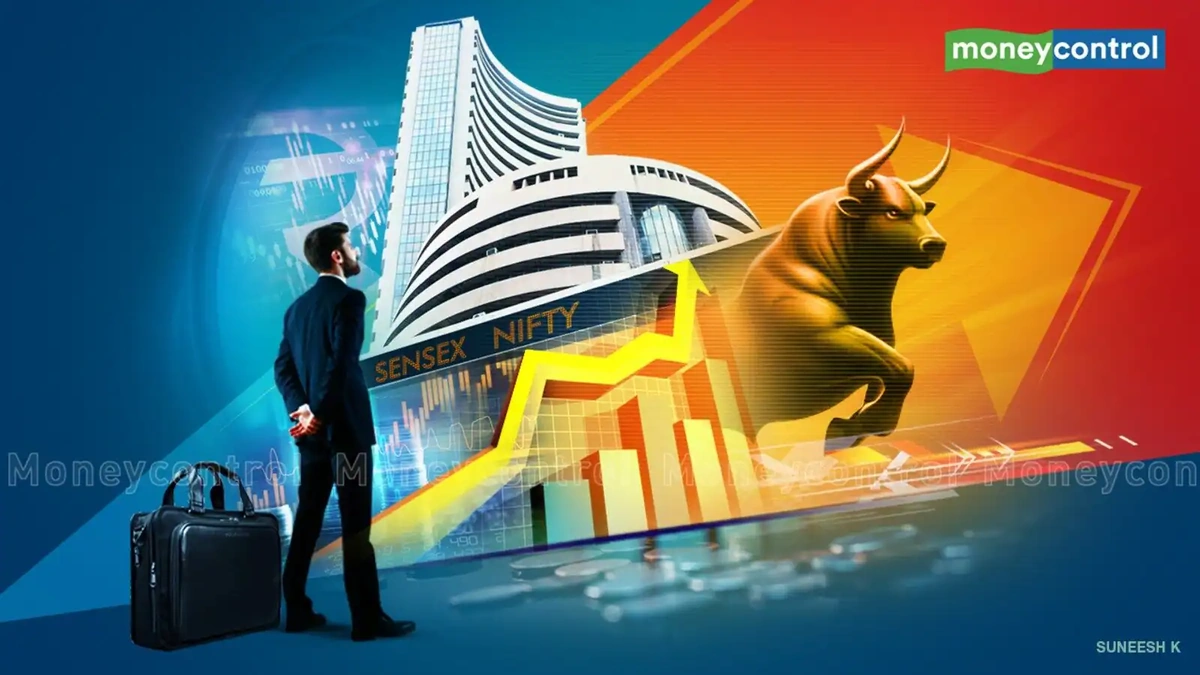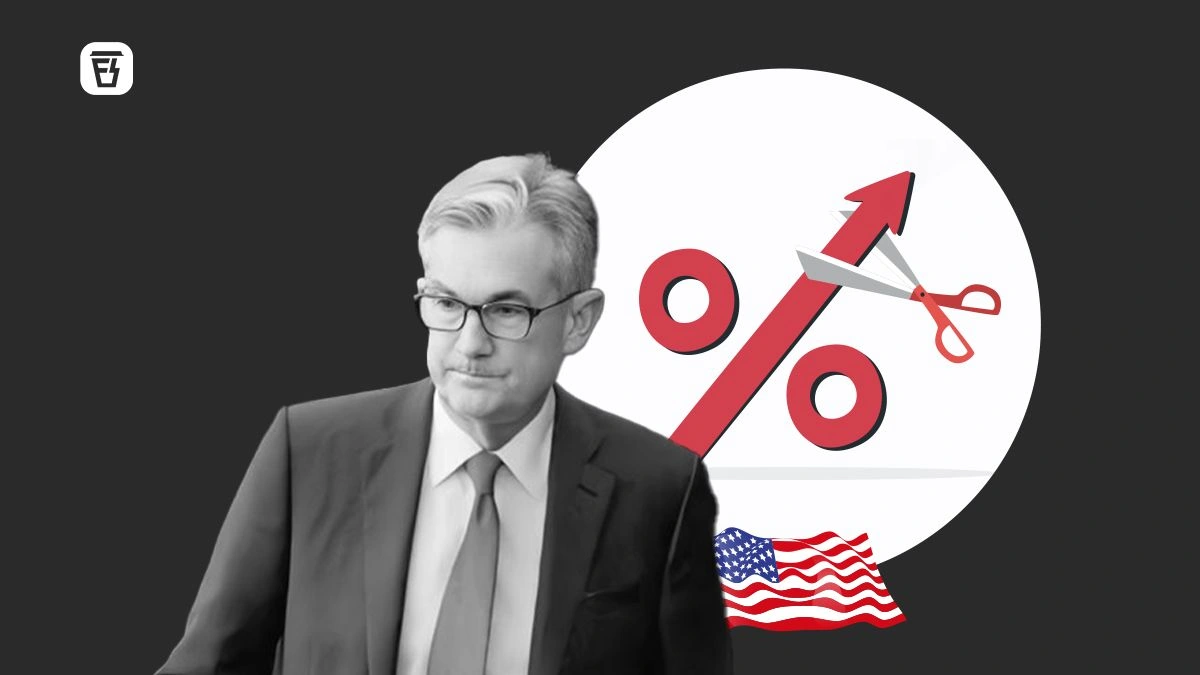
The markets are buzzing, aren’t they? Everyone’s talking about a potential rate cut by the US Federal Reserve, and the optimism is practically palpable. But here’s the thing: it’s not just about a simple reduction in interest rates. It’s about why this is happening, what it signals, and what it means for you, sitting here in India. I initially thought that this was just another news cycle, but then I realized how much deeper the rabbit hole went.
Decoding the Rate Cut Buzz | Why Should India Care?
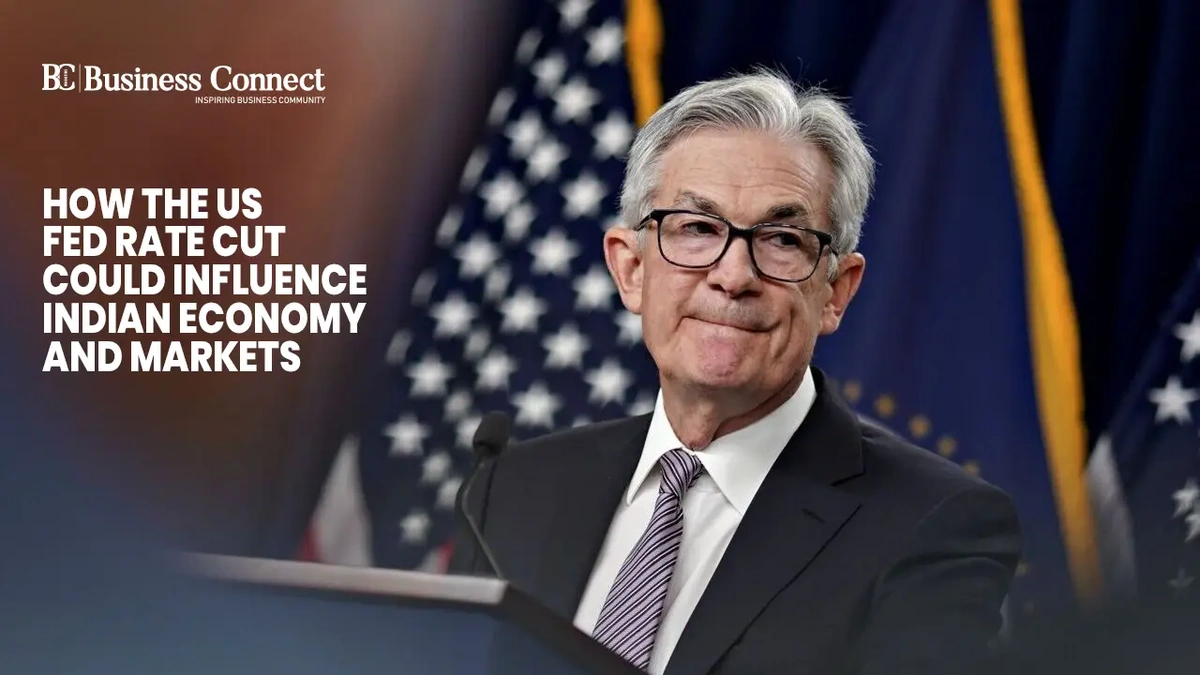
Let’s be honest: the US Federal Reserve seems a world away. But its decisions ripple across the globe, impacting everything from currency valuations to investment flows. A Federal Reserve rate cut essentially means that borrowing money in the US becomes cheaper. This can spur economic activity there, but it also has knock-on effects here. One of those effects includes impacts to emerging markets .
Think of it like this: when US interest rates are high, investors tend to flock to the US, seeking higher returns. But when rates are lower, those investors start looking for opportunities elsewhere – often in emerging markets like India. This increased investment can boost the Indian economy, strengthen the rupee, and lead to higher stock prices. But, this boost can be a double-edged sword. If the rate cut is too aggressive, or seen as a sign of weakness in the US economy, it could trigger a ‘risk-off’ sentiment.
The Domino Effect | How Lower Rates Impact Your Wallet
So, how does this all translate to your everyday life? Well, a stronger rupee can make imported goods cheaper – from electronics to crude oil. This, in turn, can help to lower inflation in India. And lower inflation means the Reserve Bank of India (RBI) might feel less pressure to raise its own interest rates. Let me rephrase that for clarity. Lower inflation gives the RBI more breathing room.
And what happens if the RBI doesn’t raise rates? Well, that’s good news for borrowers. Home loan EMIs, car loan installments – they’re all less likely to increase. Plus, companies find it cheaper to borrow money, which can encourage investment and job creation. It’s like a chain reaction. The impact of rate cuts on global markets is far-reaching and complex. Here’s the thing, though: it’s not a guaranteed win-win.
What fascinates me is the psychological aspect. Rate cuts are often interpreted as a signal that the central bank is worried about the economy. That can lead to uncertainty and volatility, even if the immediate impact is positive. The market is like a living organism, constantly reacting to stimuli. And anticipating those reactions is the name of the game.
Navigating the Uncertainty | What to Watch Out For
Here’s the thing: no one has a crystal ball. Predicting the future is impossible, especially when dealing with complex economic factors. While sources suggest a higher chance of a rate cut, the official confirmation is still pending. It’s best to keep checking reputable financial news sources. But we can look at key indicators. As per the latest reports, the bond yields are already reflecting the expectation of lower rates.
The important thing is to stay informed and avoid making rash decisions based on short-term market movements. A common mistake I see people make is panicking and selling their investments when the market dips. Remember, investing is a long-term game. So, keep your eye on the ball. Monitor the US economic outlook and how it influences the Fed’s monetary policy . Also, pay attention to the RBI’s stance.
So, what can you do? First, diversify your investments. Don’t put all your eggs in one basket. Second, focus on long-term goals rather than trying to time the market. And third, seek advice from a qualified financial advisor. Don’t make decisions based on fear or greed.
The one thing you absolutely must double-check is your own risk tolerance. Are you comfortable with the possibility of short-term losses in exchange for long-term gains? If not, you may need to adjust your investment strategy. It’s about playing your cards right.
Beyond the Numbers | The Human Cost of Rate Cuts (and Hikes)
But it is also important to remember that behind every economic statistic, behind every rate cut or rate hike, there are real people. There are businesses struggling to stay afloat. There are families trying to make ends meet. These numbers aren’t just abstract concepts. They are economic indicators that affect us all.
The potential impact on stock markets is real. The fluctuations impact real people. The expectation of the US Federal Reserve is for interest rate decisions that are intended to benefit real people.
And that, ultimately, is what makes this so fascinating. We are all part of a giant, interconnected global economy. And the decisions made by a handful of people in Washington, D.C., can have a profound impact on the lives of millions of people, including you and me. And that’s something worth paying attention to.
FAQ | Rate Cuts Explained Simply
What exactly is a rate cut?
It’s when a central bank lowers the interest rate it charges to commercial banks for borrowing money.
Why do central banks cut rates?
Typically to stimulate economic growth by making borrowing cheaper.
How does a US rate cut affect India?
It can attract investment to India, strengthen the rupee, and potentially lower inflation.
Is a rate cut always good news?
Not necessarily. It can signal concerns about the economy, leading to market volatility.
What should I do as an investor?
Stay informed, diversify your investments, and focus on long-term goals.
Where can I learn more about rate cuts?
Consult reputable financial news sources and a qualified financial advisor. An example of a good news source is the Reuters website .
So, the next time you hear about a potential rate cut, don’t just shrug it off as another piece of financial jargon. Remember that it’s a complex issue with real-world implications, one that could ultimately affect your wallet and your future. The market’s anticipation is a signal, but not a guarantee. Prepare, don’t panic, and stay informed.