The Indian startup ecosystem is buzzing, isn’t it? We’re not just talking about companies launching – we’re talking about significant exits and valuations that are making waves globally. Specifically, let’s dive into recent IPO exits that have generated a whopping $1.7 billion for Venture Capitalists (VCs), alongside Meesho’s anticipated $5.9 billion valuation. But here’s the thing: it’s not just about the numbers. It’s about what these figures mean for the future of Indian tech, investment strategies, and ultimately, you – the savvy observer of the Indian economy.
The VC Gold Rush | Understanding the “Why”

So, $1.7 billion in exits. Big deal, right? Actually, it is. Here’s why: this signals a maturing market. For years, VCs have been pouring capital into Indian startups, hoping to find the next big thing. These exits – often through initial public offerings, acquisitions, or other liquidity events – represent the payoff. They demonstrate that the Indian market can, in fact, deliver substantial returns. And the ripple effect? More VCs are likely to invest, fueling further innovation and growth. A common pitfall? Chasing hype without due diligence. VCs need to maintain a balanced approach, and not blindly allocate to the next overvalued venture capital opportunity. What fascinates me is the sheer diversity of sectors seeing these returns – from e-commerce to fintech to SaaS.
Consider this: successful exits aren’t just about the money. They’re about building confidence. They show other startups that the dream of a big payday is achievable. They attract talent, inspire entrepreneurs, and create a virtuous cycle of growth. According to a recent report by Tracxn, early-stage funding has seen a slight dip, underscoring the need for sustainable business models. The message is clear: it’s no longer enough to simply grow at all costs. Companies need to demonstrate profitability and a clear path to long-term success.
Meesho’s Massive Valuation | Is it Justified?
Now, let’s turn our attention to Meesho, the social commerce platform reportedly eyeing a $5.9 billion valuation. That’s a hefty number. The question on everyone’s mind: is it justified? Well, that’s where it gets interesting. Meesho has carved out a niche by targeting Tier 2 and Tier 3 cities in India, connecting small sellers with a vast customer base. Their strategy of leveraging social media and a network of resellers has proven remarkably effective. But (and this is a big but), the competition in the e-commerce space is fierce. Amazon and Flipkart are behemoths with deep pockets and established infrastructure. Meesho needs to continue innovating and differentiating itself to maintain its growth trajectory. Let me rephrase that for clarity, success hinges on continually delivering value to both sellers and buyers.
Furthermore, factors like market capitalization, revenue multiples, and growth rates all contribute to valuation. Investors will be closely scrutinizing Meesho’s financials to ensure that the valuation aligns with its performance and future prospects. And here’s the thing – it’s not just about the numbers on a spreadsheet. It’s about the potential for disruption. Can Meesho truly revolutionize the way commerce is conducted in India? That’s the billion-dollar question.
Navigating the IPO Landscape | A Guide for Indian Investors
So, you’re an Indian investor, and you’re seeing all this IPO buzz. You’re wondering if you should jump in, right? Here’s the thing – IPOs can be exciting, but they’re also risky. It’s crucial to do your homework. Don’t just blindly follow the hype. Understand the company’s business model, its financials, and its competitive landscape. What fascinates me is that many retail investors make decisions based on tips from friends or social media. That’s a recipe for disaster.
A common mistake I see people make is failing to read the red herring prospectus carefully. This document contains all the crucial information about the company, including its risks and challenges. It might be dense, but it’s essential reading. As per the guidelines mentioned in the information bulletin , the IPO process is designed to ensure fair allocation, but demand often outstrips supply. So, what are your options? You can apply through your Demat account, and if the IPO is oversubscribed, allocation is typically done through a lottery system. But remember – investing in an IPO is a long-term game. Don’t expect to get rich overnight. Consider the investment banks and underwriters involved; they perform due diligence but aren’t always right.
The Future of Tech Exits in India
What does all of this mean for the future? Well, I predict we’ll see even more tech exits in India in the coming years. The Indian startup ecosystem is maturing, and there’s a growing pool of companies that are ready to go public or be acquired. However, the landscape is constantly evolving. Factors like global economic conditions, regulatory changes, and technological disruptions can all impact the stock exchange and the appetite for IPOs. The one thing you absolutely must double-check before investing is your own risk tolerance. Are you comfortable with the possibility of losing money? If not, IPOs may not be for you. It’s best to diversify your portfolio. Don’t put all your eggs in one basket.
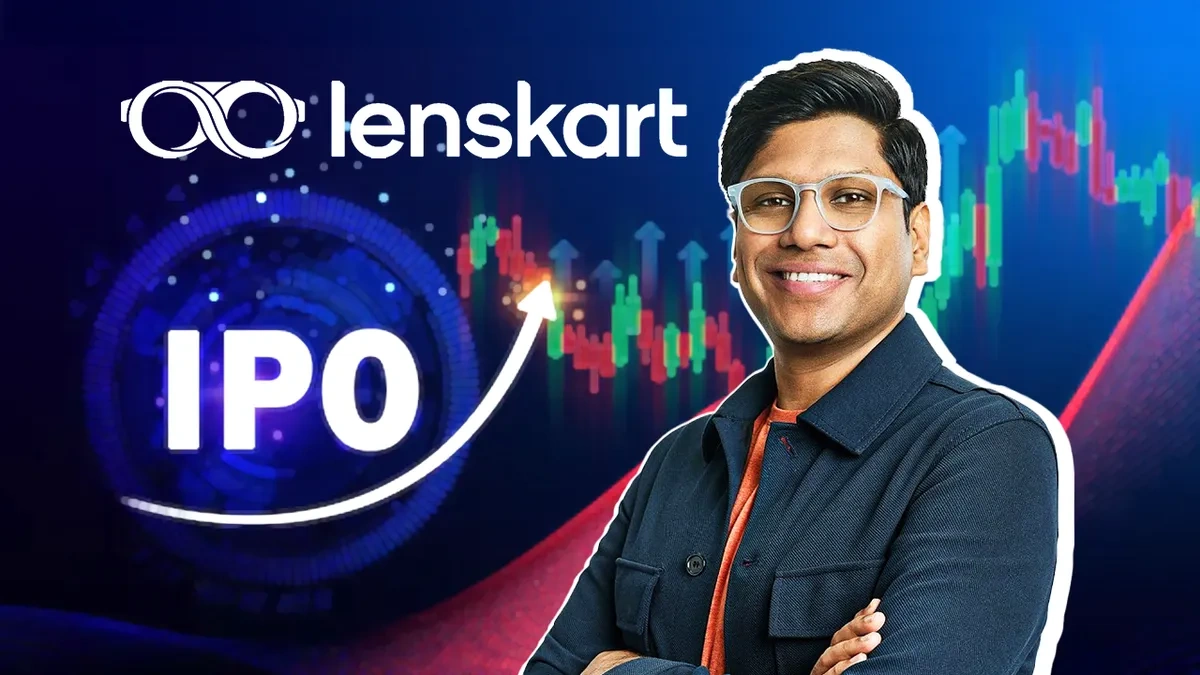
And that’s the thing about IPOs, isn’t it? They’re a snapshot of a company’s potential, a bet on its future. They represent not just financial transactions, but the hopes and dreams of founders, employees, and investors alike. Let’s be honest – the Indian tech story is just getting started. And these IPO exits are just the first chapter. Find more investing opportunities on Lenskart IPO . Also, you may find more valuable insights on understanding chronic kidney disease .
FAQ Section
Frequently Asked Questions (FAQs)
What exactly is an IPO?
An IPO, or Initial Public Offering, is when a private company offers shares to the public for the first time. It’s a way for the company to raise capital, and it allows investors to buy a piece of the company.
What are the risks of investing in IPOs?
IPOs can be risky because there’s limited historical data to assess the company’s performance. The price can be volatile, and there’s always the risk that the company won’t perform as expected.
How do I apply for an IPO in India?
You can apply for an IPO through your Demat account. The process is usually online, and you’ll need to specify the number of shares you want to buy and the price you’re willing to pay.
What if I don’t get allocated shares in an IPO?
If an IPO is oversubscribed (meaning there’s more demand than available shares), allocation is typically done through a lottery system. If you don’t get allocated shares, your money will be refunded to your account.
Where can I find information about upcoming IPOs?
You can find information about upcoming IPOs on financial websites, news portals, and the websites of investment banks.