
IndiGo, the undisputed king of the Indian skies, has announced a significant shift in its strategy: a greater emphasis on owning its aircraft. Now, you might be thinking, “Okay, cool, but why should I care?” Here’s the thing: this move has implications that ripple through the entire aviation industry in India and could impact your future ticket prices. Let’s dive in, shall we?
The “Why” Behind Owning Planes
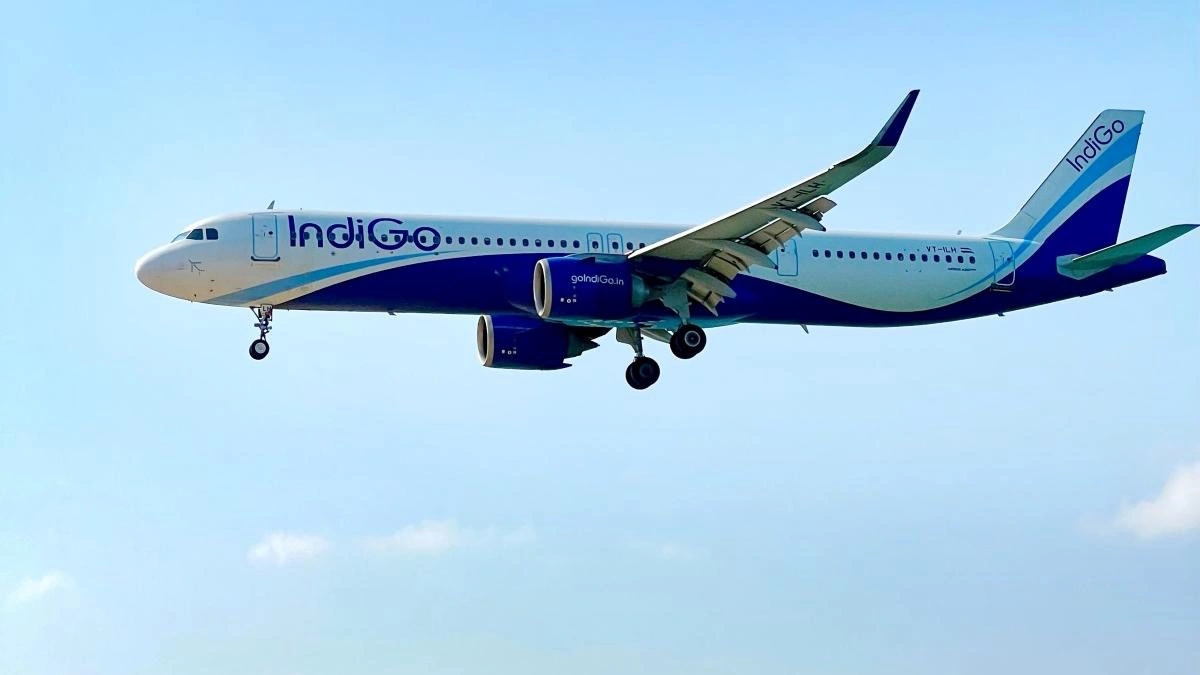
For years, IndiGo has built its empire on a foundation of leased aircraft. It’s been a brilliant strategy, allowing them to scale rapidly and maintain a young, fuel-efficient fleet. Leasing offers flexibility – you can return planes when demand dips or upgrade to newer models easily. So, why the change? Why is IndiGo now tilting the scales towards ownership? Well, several factors are at play.
Firstly, long-term cost control. While leasing provides short-term benefits, owning aircraft can be more economical in the long run. Think of it like renting an apartment versus buying a house. Renting is convenient initially, but over time, you’re essentially paying someone else’s mortgage. Owning eliminates lease payments and allows IndiGo to build equity. Secondly, it provides greater control. When you own the asset, you dictate the terms. You’re not at the mercy of lease agreements or fluctuating interest rates. This is especially crucial in a volatile market like aviation. And, finally, IndiGo’s financial position allows for it. They are not some startup airline, and they have the financial muscle to pursue such a move. What fascinates me is, IndiGo is betting on the long game. They are playing chess while others play checkers.
Leasing vs. Owning | A Quick Primer
Let’s break down the difference between leasing and owning aircraft in more detail, so it’s crystal clear what’s at stake here. When an airline leases an aircraft, it essentially rents it from a leasing company (like AerCap or Air Lease Corporation). The airline pays a monthly lease payment for the right to use the aircraft for a specified period, typically several years. This arrangement allows airlines to expand their fleets without a massive upfront capital investment. But – and this is a big but – those lease payments add up over time.
Owning an aircraft, on the other hand, requires a significant upfront investment. Airlines either purchase the aircraft outright or finance the purchase through loans. However, once the aircraft is paid off, the airline owns a valuable asset that can generate revenue for years to come. They also have the freedom to modify the aircraft, sell it, or use it as collateral for loans. It’s a much riskier but potentially more rewarding path. A common mistake I see people make is thinking that leasing is always cheaper. It’s not! It’s a question of time horizon and risk appetite. IndiGo’s move suggests they’re confident in their long-term prospects and willing to take on the associated risks.
The Impact on Passengers and the Indian Aviation Sector
So, what does all this mean for you, the average passenger? Well, potentially lower fares down the line. If IndiGo can reduce its operating costs through aircraft ownership, it might translate into more competitive pricing. This is especially true on popular routes where competition is fierce. However, don’t expect immediate changes. The transition from leasing to owning will take time. Moreover, this could pressure other airlines in India to re-evaluate their fleet strategies. We might see other players exploring opportunities to own a greater proportion of their aircraft. According to the latest data from the Ministry of Civil Aviation , the Indian aviation sector is poised for significant growth in the coming years. IndiGo’s strategic shift could further fuel this growth by making air travel more accessible and affordable. But, let’s be honest, it is not going to be a walk in the park. Rising fuel prices and global economic uncertainty could throw a wrench into the works.
The Challenges Ahead for IndiGo
While owning aircraft offers long-term benefits, it also presents several challenges for IndiGo. The initial capital investment is substantial. Financing the purchase of new aircraft requires significant borrowing, which can increase the airline’s debt burden. IndiGo will also need to develop in-house expertise in aircraft maintenance and management. Leasing companies typically handle these responsibilities, but when you own the planes, it’s all on you. Let me rephrase that for clarity: IndiGo is essentially becoming more than just an airline; it’s becoming an asset management company as well. This requires a different skill set and organizational structure. What if interest rates rise unexpectedly? What if there is a major global recession? These are the kinds of questions IndiGo’s management team is undoubtedly grappling with. The one thing you absolutely must double-check is the long-term financial stability of the airline before making any investment decisions based on this news.
Conclusion | A Bold Bet on the Future
IndiGo’s decision to grow the proportion of owned aircraft is a bold move that reflects its confidence in the long-term prospects of the Indian aviation market. It’s a calculated risk that could pay off handsomely, but it’s not without its challenges. Whether this strategy will ultimately succeed remains to be seen. One thing is for sure: it will be fascinating to watch how this unfolds and how it shapes the future of air travel in India.
FAQ
What are the benefits of IndiGo owning more aircraft?
Potentially lower fares in the long run, greater control over assets, and long term cost control.
How will this affect ticket prices?
It could lead to more competitive pricing, especially on popular routes.
Is this a risky move for IndiGo?
Yes, it involves significant capital investment and new responsibilities.
Will other airlines follow suit?
It’s possible, as IndiGo’s move could pressure them to re-evaluate their strategies.
What are the biggest challenges IndiGo faces with this strategy?
Financing the purchases, managing maintenance, and adapting to market fluctuations.
Where can I find more information about IndiGo’s fleet strategy?
Check IndiGo’s official website or reputable aviation news sources.