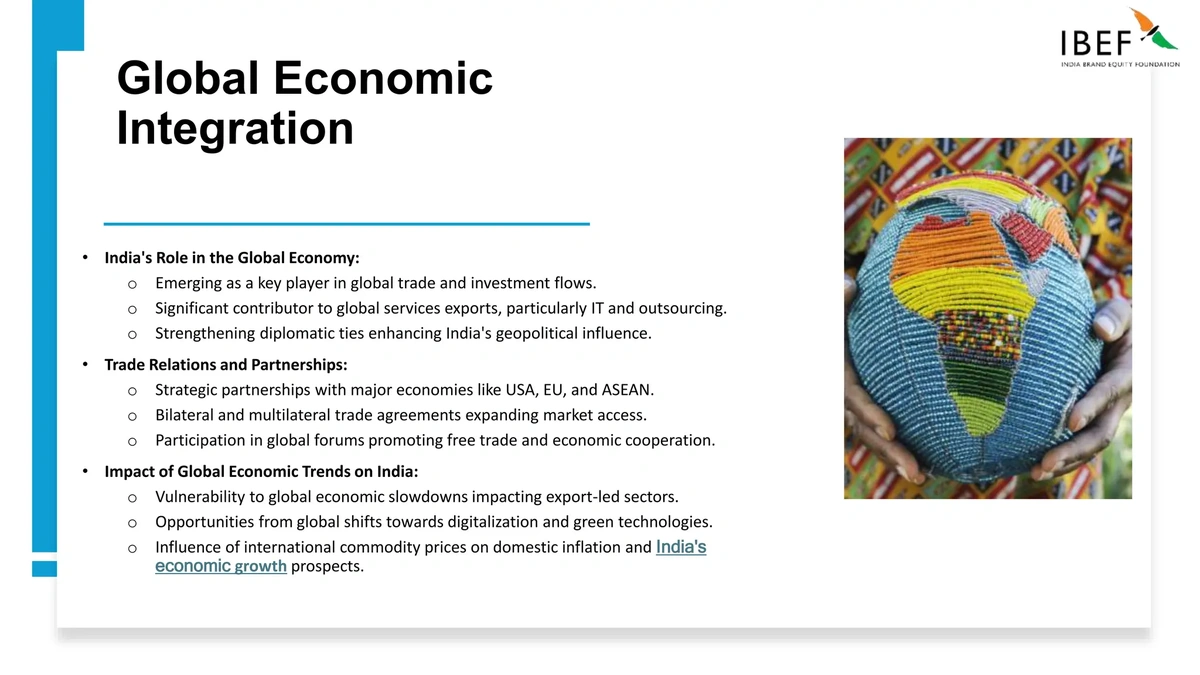
The Indian economy resilience is a topic on everyone’s minds, especially now. We see global headwinds, whispers of recession in developed nations, and supply chain disruptions still lingering like a bad cough. So, the question isn’t just if India can weather the storm, but for how long ? Will this economic strength endure until FY26, or are we looking at a more nuanced picture? Let’s dive in, shall we?
The “Why” Behind India’s Relative Strength
Here’s the thing: India’s economic story isn’t happening in a vacuum. To understand its resilience, we need to look at why it’s standing relatively firm amidst global turmoil. A significant part of it boils down to domestic demand. Unlike export-dependent economies, India’s large population and growing middle class provide a solid internal market. Domestic consumption, from FMCG goods to automobiles, fuels a considerable chunk of our GDP. But it’s not just about people buying stuff.
The government’s infrastructure push is playing a massive role. Think about it – massive investments in roads, railways, and ports are not just creating jobs but also improving logistics and efficiency. This, in turn, attracts further investment and boosts overall economic activity. Let me rephrase that for clarity: Infrastructure spending acts as a multiplier, creating a ripple effect across various sectors. The focus on infrastructure development acts as a very effective catalyst.
And let’s not forget the demographic dividend. India has a young, working-age population. This isn’t just about numbers; it’s about a pool of potential talent and a growing labor force that can contribute to increased productivity and innovation. Of course, harnessing this demographic dividend requires investment in education and skill development, which is another crucial piece of the puzzle. What fascinates me is how these factors interact, creating a complex but potentially very robust economic ecosystem.
How Sustainable Is This Growth? The FY26 Question
Okay, so India’s doing relatively well. But will this last until FY26? That’s the million-dollar question, isn’t it? Several factors will determine the answer. Firstly, the global economic outlook needs to improve. Continued recessionary pressures in major economies could dampen India’s export prospects and overall growth. Remember, we’re not entirely immune to external shocks. A prolonged global slowdown will inevitably impact us. The global economic outlook is a key determinant.
Secondly, inflation needs to be kept in check. While the Reserve Bank of India (RBI) has been proactive in raising interest rates, persistent inflationary pressures could erode consumer spending and business investment. It’s a delicate balancing act – controlling inflation without stifling growth. Thirdly, continued reforms are essential. This includes streamlining regulations, improving the ease of doing business, and promoting investment in key sectors. We can’t afford to become complacent. The need for continued economic reforms cannot be overstated.
What I initially thought was a straightforward question about FY26 has turned into a multi-layered analysis of domestic and global factors. India’s economic resilience isn’t guaranteed; it’s something that needs to be actively nurtured and sustained.
Government Policies and Their Impact
The government’s role in all of this is undeniable. Policies like the Production Linked Incentive (PLI) scheme are aimed at boosting domestic manufacturing and attracting foreign investment. These initiatives have the potential to significantly enhance India’s competitiveness and export capabilities. But let’s be honest, the implementation is as important as the policy itself. Bureaucratic hurdles and logistical bottlenecks can often derail even the best-intentioned plans. The effectiveness of the Production Linked Incentive (PLI) scheme is critical.
Furthermore, the government’s focus on digitalization is transforming the economy. From online payments to e-governance initiatives, technology is playing an increasingly important role in improving efficiency, transparency, and accessibility. This digital revolution has the potential to unlock new opportunities for growth and innovation. The ongoing digital transformation of the economy is also important. What’s fascinating is the speed at which these changes are taking place, particularly in rural areas.
Policy effectiveness, however, hinges on continuous evaluation and adaptation. Are the policies achieving their intended outcomes? Are there any unintended consequences? These are questions that policymakers need to constantly address.
Risks and Challenges Ahead
No analysis of the Indian economy would be complete without acknowledging the risks and challenges. Geopolitical tensions, volatile commodity prices, and climate change all pose significant threats. Rising crude oil prices, for example, can have a cascading effect, leading to higher inflation and a widening current account deficit. Climate change, with its potential to disrupt agriculture and infrastructure, is another long-term concern. We need to be prepared for these external shocks.
Internal challenges also exist. Income inequality, unemployment, and social unrest can all undermine economic stability. Addressing these issues requires a multi-pronged approach that includes investing in education, creating job opportunities, and promoting social inclusion. To ensure long-term economic stability, we need to address both internal and external challenges. What strikes me is the interconnectedness of these challenges – how one problem can exacerbate another.
The Path Forward | A Balanced Approach
So, what’s the path forward? It’s clear that India needs to adopt a balanced approach that focuses on both growth and stability. This means prioritizing sustainable development, promoting inclusive growth, and strengthening economic resilience. It also means fostering a culture of innovation, encouraging entrepreneurship, and investing in human capital. The path to sustainable development needs a balanced approach.
India’s economic story is far from over. It’s a story of resilience, innovation, and potential. Whether this resilience will last until FY26 remains to be seen. But one thing is certain: India has the potential to emerge as a major global economic power, provided it can navigate the challenges ahead and capitalize on its strengths. This journey demands strategic foresight, effective policy implementation, and a collective commitment to building a brighter future. And remember, numbers only tell half the story; it’s the human spirit and the collective drive that will ultimately determine India’s economic destiny.
FAQ Section
What are the main factors contributing to India’s economic resilience?
Strong domestic demand, government infrastructure spending, and a favorable demographic dividend are key factors.
How is the government supporting economic growth?
Through policies like the PLI scheme, infrastructure development, and digitalization initiatives.
What are the main risks to India’s economic outlook?
Global economic slowdown, inflation, geopolitical tensions, and climate change.
Will India’s current economic strength last until FY26?
It depends on global economic conditions, inflation control, and continued reforms.
What role does digitalization play in the Indian economy?
It improves efficiency, transparency, and accessibility, unlocking new growth opportunities.
How can India ensure long-term economic stability?
By prioritizing sustainable development, promoting inclusive growth, and strengthening economic resilience.