Alright, let’s talk GDP growth. Not just the numbers, but what it actually means for you and me here in India. India Ratings just bumped up their FY26 forecast to 7%. Sounds impressive, right? But what’s behind the headline? And, more importantly, will it actually translate to more money in our pockets? Let’s dig in. Because, honestly, economic forecasts can feel a bit disconnected from reality sometimes. We’re going to change that today.
Why This Matters | Beyond the Numbers
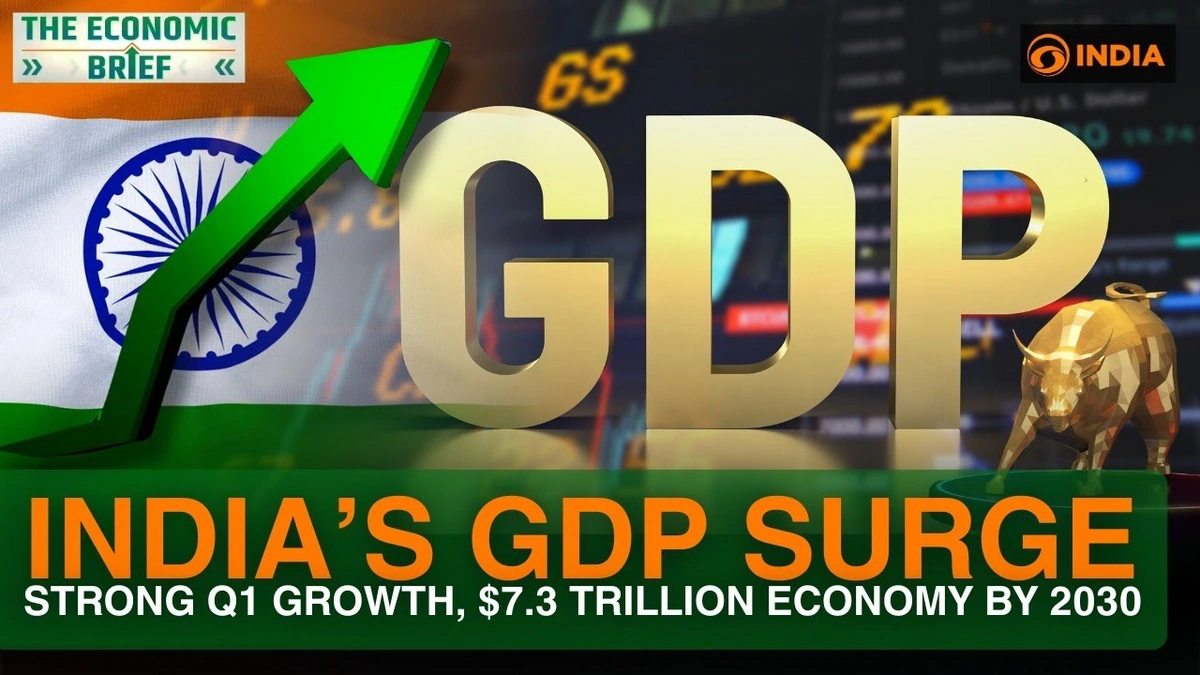
Here’s the thing: a 7% economic growth forecast isn’t just a pat on the back for the government. It’s a potential signal of positive changes trickling down. See, India Ratings, a fairly respected credit rating agency, isn’t just pulling this number out of thin air. They’re looking at various factors – global economic trends, domestic demand, investment cycles, and a whole lot more. And their revised forecast suggests they see enough positive indicators to warrant an upgrade. This improved outlook can boost investor confidence, leading to more foreign and domestic investment. More investment ideally creates more jobs. It’s all connected, even if it doesn’t always feel that way.
But – and this is a big but – forecasts are just that: forecasts. They’re educated guesses based on current data. The real world, as we all know, has a funny way of throwing curveballs. Geopolitical tensions, unexpected policy changes, even something as unpredictable as a really bad monsoon season can throw a wrench in the works. Understanding the real GDP is important because it is the most accurate representation of a country’s economic activity. Let’s dive into some of those potential curveballs a bit later.
The Engines of Growth | Where’s the Fuel Coming From?
So, what exactly is fueling this optimism? Well, several things. Increased government spending on infrastructure is a big one. Think about it: new roads, railways, and ports create jobs during construction and improve connectivity, boosting overall economic activity. Then there’s the rising domestic demand. As incomes rise, people spend more, which in turn fuels production. And let’s not forget the services sector, which has been a consistent performer for India. A thriving services sector can contribute significantly to overall gross domestic product . The rise in per capita income is playing a vital role.
And yet, the growth of Indian economy relies on various factors, including global trade and financial markets. Another thing – and this is where my analyst hat comes on a bit – is the base effect. Remember the pandemic? The economy took a major hit. So, even a modest recovery looks impressive when compared to those depressed levels. It’s like saying you’re running faster after you were crawling. It’s still good, but the context matters.
But, it’s important to consider factors like changing GDP calculation methodologies , which are significant to note.
Potential Roadblocks | What Could Spoil the Party?
Okay, let’s be realistic. It’s not all sunshine and roses. There are definitely potential bumps on the road to that 7% GDP forecast. One of the biggest is global economic uncertainty. A slowdown in major economies like the US or Europe could hurt India’s exports. Rising oil prices are another concern, as India imports a significant chunk of its oil. And, of course, there’s always the risk of domestic policy missteps.
What fascinates me is how these global trends interweave with our local realities. For example, a strong dollar might be good for some exporters, but it also makes imports more expensive, potentially fueling inflation. And inflation, as we all know, can eat into our savings and make life generally more difficult. The Reserve Bank of India has a tough balancing act to perform – keeping inflation in check without stifling growth. It is important to keep an eye on various economic indicators to understand the complete picture.
What This Means for You | The Real-World Impact
So, how does all this translate to your life? Well, a healthy GDP growth rate can lead to more job opportunities, higher wages, and increased consumer spending. It can mean more infrastructure projects in your city, better public services, and a generally improved quality of life. But – and here’s where I put on my skeptical hat again – it’s not automatic.
Here’s the thing. A high GDP growth rate does not automatically equate to prosperity for everyone. The distribution of wealth matters. Are the benefits of growth being shared equitably, or are they concentrated in the hands of a few? Are we creating jobs that pay a living wage, or are we seeing a rise in precarious, low-paying employment? These are the questions we need to be asking. The macroeconomic indicators are important to observe, but they aren’t the end all be all.
Looking Ahead | Navigating the Future
Ultimately, the 7% GDP growth forecast is a positive sign, but it’s not a guarantee of future prosperity. It’s a potential. Whether that potential is realized depends on a number of factors, including sound economic policies, a stable global environment, and a bit of good luck. We, as citizens, also have a role to play. By staying informed, engaging in the political process, and holding our leaders accountable, we can help shape a future where economic growth benefits all Indians.
And, to that end, anotherimportant thing to consider is the impact of foreign portfolio investments (FPI). They can significantly affect growth.
FAQ Section
Frequently Asked Questions
What exactly does a 7% GDP growth forecast mean?
It means that India’s economy is projected to grow by 7% in the fiscal year 2026 (FY26). This is a measure of the increase in the total value of goods and services produced in the country.
What factors influence India’s GDP growth?
Several factors influence India’s future GDP growth, including government policies, global economic conditions, domestic demand, investment levels, and the performance of key sectors like agriculture, manufacturing, and services.
How reliable are these GDP forecasts?
GDP forecasts are based on available data and economic models, but they are not guaranteed to be accurate. Unexpected events or changes in economic conditions can affect the actual growth rate.
What are the potential risks to achieving this 7% growth?
Potential risks include a global economic slowdown, rising oil prices, inflationary pressures, geopolitical instability, and domestic policy challenges.
How does GDP growth affect the average person in India?
GDP growth can lead to more job opportunities, higher incomes, and improved living standards. However, the benefits of growth may not be evenly distributed, and it’s important to consider factors like income inequality.
Where can I find more information about India’s economic performance?
You can find information on the Reserve Bank of India RBI website , the Ministry of Finance website, and reports from various economic research institutions.
So, the India Ratings revision paints a potentially bright picture. It’s a nudge in the right direction, a vote of confidence (of sorts), and a reminder that India’s economic story is still being written. But, as with any good story, there will be twists, turns, and maybe even a cliffhanger or two. Stay tuned.