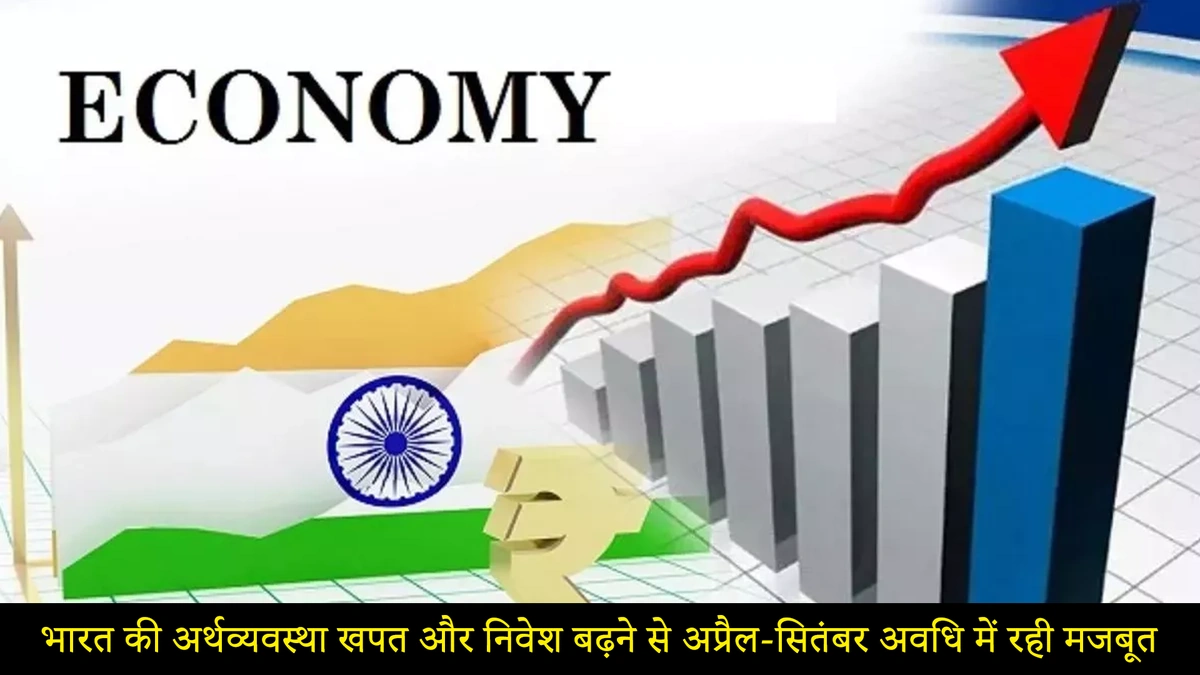
Okay, folks, let’s talk numbers, but not the boring kind. We’re diving into the revised GDP forecast for India, specifically for fiscal year 2026. Remember when everyone was cautiously optimistic about a 6.5% growth? Well, dust off those expectations because the forecast just got bumped up to a solid 7%! But, the real question is: what does this actually mean for you and me? Let’s decode the implications and explore the ‘why’ behind this upward revision.
Decoding the GDP Bump | Why 7% Matters
Here’s the thing: a 0.5% increase in the GDP growth rate might seem like a small adjustment, but in the grand scheme of things, it’s huge. This isn’t just about bragging rights on the global stage; it translates into tangible benefits for the Indian economy and, ultimately, for your pocket. Consider it this way – that extra 0.5% represents a substantial injection of economic activity, leading to increased job creation, higher incomes, and greater investment opportunities. It’s the kind of news that makes economists crack a smile (or maybe even do a little jig!). What fascinates me is the momentum that could create. This could trigger further investment and push India closer to its potential.
The upward revision is largely attributed to India’s resilient economic performance despite global headwinds. Factors such as strong domestic demand, increased government spending on infrastructure, and a rebound in manufacturing activity have contributed to the positive outlook. But, let’s be honest, the global economic landscape remains uncertain. Trade tensions, geopolitical risks, and fluctuating commodity prices could still pose challenges. So, while the revised economic outlook is encouraging, it’s crucial to approach it with a healthy dose of realism.
The Ripple Effect | How It Impacts Your Life
So, how does a revised GDP forecast translate into tangible changes in your everyday life? Well, imagine this: a growing economy means more companies are hiring, leading to lower unemployment rates and higher salaries. This, in turn, increases consumer spending, boosting demand for goods and services. And, as businesses become more profitable, they’re more likely to invest in new technologies and expand their operations, creating a virtuous cycle of economic growth. The stock markettends to reflect this optimism. A robust Indian economy is a thriving economy that lifts living standards and expands opportunities for all.
But, it’s not just about individual prosperity. A higher GDP also means that the government has more resources to invest in crucial sectors such as education, healthcare, and infrastructure. This can lead to better schools, improved healthcare facilities, and enhanced transportation networks, all of which contribute to a better quality of life. Let me rephrase that for clarity: a strong GDP empowers the government to build a more inclusive and equitable society.
Navigating the Future | Investment and Policy Implications
Now, let’s talk about the implications for investors and policymakers. The revised GDP forecast sends a strong signal to domestic and foreign investors that India is a promising investment destination. This can lead to increased capital inflows, which further fuel economic growth. What fascinates me is the opportunity for small and medium-sized enterprises (SMEs) to thrive. They are the backbone of the Indian economy , so they should focus on improving their profitability.
However, it’s crucial for the government to implement sound macroeconomic policies to ensure that this growth is sustainable. This includes managing inflation, maintaining fiscal discipline, and promoting structural reforms to enhance productivity and competitiveness. I initially thought this was straightforward, but then I realized that balancing growth with stability is a delicate act. The government needs to strike the right chord between the two. The Indian government and the Reserve Bank of India (RBI) need to coordinate effectively.
The Global Context | India’s Position in the World
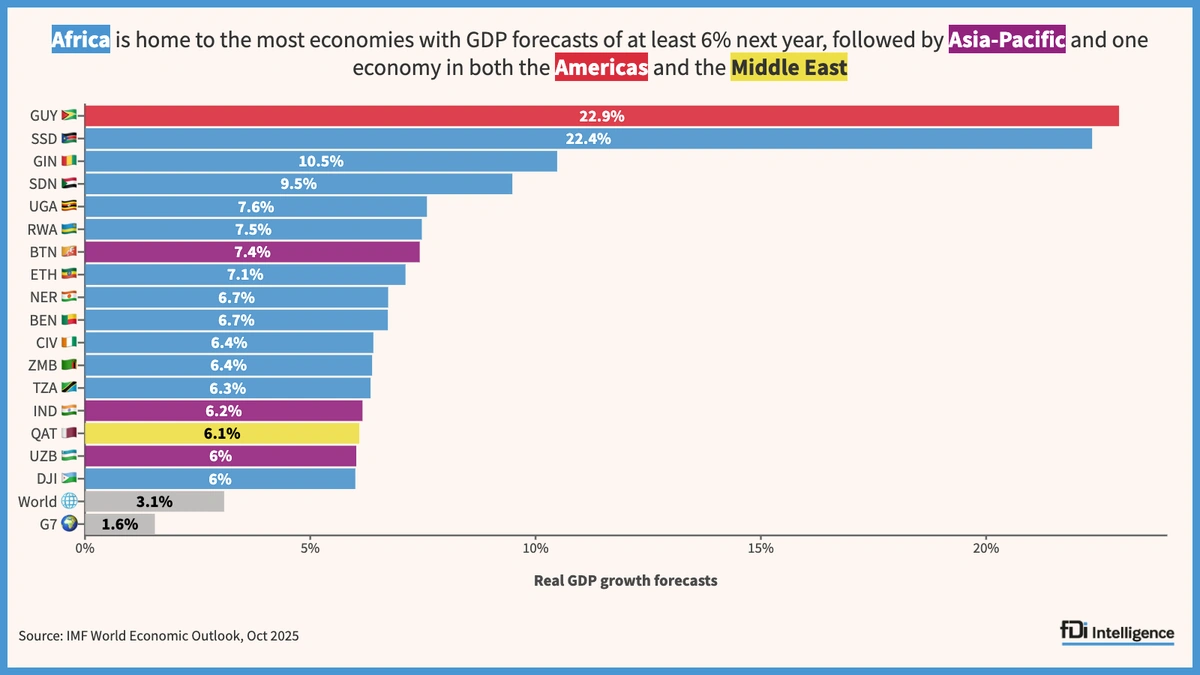
Let’s zoom out for a moment and consider India’s position in the global economic landscape. With the revised GDP forecast, India is set to remain one of the fastest-growing major economies in the world, outpacing many of its peers. This strengthens India’s influence on the global stage and enhances its ability to shape international economic policies. But, it also comes with increased responsibilities. As a major economic power, India needs to play a more active role in addressing global challenges such as climate change, poverty, and inequality.
The Indian market will attract increased attention from global investors and businesses. India has the potential to become a major hub for manufacturing, innovation, and services. The country’s young and dynamic workforce, coupled with its growing consumer market, presents a unique opportunity for businesses looking to expand their global footprint. I initially thought this was straightforward, but then I realized the importance of skill development and education.
Final Thoughts | Embracing the Optimism, Staying Grounded
So, there you have it – a revised GDP forecast that paints a brighter picture for India’s economic future. But, while it’s important to embrace the optimism, it’s equally important to stay grounded and acknowledge the challenges that lie ahead. The road to sustainable and inclusive growth requires sustained efforts, sound policies, and a collective commitment from all stakeholders. Let’s hope that India can continue to navigate the complexities of the global economy and unlock its full potential.
FAQ
What exactly is GDP and why is it important?
GDP, or Gross Domestic Product, is the total value of goods and services produced in a country during a specific period. It’s a key indicator of a country’s economic health – a higher GDP generally means a stronger economy.
What factors contributed to the upward revision of India’s GDP forecast?
Strong domestic demand, increased government spending on infrastructure, and a rebound in manufacturing activity were major factors.
How does a higher GDP impact the average citizen?
A higher GDP can lead to more job opportunities, higher salaries, and increased government investment in public services like education and healthcare.
Are there any risks associated with a rapidly growing GDP?
Yes, rapid growth can sometimes lead to inflation, income inequality, and environmental degradation. Sustainable growth requires careful management.
What role does the government play in ensuring sustainable GDP growth?
The government needs to implement sound macroeconomic policies, manage inflation, maintain fiscal discipline, and promote structural reforms.
Where can I find more information about India’s economic outlook?
You can consult reports from the Reserve Bank of India (RBI), the World Bank, and other reputable economic organizations.