India’s economy is flashing some impressive numbers, isn’t it? An 8.2% growth rate – sounds fantastic on paper. But here’s the thing: numbers don’t always tell the whole story. As someone who’s been watching the Indian economic landscape for a while, I can tell you that digging beneath the surface is crucial. We need to ask why this growth is happening and, more importantly, who is really benefiting.
The Uneven Playing Field | A Closer Look at Sectoral Growth
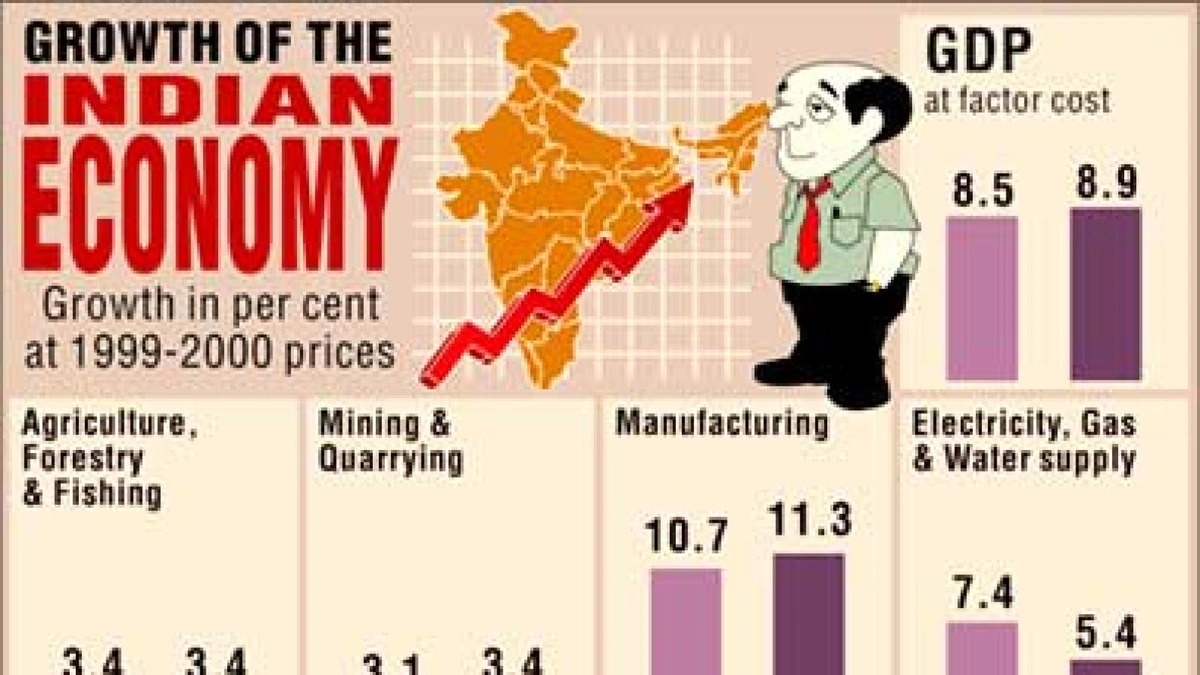
Let’s be honest, that 8.2% isn’t spread evenly. Some sectors are sprinting ahead, while others are barely crawling. The manufacturing sector , for example, might be booming thanks to government initiatives like “Make in India.” But, and this is a big but, what about agriculture? Are our farmers seeing the same prosperity? Often, the answer is a resounding no. This unevenness creates a significant disparity, widening the gap between the rich and the poor. What fascinates me is how these disparities are often glossed over in the headlines. We celebrate the overall growth, but fail to address the structural inequalities that persist.
And it’s not just about agriculture. The informal sector, which employs a massive chunk of our population, often gets left behind in these growth spurts. These are the small businesses, the daily wage earners, the people who are the backbone of our economy. Are they truly benefiting from this so-called economic miracle? We also have to consider the impact of global economic headwinds. As perthe World Bank’s latest report, external factors like rising oil prices and global inflation can significantly impact India’s growth trajectory.
The Job Creation Paradox | Where Are the Jobs?
Here’s a question that keeps me up at night: if the economy is growing so rapidly, why aren’t we seeing a proportional increase in quality job creation? We need to think about job creation . You often hear about impressive investment numbers, but how many of those investments are actually translating into stable, well-paying jobs? Automation and technology are definitely playing a role, but the reality is more complex. Many of the new jobs being created are in the gig economy or are low-wage, insecure positions. This isn’t sustainable. We need policies that encourage the creation of skilled jobs that offer long-term security and opportunities for advancement. This requires investment in education, skills training, and infrastructure.
Speaking of skills, there’s a huge mismatch between what the industry needs and what our graduates are learning. The skill gap is widening, and it’s holding us back. We need a more holistic approach to education that focuses on practical skills and innovation. A common mistake I see is the focus on theoretical knowledge over practical application. Universities need to partner with industry to understand their needs and create curricula that are relevant and up-to-date.
The Environmental Cost | At What Expense?
Let me rephrase that for clarity: are we sacrificing our environment for the sake of economic growth? Rapid industrialization and infrastructure development are taking a toll on our natural resources. Pollution levels are rising, forests are being cleared, and water resources are being depleted. This isn’t just an environmental issue; it’s an economic one too. A degraded environment leads to health problems, reduced agricultural productivity, and increased vulnerability to natural disasters. Sustainable development needs to be at the heart of our economic strategy. This means investing in renewable energy, promoting eco-friendly practices, and implementing stricter environmental regulations.
What fascinates me is how little attention this receives in mainstream discussions about India’s economic growth. We celebrate the GDP numbers, but ignore the environmental costs. The pursuit of short-term gains shouldn’t come at the expense of long-term sustainability. The government needs to implement and enforce stricter environmental regulations. Check out India’s Environmental Law for more insights.
The Role of Government | Policies and Reforms
The government plays a crucial role in shaping the economic landscape. Policies related to taxation, investment, and regulation can have a significant impact on growth. We’ve seen some positive reforms in recent years, but there’s still much work to be done. Bureaucracy and red tape often stifle innovation and entrepreneurship. We need a more streamlined and transparent regulatory environment that encourages investment and makes it easier for businesses to operate. And speaking of businesses, let’s remember the importance of supporting small and medium-sized enterprises (SMEs). These businesses are the engine of our economy, creating jobs and driving innovation. The government needs to provide them with access to credit, technology, and markets.
But the government must also prioritize social welfare. A strong social safety net is essential to protect vulnerable populations and ensure that everyone benefits from economic growth. This includes investments in education, healthcare, and social security. We can’t leave anyone behind. The government should promote transparency and accountability to ensure efficient allocation of resources.
Looking Ahead | A More Inclusive and Sustainable Future
So, what does all this mean for India’s economic future? We need to move beyond simply chasing high growth numbers and focus on creating a more inclusive and sustainable economy. This requires a fundamental shift in our thinking. We need to prioritize the well-being of all citizens, not just a select few. We need to protect our environment for future generations. And we need to foster a culture of innovation and entrepreneurship that empowers people to create their own opportunities. The potential for India’s economic growth is immense. But we must also make sure it is directed toward prosperity for everyone.
I initially thought this was straightforward, but then I realized the story is much more nuanced. It’s not just about the numbers; it’s about the people behind them. It’s about creating an economy that benefits everyone, not just a privileged few.
FAQ
What are some key indicators to watch besides GDP growth?
Keep an eye on inflation, unemployment rates, sectoral growth, and foreign investment inflows. Also, track social indicators like education and health outcomes.
How can India ensure its growth is more inclusive?
Invest in education and skills training, strengthen social safety nets, promote entrepreneurship among marginalized communities, and address regional disparities.
What role does technology play in India’s economic growth?
Technology can be a powerful enabler of growth, but it’s crucial to address the digital divide and ensure that everyone has access to the benefits of technology. Investment in infrastructure is also vital, just check out the tech behind Stardew Valley for some insights!
What are the main challenges to India’s continued economic growth?
Key challenges include infrastructure bottlenecks, skill gaps, bureaucratic hurdles, environmental degradation, and social inequality.
What if the global economy slows down?
A global slowdown could impact India’s exports and foreign investment. Strengthening domestic demand and diversifying export markets can help mitigate these risks.
How is climate change impacting India’s economic growth?
Climate change poses significant risks, including droughts, floods, and rising sea levels. Investing in climate resilience and transitioning to a low-carbon economy are crucial for long-term sustainability. The economic impact of climate change is already being felt across the nation.
The true story of India’s 8.2% growth isn’t just a headline; it’s a call to action. It’s time to look beyond the surface, address the underlying challenges, and build a more inclusive and sustainable future for all.