Alright, buckle up, because this one’s a bit of a head-scratcher at first glance. Device-SIM binding? Sounds like something out of a sci-fi movie, right? But trust me, it’s about to become a pretty big deal, especially if you’re an avid user of Over-The-Top (OTT) communication apps here in India. We’re talking WhatsApp, Telegram, Signal – the whole shebang. The Department of Telecommunications (DoT) is proposing this, and it’s got some interesting implications, so let’s break it down like we’re chatting over a masala chai.
Here’s the thing: I initially thought this was just another bureaucratic hurdle. But then I realized, this could actually be a game-changer for security and traceability in the digital world. It’s about connecting your device’s identity directly to your SIM card, creating a more secure link. Device-SIM Binding is not just a technical tweak; it’s a potential paradigm shift.
Why Device-SIM Binding? The Analyst’s Take
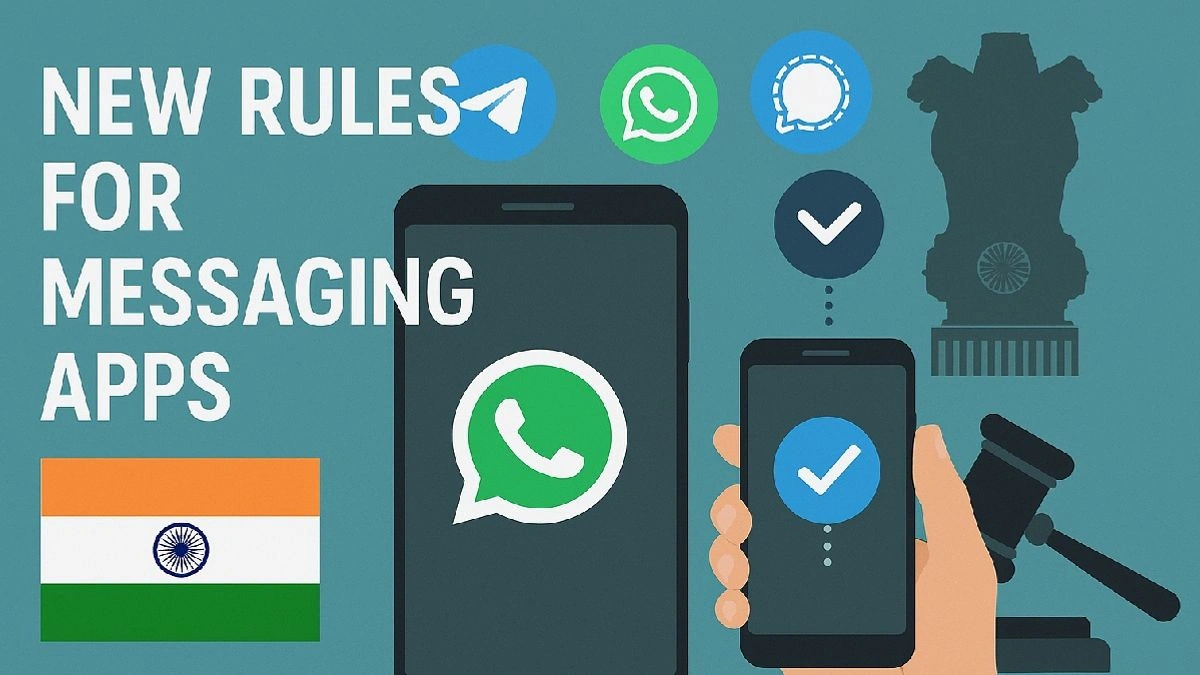
So, why is the DoT even considering this? What’s the big idea? Well, the main driver seems to be security. Think about it: right now, it’s relatively easy to spoof numbers and create fake accounts on these apps. This makes it tough to track down culprits in cases of cybercrime or even just plain old harassment. The hope is that by linking the device and the SIM, it’ll become much harder for bad actors to hide their tracks. As per reports, the aim of the new policy is to enhance security and prevent fraudulent activities. What fascinates me is the level of complexity involved in implementing such a system, but let’s try to keep things simple.
And, let’s be honest, there’s also a traceability aspect here. The government wants to be able to identify who is using these apps, especially in situations where national security might be at stake. This is where things get a little tricky, because it raises questions about privacy. It’s a balancing act, really – security versus privacy, and that’s always a hot topic.
Consider these fraudulent activities that the government wants to curb. Think about how many scams happen daily through fake WhatsApp accounts. This initiative aims to add a layer of authentication that makes it harder for scammers to operate. It’s not a silver bullet, but it’s definitely a step in the right direction.
How Will Device-SIM Binding Actually Work? The Guide’s Perspective
Okay, so how will this whole SIM card authentication thing actually work in practice? That’s the million-dollar question, isn’t it? The DoT hasn’t released all the details yet, but here’s what we can infer based on what’s been discussed so far.
The basic idea is that your device’s unique identifier (like its IMEI number) will be linked to your SIM card. This means that if someone tries to use your SIM in a different device, or tries to use a different SIM in your device, the system will flag it. It’s like a digital lock and key. The specific mechanisms are still being worked out, and that’s where things get a little murky.
There are a few ways this could be implemented. One option is to build the binding directly into the operating system of the device. This would require cooperation from companies like Google (Android) and Apple (iOS). Another option is to use a software-based solution that runs on top of the operating system. This might be easier to implement, but it could also be less secure.
A common mistake I see people make is assuming this will be a seamless process. Let’s be real, there will likely be some hiccups along the way. There might be compatibility issues with older devices, or glitches in the software. But the goal is to make it as smooth as possible for the average user. Speaking of users, the end-user experience must be considered. The government cannot afford to make things overly complicated.
The Emotional Angle | What This Means for You
Let’s get personal for a moment. How does all this affect you, the average Indian who just wants to chat with friends and family on WhatsApp without worrying about scams or privacy breaches? Well, on the one hand, it could make your online experience safer. Less spam, fewer fake accounts, and a greater sense of security. That’s a definite plus.
But, and there’s always a but, it could also mean a little more hassle. You might have to go through an extra step to verify your identity when you switch devices or SIM cards. And, of course, there’s the privacy concern. Will the government be able to track your every move online? That’s a legitimate question, and one that needs to be addressed transparently. We have to consider the privacy implications of such a policy.
I initially thought this was straightforward, but then I realized that this is not just about technology; it’s about trust. It’s about trusting the government to use this power responsibly, and it’s about trusting the tech companies to implement this system in a way that protects our privacy. Let me rephrase that for clarity: this is a two-way street.
The one thing you absolutely must double-check is your device’s IMEI number and ensure it matches the information registered with your SIM card provider. A discrepancy could cause issues down the line.
Potential Challenges and the Road Ahead
Implementing mandatory SIM binding won’t be a walk in the park. One of the biggest challenges will be dealing with the vast number of devices already in use. How do you retrofit this system onto older phones that weren’t designed with this in mind? That’s a logistical nightmare. Not to mention the digital divide – how do you ensure that everyone, including those in rural areas with limited internet access, can comply with these new requirements?
Another challenge is staying ahead of the curve. Cybercriminals are constantly evolving their tactics, so whatever system is put in place needs to be robust and adaptable. It’s a cat-and-mouse game, and the good guys need to stay one step ahead.
The DoT will need to work closely with telecom operators, device manufacturers, and app developers to make this a success. Collaboration is key. And, perhaps most importantly, they need to be transparent with the public. Explain the rationale behind this policy, address the privacy concerns, and be open to feedback. That’s how you build trust. Consider visiting India’s growth story for more information.
Looking Ahead | A More Secure Digital Future?
So, where does this all lead? What’s the endgame? The hope is that device-SIM binding will create a more secure and trustworthy digital environment in India. A place where you can communicate and transact online without constantly worrying about being scammed or hacked. It’s an ambitious goal, but it’s one worth pursuing. And remember to check out Demat account surges .
Of course, there are no guarantees. Technology is always a double-edged sword. It can be used for good or for evil. But with careful planning, thoughtful implementation, and a commitment to transparency, device-SIM binding could be a significant step towards a safer and more secure digital future for India. The future of digital security is definitely on the line.
FAQ Section
Frequently Asked Questions (FAQs)
Will this affect all my apps, or just OTT communication apps?
Initially, the focus is on OTT communication apps like WhatsApp and Telegram, but the scope could potentially expand in the future.
What if I use dual SIMs? How will that work?
The specifics are still being worked out, but the system will likely need to accommodate dual SIM phones. It may involve linking both SIMs to the device.
What if I frequently switch between devices?
There will likely be a process for verifying your identity when you switch devices. It might involve an OTP or other authentication method.
Is this going to slow down my internet speed?
In theory, no. Device-SIM binding is primarily an authentication mechanism and shouldn’t directly impact your internet speed.
Will this drain my battery faster?
If implemented efficiently, the impact on battery life should be minimal. However, this will depend on the specific implementation.
Will this policy require me to buy a new phone?
The government has not announced the need for new phones. As long as the software is up to date, the policy will still affect the devices.