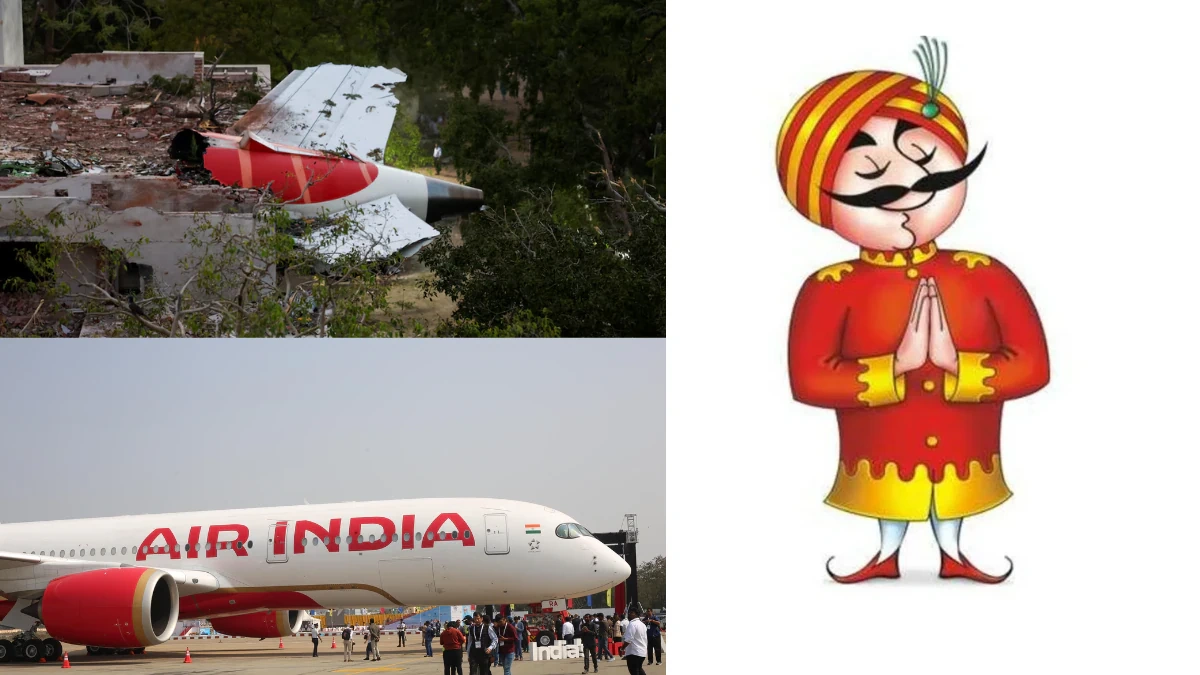
Air India, once the pride of Indian aviation, finds itself in turbulent skies again. A recent fatal accident has compounded existing financial woes, leading to a desperate plea for a $1 billion Air India bailout from its owners, the Tata Group. But, let’s be honest, this isn’t just about the money. It’s about the legacy, the future of Indian aviation, and the sheer complexity of turning around a behemoth that has known more downs than ups. What fascinates me is why, even with the backing of a conglomerate like Tata, Air India is still facing such challenges. Let’s dive into the ‘why’ behind this bailout request.
The Accident | A Catalyst or a Symptom?
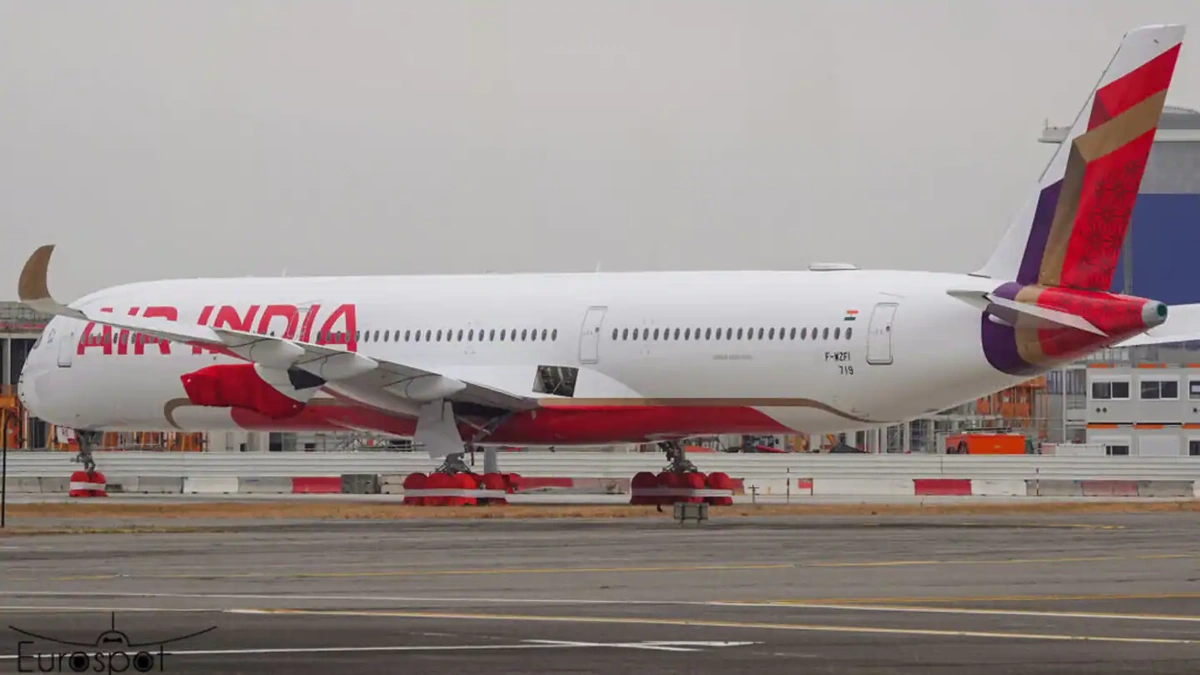
While the request for a bailout came in the wake of a fatal accident, it’s crucial to understand that the accident likely served as a catalyst, bringing underlying issues to the surface. Incidents like these, while tragic, often expose operational weaknesses and financial vulnerabilities. Was it a maintenance issue? Pilot error? A combination of factors? Any of these could significantly impact Air India’s bottom line, especially when considering potential lawsuits and compensation payouts. But , the bigger picture is the pre-existing fragility of the airline’s finances.
Tata’s Burden | Inherited Debts and Operational Overhaul
Here’s the thing: Tata Sons didn’t just acquire an airline; they inherited decades of accumulated debt and operational inefficiencies. Think of it like buying a beautiful old mansion that needs extensive repairs – the initial price is just the beginning. According to various reports, Air India’s debt burden was staggering even before the acquisition. Now, Tata is not only trying to service that debt but also modernize the fleet, improve customer service, and streamline operations – a monumental task. What’s more, the competition in the Indian aviation market is fierce, with low-cost carriers like IndiGo putting immense pressure on legacy airlines to keep prices competitive. All of this requires significant investment, and that’s where the need for a fresh financial lifeline comes in. A common mistake many analysts make is underestimating the sheer scale of the turnaround required.
Government’s Role and the Airline’s History
Let’s not forget the history. For decades, Air India was a state-owned enterprise, often used for political purposes rather than sound business practices. This led to bloated bureaucracy, inefficient operations, and a culture that wasn’t always focused on profitability. The government’s influence also meant that key decisions, like fleet acquisitions and route planning, were sometimes driven by political considerations rather than market demand. So, when Tata took over, they weren’t just acquiring an airline; they were taking on the legacy of decades of government control. This is why turning around the airline is such a complex and time-consuming process. What fascinates me is how Tata plans to shed that legacy.
The Future | A Sustainable Turnaround or More Bailouts?
The billion-dollar question (literally!) is whether this bailout will be enough to put Air India on a sustainable path. Or will it just be another band-aid on a much deeper wound? The answer, I believe, lies in Tata’s ability to execute its turnaround plan effectively. This includes: cutting costs, improving operational efficiency, enhancing customer experience, and expanding its network. It also requires a long-term vision and a willingness to make tough decisions. For instance, fleet optimization is crucial. Replacing older, less fuel-efficient aircraft with newer models can significantly reduce operating costs. Similarly, streamlining routes and focusing on profitable markets is essential. The one thing you absolutely must consider is the impact of global events, like rising fuel prices and geopolitical instability, which can significantly impact the aviation industry. According to the latest report from CAPA India, the Indian aviation market is expected to grow significantly in the coming years, but only airlines that can adapt to changing market conditions will thrive.
And, frankly, the success of Air India is vital for the Indian economy. A strong national carrier not only connects the country to the world but also contributes to tourism, trade, and job creation. So, while the bailout request might seem like a setback, it could also be an opportunity for Air India to emerge stronger and more competitive in the long run.
FAQ
Frequently Asked Questions
What exactly will the $1 billion be used for?
The funds are likely earmarked for debt repayment, operational expenses, and fleet maintenance.
Is this the first time Air India has asked for a bailout?
No, Air India has received financial assistance from the government in the past, especially during its time as a state owned firm
What happens if Air India doesn’t get the bailout?
The airline could face severe financial difficulties, potentially impacting its operations and future.
How will this bailout affect passengers?
If successful, it could lead to improved services and a more stable operating environment for the airline.
What are the long-term prospects for Air India?
With Tata’s backing and a sound turnaround plan, Air India has the potential to become a leading global airline again. But, it’s a long and challenging journey.