Okay, let’s be honest. Headlines about billion-dollar deals can glaze over quicker than a Krispy Kreme donut. But this one – Amazon and OpenAI hooking up in a $38 billion agreement focused on AI compute – this isn’t just about big numbers. It’s about fundamentally changing the AI landscape, and that impacts all of us, especially here in India. Think about it: the potential for innovation, the disruption of industries, and the sheer power concentrated in the hands of these giants. Sounds a bit like a sci-fi movie, right? Let’s break down why this matters.
Why This AI Compute Deal Isn’t Just Another Tech Headline
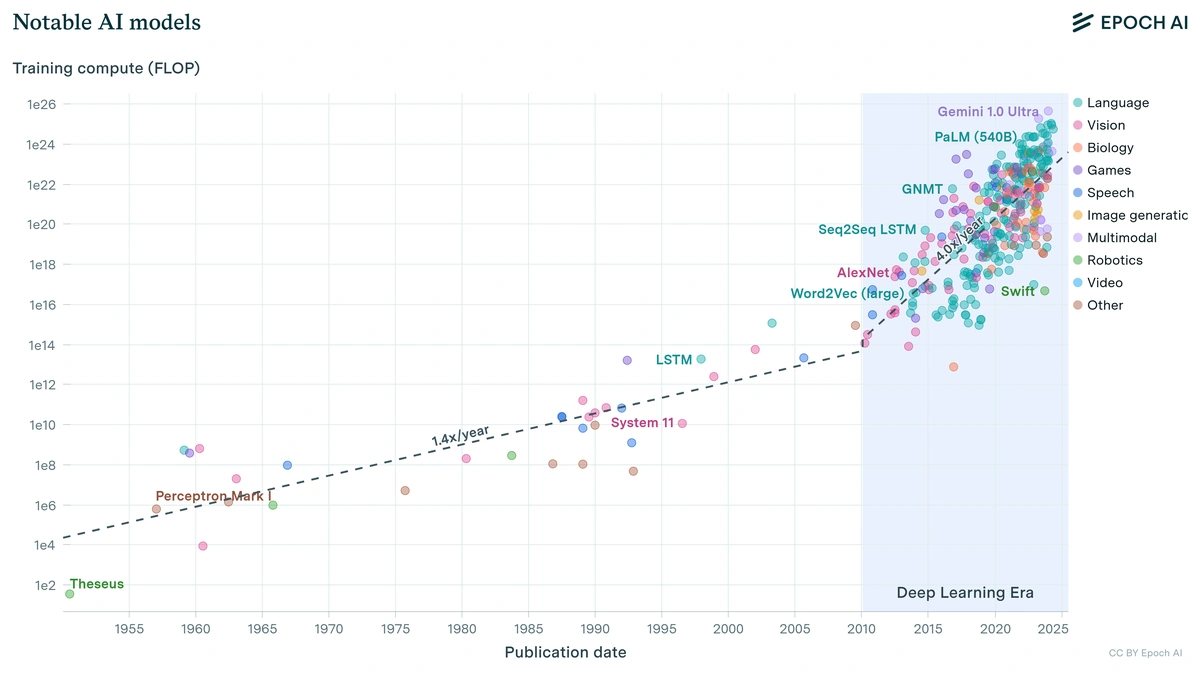
The key thing to understand is that AI, at its core, is hungry for computing power. Think of it like this: your brain needs food to function. AI needs massive computing resources to learn, train, and actually do anything useful. OpenAI, with its cutting-edge models like GPT-4 (and whatever secret sauce they’re cooking up next), needs a serious infrastructure to fuel its ambitions. Amazon Web Services (AWS), on the other hand, has that infrastructure in spades. They’re the kings of cloud computing.
But why a partnership? Amazon could have just sold OpenAI the computing power without the fanfare. Here’s where the analyst hat comes on. This is about more than just a transaction. It’s a strategic alignment. OpenAI gets access to Amazon’s vast AI infrastructure , ensuring they can keep pushing the boundaries of AI development. Amazon gets to solidify its position as the go-to provider for AI compute, attracting even more AI companies to its cloud. It’s a symbiotic relationship, a win-win… at least on paper. Cloud Computing
The Ripple Effect | How This Affects India’s Tech Scene
So, what does this all mean for India? Well, consider this: India is rapidly becoming an AI powerhouse. We have a massive pool of talented engineers and a growing number of startups focused on AI-powered solutions. Access to affordable AI compute is critical for these companies to compete on a global scale. This partnership, by potentially driving down the cost of AI compute through increased competition and efficiency, could be a huge boon for the Indian tech ecosystem. It could level the playing field, allowing Indian companies to develop and deploy AI solutions that address uniquely Indian challenges – from improving agricultural yields to providing better healthcare access in rural areas. Let me rephrase that for clarity: it will enable Indian companies to innovate faster, cheaper, and more effectively.
And it’s not just startups. Large Indian enterprises are also increasingly adopting AI to improve their operations and customer service. Think of banks using AI to detect fraud, or e-commerce companies using AI to personalize recommendations. The availability of scalable AI infrastructure is essential for these companies to fully realize the potential of AI. But, there’s a flip side.
The Downside | Concentration of Power and Ethical Concerns
Here’s the thing: whenever you have this much power concentrated in the hands of a few companies, there are legitimate concerns. What about data privacy? What about algorithmic bias? What about the potential for AI to be used for malicious purposes? These are questions we need to be asking, and we need to be demanding answers from both Amazon and OpenAI. A common mistake I see people make is assuming that technology is neutral. It’s not. It’s shaped by the values and priorities of the people who create it. And those values and priorities aren’t always aligned with the best interests of society.
But, we can’t ignore the ethical considerations. As per the guidelines, we need to address the potential for job displacement as AI becomes more prevalent. It’s a real concern, and one that requires proactive solutions – like investing in education and training programs that equip workers with the skills they need to thrive in the age of AI.
AI Models: The Future is Here, But Who Controls the Keys?
What fascinates me is the pace of innovation. It feels like just yesterday we were marveling at the capabilities of GPT-3. Now, we’re talking about GPT-4, and the rumors of even more powerful foundation models on the horizon are swirling. Access to high performance computing is what makes all this possible.Internal Link Example 1And that’s why this deal is so significant. It’s not just about the money. It’s about who controls the keys to the future of AI. It’s about ensuring that AI is developed and deployed in a way that benefits all of humanity, not just a select few.
I initially thought this was straightforward, but then I realized it’s far more nuanced than a simple business agreement. It’s a signal of the direction the tech world is heading, and India needs to be prepared to navigate this new landscape. A major consideration is the need for AI talent and expertise to harness the compute resources made available through partnerships like this. The country must prioritize education and skill development programs to equip its workforce with the knowledge and skills required to effectively utilize AI technologies and contribute to AI-driven innovation.
What’s Next? Monitoring, Adaptation, and Responsible Innovation
The India government must work to enable responsible innovation. To stay ahead, India needs to do the following:
- Monitor the Evolution: Keep a close eye on how this partnership evolves and its impact on the global AI landscape.
- Adapt Policies: Develop policies that encourage innovation while also addressing the ethical and societal implications of AI.
- Invest in Talent: Continue to invest in education and training programs to build a strong AI workforce.
- Promote Collaboration: Foster collaboration between government, industry, and academia to drive AI innovation.
FAQ About AI Compute and the Amazon-OpenAI Deal
Frequently Asked Questions
What exactly is “AI compute“?
It’s the raw computing power needed to train and run AI models . Think of it as the fuel that drives AI.
How will this partnership affect the average person in India?
Potentially, lower costs and faster innovation could lead to better AI-powered services in areas like healthcare, education, and agriculture.
What are the biggest risks associated with this deal?
Concentration of power, ethical concerns (bias, privacy), and potential job displacement are the main worries.
Is India ready for this level of AI advancement?
India has the talent and ambition, but needs to invest more in infrastructure and ethical frameworks to fully capitalize on the opportunities.
What is neural network ?
A neural network is a series of algorithms that endeavors to recognize underlying relationships in a set of data through a process that mimics the way the human brain operates.
Is there something called ethical AI compute?
Ethical AI Compute refers to AI systems developed and used while ensuring they adhere to ethical principles like fairness, transparency, and accountability.
So, here’s the punchline: This Amazon-OpenAI deal isn’t just about two companies making money. It’s about the future of AI, and India’s role in shaping that future. And that, my friends, is something worth paying attention to.