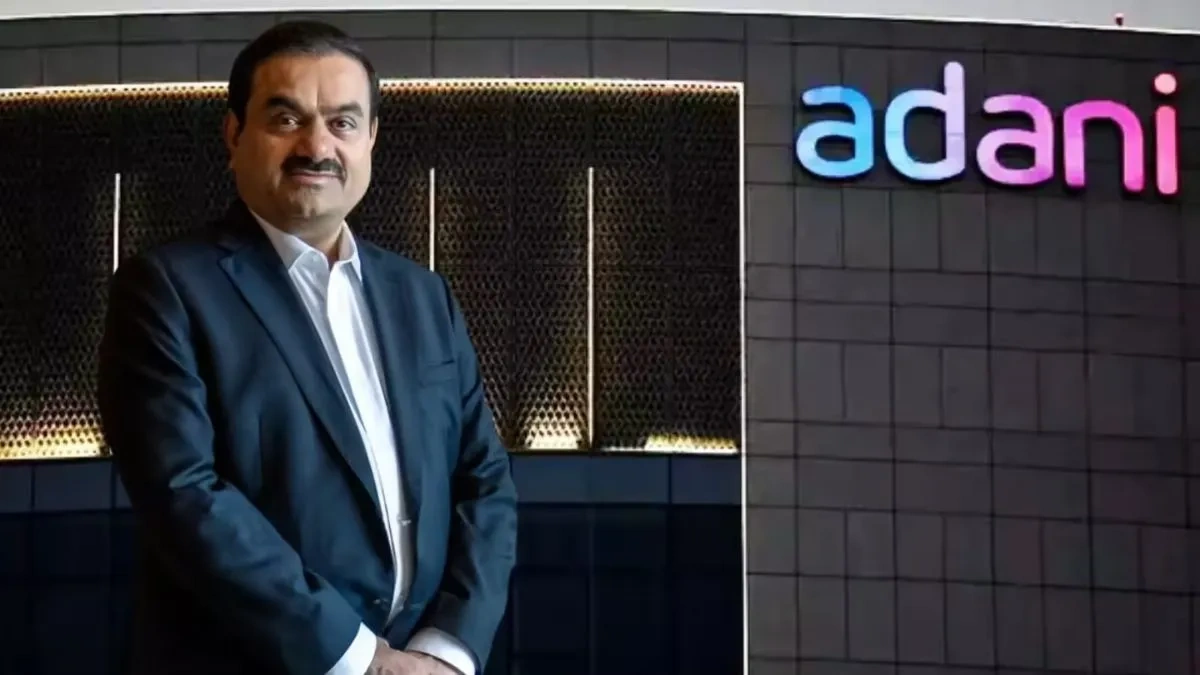
The Adani Group , a behemoth in India’s corporate landscape, is making headlines again. But this time, it’s not about acquisitions or new projects, but a strategic divestment. They’re selling their AWL (Adani Wilmar Limited) agri-business, and the rumour mill is buzzing about their ambition to achieve full public shareholder status. What fascinates me is the “why” behind this move. It’s more than just balance sheets and profit margins; it hints at a larger strategic game at play.
Let’s be honest, understanding the intricacies of corporate restructuring can feel like navigating a maze. So, I’m going to break down what this sale means, not just for the Adani Group, but also for the Indian economy and you, the average investor. And, yes, we’ll ditch the jargon and talk like friends over chai.
Decoding the AWL Agri Business Sale | Why Now?

The immediate question is, why sell a seemingly profitable venture? Well, here’s the thing: the Adani Wilmar IPO was a significant event, bringing a major FMCG player into the public market. One perspective to consider is simplification. The Adani Group has interests spanning from ports and power to renewable energy and real estate. Maybe divesting the agri-business allows them to streamline their operations and focus on core sectors with higher growth potential.
According to reports, the funds raised from the sale could be strategically redeployed into infrastructure projects or renewable energy initiatives – areas where the Adani Group aims to solidify its leadership. This move towards debt reduction could be interpreted as a strategic masterstroke, particularly in the current economic climate.
But, consider the optics. Selling off a part of a company that deals with essential food items might raise eyebrows, especially considering the inflationary pressures on the Indian consumer. Could it be a move to avoid potential regulatory scrutiny or political pressure? It’s speculation, of course, but it’s worth pondering. Also worth pondering is the AWL Share Price over the last year and the implications for investors in the company. In related news, have you read about the recent Adani stake reduction ?
The Public Shareholder Status Gambit | What’s the End Game?
Now, let’s delve into the ambition of achieving full public shareholder status. This is where things get really interesting. Currently, the Adani Group has significant promoter holdings in its various companies. Reducing this stake to zero and transitioning to a fully public model has several implications. First, it increases the company’s attractiveness to institutional investors, both domestic and international.
Think of it this way: a wider distribution of shares means greater liquidity and potentially less volatility in the stock price. This is crucial for attracting long-term investment. Secondly, it improves corporate governance and transparency. A company with a diversified shareholder base is generally subject to greater scrutiny and accountability.
However, this transition isn’t a cakewalk. It requires careful planning and execution. The Adani Group needs to ensure that the market can absorb the additional shares without a significant dip in the stock price. They also need to navigate regulatory hurdles and comply with securities laws. The process of share divestment requires navigating a complex regulatory landscape.
Implications for Investors and the Indian Economy
So, what does all this mean for you, the investor? Well, on the one hand, the AWL agri-business sale might create some short-term uncertainty in the market. Investors who are heavily invested in Adani Wilmar might be concerned about the future prospects of the company. However, if the Adani Group successfully redeploys the funds into high-growth sectors, it could ultimately benefit all shareholders.
The move towards full public shareholder status is a positive sign for the Indian economy. It indicates a growing maturity in the corporate sector and a willingness to embrace global best practices in corporate governance. It also boosts investor confidence and attracts foreign capital. It reflects on India’s economic growth.
It’s also a clear indicator that India is serious about attracting foreign investment and competing on a global scale. And it signals a shift towards a more transparent and accountable corporate culture – something that’s sorely needed in many parts of the world. Consider also the recent Lenskart IPO value as another marker in the economic climate.
Navigating the Future | What to Watch Out For
What intrigues me is the long game. The Adani Group is clearly playing for keeps, strategically repositioning itself to thrive in the new economic order. But, here’s the thing: change always brings uncertainty. There will be challenges along the way, and investors need to be prepared for volatility. A clear investment strategy should be in place.
Keep a close eye on how the Adani Group utilizes the funds from the AWL agri-business sale. Are they investing in sustainable infrastructure projects? Are they reducing their debt burden? Are they focusing on renewable energy and green technologies? These are the key indicators that will determine the long-term success of this strategic shift.
We also need to monitor the regulatory environment. Will the government support these initiatives? Will there be any policy changes that could impact the Adani Group’s plans? Staying informed is crucial for making sound investment decisions.
Ultimately, the Adani Group’s decision to sell its AWL agri-business and pursue full public shareholder status is a bold move. It reflects a willingness to adapt to changing market conditions and embrace a more transparent and accountable corporate culture. Whether it will pay off in the long run remains to be seen, but it’s certainly a development worth watching closely. The effects of the corporate divestment will ripple through the sector.
FAQ Section
Frequently Asked Questions
What exactly does “full public shareholder status” mean?
It means that the Adani Group aims to reduce its promoter holdings in its companies to zero, with the entire ownership resting with the public.
Why is the Adani Group selling its AWL agri-business?
The reasons are multifaceted, potentially including streamlining operations, redeploying capital into core sectors, and avoiding regulatory scrutiny.
How will this sale affect Adani Wilmar shareholders?
There might be short-term uncertainty, but if the funds are strategically redeployed, it could benefit shareholders in the long run.
What are the potential benefits of full public shareholder status?
Increased attractiveness to institutional investors, improved corporate governance, and greater transparency.
What should investors watch out for?
How the Adani Group utilizes the funds from the sale, the regulatory environment, and overall market volatility.
Where can I find more information about Adani Group’s plans?
Check the official Adani Group website and reputable financial news sources. Wikipedia is a great place to start.