Okay, let’s be honest – economic news can be drier than a week-old chapati. But this 8.2% GDP growth figure for India in Q2FY26? That’s not just a number; it’s a story. It’s a story of resilience, of smart policy, and frankly, of surprising everyone who thought we’d stumble. So, what’s the real deal? Why should you, sitting in your chai-sipping zone, care about some GDP figure?
Why This GDP Growth Matters More Than You Think
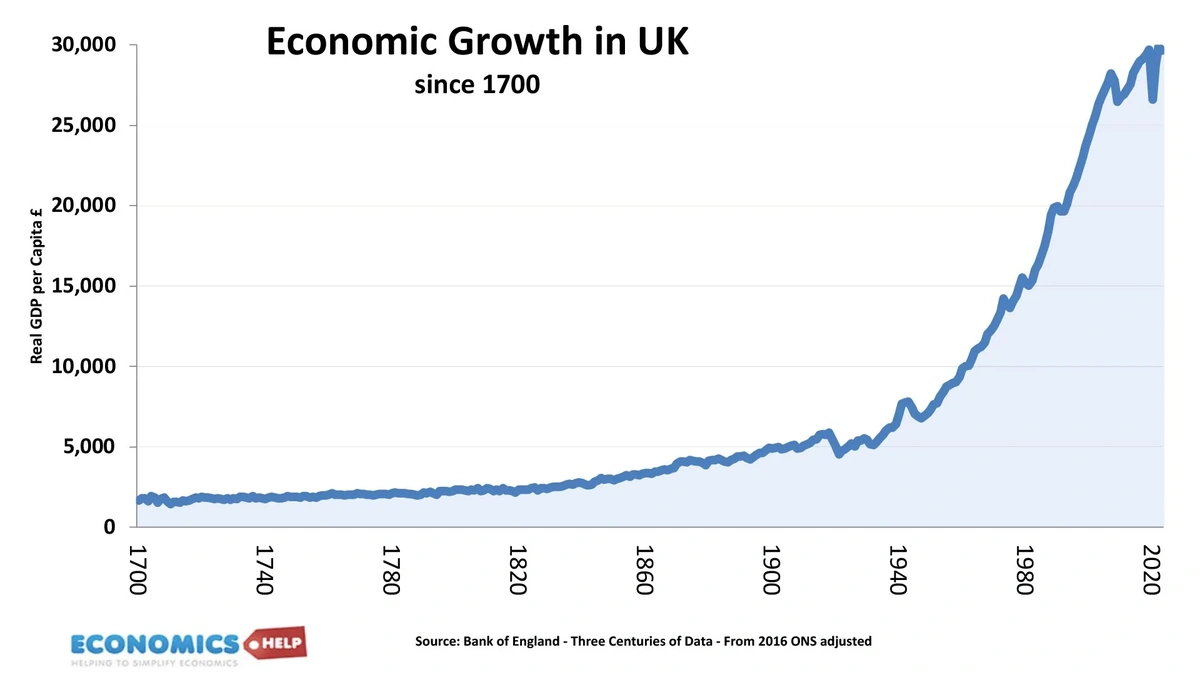
Here’s the thing: GDP growth isn’t just about bragging rights on the global stage. It’s about real-world impact. Think of it like this: when the economy is humming, it creates a ripple effect. More jobs, more investments, and ultimately, a better quality of life for, well, pretty much everyone. But why 8.2%? What’s so special about that number? Well, for starters, it’s significantly higher than what most economists predicted. Many were expecting a slowdown, given global headwinds and lingering effects of, let’s not name it, but we all know what we’re talking about. This growth rate suggests that Indian economy is showing remarkable resilience and that domestic demand is robust. Also, this economic growth is significantly improving per capita income for a common citizen. And this impacts the lifestyle of a common Indian, leading to a better life.
And let’s be real for a moment. India’s economic trajectory impacts everyone from the local Kirana store owner to the techie dreaming of a Silicon Valley stint. Strong growth translates into increased consumer spending, which benefits businesses of all sizes. So, yes, that seemingly abstract GDP number actually has a very tangible impact on your life, directly or indirectly.
How Did India Pull This Off? Decoding the Growth Drivers
Now, for the million-dollar question: how did India manage to achieve this? It’s not just luck, trust me. A bunch of factors worked together. Firstly, strong agricultural performance played a vital role. A good monsoon season always gives the economy a boost, and this year was no exception. Secondly, government spending on infrastructure projects – roads, railways, and ports – has started to pay off. These investments not only create jobs but also improve connectivity and efficiency, making it easier for businesses to operate. Thirdly, and perhaps most importantly, the manufacturing sector is showing signs of a revival. The “Make in India” initiative, despite its critics, is gradually gaining traction, attracting investments and boosting domestic production. Data centers investment is also improving the growth rate.
But – and there’s always a “but,” isn’t there? – this growth isn’t uniform across all sectors. Some sectors, like tourism and hospitality, are still recovering from the pandemic’s hit. And while manufacturing is improving, it still has a long way to go to reach its full potential. A sustainable economic growth requires a holistic approach.
The Road Ahead | Challenges and Opportunities for Sustained Growth
So, what’s next? Can India maintain this momentum? Well, that depends. Several challenges lie ahead. Global economic uncertainty, rising inflation, and geopolitical tensions could all throw a wrench in the works. The key lies in addressing these challenges proactively. The government needs to continue investing in infrastructure, promoting skill development, and creating a business-friendly environment. And perhaps most importantly, it needs to focus on inclusive growth – ensuring that the benefits of economic progress reach all sections of society. One major point of concern is the inflation rate , which must be in control to maintain this growth.
What fascinates me is the sheer potential that India holds. With its young population, its growing middle class, and its entrepreneurial spirit, India has all the ingredients to become a global economic powerhouse. But potential alone isn’t enough. It needs to be nurtured with smart policies, efficient execution, and a collective commitment to progress. The growth of the service sector has helped a lot to maintain this growth.
Let me rephrase that for clarity: it’s not just about hitting a certain GDP number. It’s about creating a better future for generations to come. And that, my friends, is something worth caring about. We should also focus on improving the employment rate .
Investing in India’s Future | What Does This Growth Mean for You?
Now, you might be thinking, “Okay, great, the economy is growing. But how does this actually affect me?” Good question. If you’re an entrepreneur, this growth presents a huge opportunity. Increased consumer spending means more demand for your products and services. If you’re a student or a young professional, it means more job opportunities and better career prospects. The improved economic outlook will give you a hope for better future. And if you’re an investor, it means higher returns on your investments. Of course, investment decisions should be done after consulting with your financial advisor.
But here’s the thing I’ve noticed: a lot of people are still hesitant to invest in India. They’re worried about bureaucracy, corruption, and other challenges. And let’s be honest, those challenges are real. But the potential rewards far outweigh the risks. India is a land of immense opportunity, and those who are willing to take the plunge are likely to reap rich dividends. The growth rate is also improving foreign direct investment .
India’s GDP Growth | A Global Perspective
India’s impressive 8.2% GDP growth isn’t just a domestic achievement; it resonates globally. In a world grappling with economic uncertainties, India stands out as a beacon of hope and stability. According to the World Bank , India is projected to be one of the fastest-growing major economies in the coming years, attracting attention from investors and policymakers alike. Global investors are looking toward India.
But here’s what I initially thought was straightforward, but then realized was more nuanced: India’s success isn’t just about outperforming other nations; it’s about setting a new standard for sustainable and inclusive growth. By focusing on innovation, technology, and human capital development, India is charting a course towards a more prosperous and equitable future. This high GDP growth rate is a good sign for country’s economy.
FAQ Section
Frequently Asked Questions
What exactly does GDP growth mean for the average Indian citizen?
Simply put, higher GDP growth often leads to more job opportunities, better incomes, and increased government spending on public services like healthcare and education. It’s like the pie getting bigger, so everyone gets a larger slice!
Is this growth sustainable, or is it just a temporary blip?
That’s the million-dollar question! While the current growth is encouraging, sustaining it requires continuous reforms, investments in infrastructure, and a focus on inclusive development.
What are the biggest risks to India’s continued economic growth?
Global economic slowdown, rising inflation, geopolitical tensions, and domestic policy challenges all pose potential risks. Navigating these challenges effectively will be crucial.
How can I, as an individual, contribute to India’s economic growth?
Support local businesses, invest in education and skills development, and be a responsible consumer. Every little bit counts!
Where can I find reliable data and analysis on India’s economy?
The Reserve Bank of India (RBI) , the National Statistical Office (NSO), and reputed financial publications are good sources of information.
Ultimately, India’s 8.2% GDP growth is more than just a statistic. It’s a testament to the country’s resilience, its potential, and its unwavering spirit. It’s a story that deserves to be told, understood, and celebrated. But more importantly, it’s a call to action – a call to work together to build a brighter, more prosperous future for all Indians.