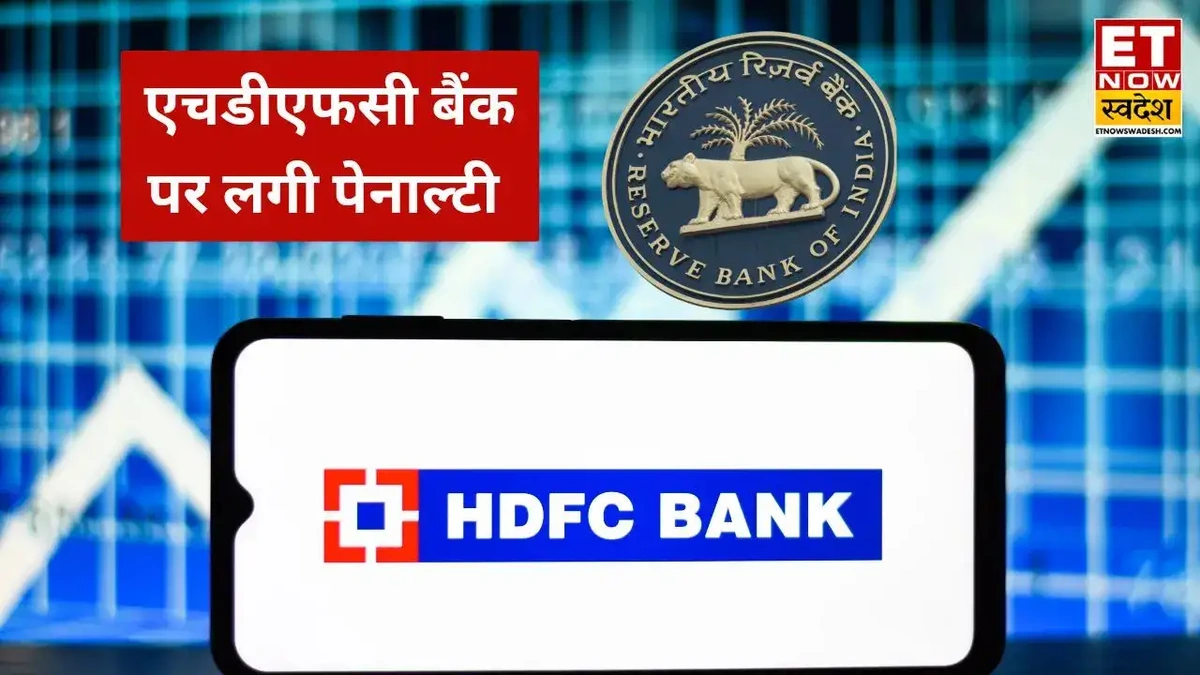
So, HDFC Bank – one of the big names in Indian banking – has just been slapped with a ₹91 lakh fine by the Reserve Bank of India (RBI). Now, on the surface, that might seem like just another headline. But , let’s be honest, it’s more than that. It’s a peek into the regulatory world and how banks are held accountable. And for us, the everyday customers, it raises a crucial question: Why should we care?
Well, here’s the thing: these penalties, however small they might seem compared to HDFC’s overall size, are a signal. They are a message that the RBI is keeping a close watch, ensuring that banks play by the rules. These rules are not just arbitrary guidelines. They are there to protect our money, to maintain the stability of the financial system, and to prevent things from going south.
The “Why” | Understanding the RBI’s Watchful Eye
The RBI isn’t just some bureaucratic entity throwing its weight around. It’s the guardian of India’s financial health. Think of it like this: imagine a referee in a cricket match. The referee doesn’t step in every single time someone bends a rule, but when the bending becomes blatant or poses a risk to the game’s integrity, they have to act. That’s precisely what the RBI does with banks.
The HDFC Bank penalty was imposed because of non-compliance with certain directions issued by the RBI regarding ‘Leveraging of Internal Audit Function’. Now, that might sound like jargon, but let’s break it down. Internal audits are like health checks for a bank. They’re supposed to identify potential problems and weaknesses before they become major crises. The RBI wants to make sure banks are taking these internal audits seriously and acting on the findings. When banks don’t follow guidelines, regulatory scrutiny increases.
According to the official RBI notification (available on rbi.org.in, if you’re into that sort of thing – RBI Website ), the penalty was levied under the powers vested in the RBI under the provisions of Section 47 A (1) (c) read with Sections 46 (4) (i) of the Banking Regulation Act, 1949. So, yeah, it’s serious.
Decoding the Impact | What Does This Mean for You?
Okay, so HDFC got a fine. Big deal, right? Well, it is a big deal, even if indirectly. Here’s why:
- It highlights the importance of regulatory compliance. Banks are not free to do whatever they want. The RBI sets the rules of the game, and banks must adhere to them. This protects depositors (that’s you and me) from reckless behavior.
- It reinforces the integrity of the banking system. When banks are held accountable for their actions, it builds trust in the system. We’re more likely to keep our money in banks if we believe they are well-regulated and financially sound.
- It might lead to better banking practices. When a bank gets fined, it’s likely to review its processes and procedures to ensure it doesn’t happen again. This can lead to improved services, better risk management, and greater transparency.
Think of it as a wake-up call. This RBI action against HDFC Bank serves as a reminder to all banks that compliance is not optional; it’s essential.
The Ripple Effect | How Bank Penalties Affect the Economy
Now, let’s zoom out a bit. These penalties aren’t isolated events. They’re part of a larger effort to maintain financial stability in the Indian economy. A healthy banking sector is crucial for economic growth. Banks lend money to businesses, finance infrastructure projects, and provide credit to consumers. If banks are unstable or poorly managed, it can have a domino effect on the entire economy.
Let me rephrase that for clarity: Imagine the banking sector as the heart of the economy. If the heart isn’t pumping blood properly (due to poor regulation or non-compliance), the entire body suffers. The Indian GDP depends on a stable financial sector. And RBI seeks to achieve with such actions.
These penalties are a form of preventive medicine. They’re designed to catch problems early on before they escalate into full-blown crises. A stable financial system encourages investment, creates jobs, and ultimately improves the lives of ordinary citizens. So, while a ₹91 lakh fine might seem insignificant in the grand scheme of things, it’s a small price to pay for maintaining financial stability.
Staying Informed | How to Be a Savvy Bank Customer
So, what can you do as a bank customer? Well , stay informed! Pay attention to news about the banking sector. Read your bank statements carefully. Understand your rights and responsibilities. And don’t be afraid to ask questions.
A common mistake I see people make is blindly trusting their banks. While banks are generally trustworthy, it’s always a good idea to do your own due diligence. Check the RBI guidelines periodically.
Here are a few resources that may help you:
- RBI website: rbi.org.in – This is your go-to source for official information about banking regulations and policies.
- Financial newspapers and websites: Stay up-to-date on the latest news and developments in the financial sector.
- Your bank’s website: Most banks have detailed information about their products, services, and policies online.
FAQ | Your Questions Answered
Frequently Asked Questions
What exactly does “non-compliance” mean in this context?
It means HDFC Bank didn’t follow specific instructions or guidelines issued by the RBI regarding how they should conduct internal audits. This could involve things like not having a strong enough audit function or not acting on the findings of audits.
Is my money safe in HDFC Bank?
Yes, your money is safe. This penalty doesn’t indicate any fundamental problem with HDFC Bank’s financial stability. It’s more about procedural lapses. Banks in India are heavily regulated, and deposits are insured up to a certain limit.
Will this penalty affect HDFC Bank’s services or interest rates?
It’s unlikely to have a direct impact on services or interest rates. The penalty is relatively small for a bank of HDFC’s size. However, it might prompt the bank to review its internal processes, which could indirectly lead to some changes.
Where can I find more details about the specific non-compliance?
The RBI’s press release about the penalty will provide some details. You can find it on the RBI website (rbi.org.in). However, the release might not go into extreme technical specifics.
How often does the RBI fine banks for non-compliance?
The RBI regularly monitors banks and takes action against them for various types of non-compliance. These actions can range from warnings to penalties, depending on the severity of the issue.
Should I be worried about other banks also facing similar penalties?
It’s always possible. The RBI keeps a close watch on all banks. However, a penalty for one bank doesn’t necessarily mean others are doing the same thing. Each case is assessed individually.
So, there you have it. A ₹91 lakh fine for HDFC Bank is more than just a number. It’s a reminder of the importance of regulation, the stability of the financial system, and the need for us, as customers, to stay informed and engaged. What fascinates me is how seemingly small actions like these contribute to the bigger picture of economic well-being. It’s like a tiny gear turning in a massive machine, ensuring everything runs smoothly. Banking regulations are not a joke and non-compliance is also not a joke.