So, the buzz is real. A flurry of initial public offerings , or IPOs, are expected to hit the Indian market in December, potentially raising a staggering ₹30,000 crore. Meesho, ICICI Prudential, and Fractal Analytics are just a few of the names making headlines. But here’s the thing: beyond the numbers, what does this mean for the average investor, the Indian economy, and the future of these companies? Let’s dive deeper, shall we?
Why This IPO Rush Now? The Analyst’s Take
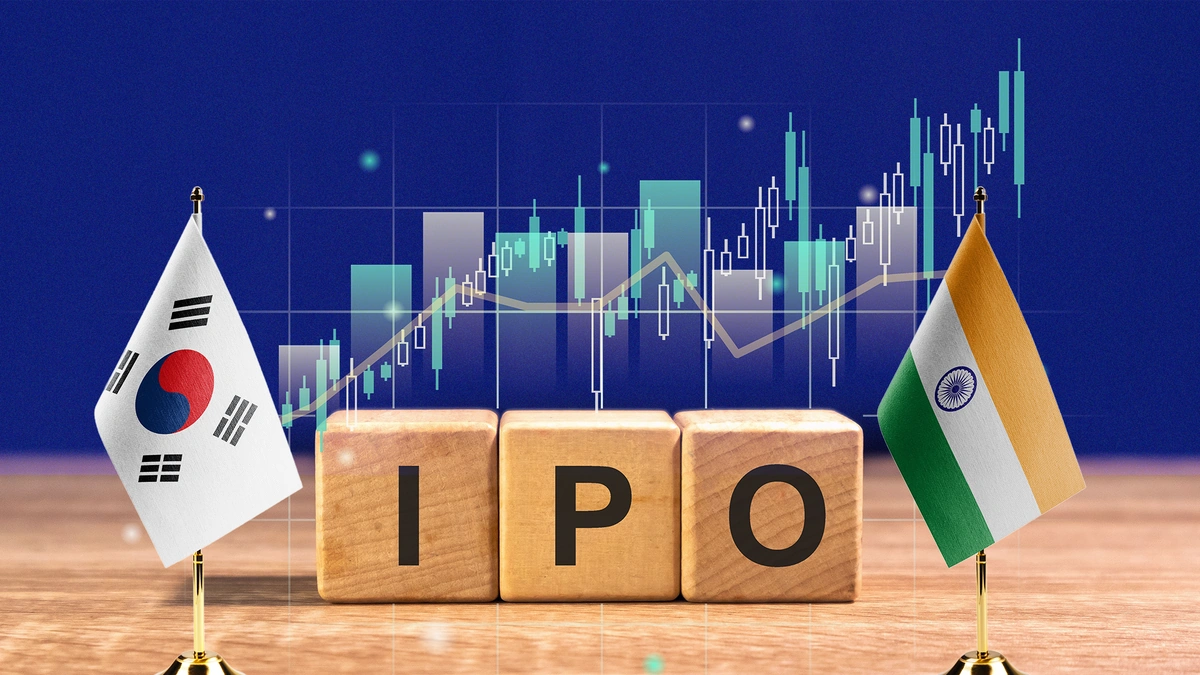
First, let’s address the elephant in the room: why now? Several factors are converging to create this IPO frenzy. The Indian stock market is currently experiencing a bull run, fueled by strong economic growth and positive investor sentiment. This makes it an opportune time for companies to raise capital through IPO offerings . But it’s not just about market conditions. It’s also about the life cycle of these companies.
Many of these businesses, particularly in the tech and fintech sectors, have been nurtured by venture capital and private equity for years. They’ve reached a stage where they need a larger pool of capital to fuel further expansion, and an IPO is the logical next step. Think of it as graduating from a small pond to the vast ocean of the public market.
The IPOs of companies like ICICI Prudential are more about unlocking value for existing shareholders. It’s a strategic move by the parent company to allow a specific business vertical to operate more independently and attract a different set of investors.
Navigating the IPO Landscape | A Guide for Investors
So, you’re tempted to jump into the IPO game? That’s understandable, but proceed with caution. Investing in an IPO isn’t like buying shares of an established company. There’s often less historical data to analyze, and the hype surrounding a new listing can sometimes cloud rational decision-making. A common mistake I see people make is getting caught up in the hype and investing without doing their homework.
Here’s a step-by-step guide to navigating the IPO landscape:
- Read the Draft Red Herring Prospectus (DRHP) Carefully: This document contains all the essential information about the company, its financials, its business model, and the risks involved. You can usually find this on the website of the investment bank managing the IPO process.
- Assess the Company’s Fundamentals: Don’t just look at the growth numbers. Dig deeper into the company’s profitability, its debt levels, and its competitive position. Does the company have a sustainable business model? Does it have a clear competitive advantage?
- Understand the Valuation: Is the IPO valuation reasonable? Compare the company’s valuation to its peers in the industry. Be wary of companies with excessively high valuations.
- Consider Your Risk Tolerance: IPOs can be volatile. Be prepared for the possibility of short-term losses. Only invest money that you can afford to lose.
The Emotional Rollercoaster | IPOs and Investor Psychology
Let’s be honest, investing can be an emotional rollercoaster, and IPOs often amplify these emotions. The fear of missing out (FOMO) can drive investors to make impulsive decisions. The allure of quick gains can blind them to the risks involved. I initially thought this was straightforward, but then I realized the psychological aspect is just as important as the financial analysis.
That moment of panic when the share price dips below the issue price shortly after listing – we’ve all been there, or at least heard the stories. Conversely, the euphoria when the share price skyrockets can lead to overconfidence and poor decision-making. It’s crucial to stay grounded, stick to your investment strategy, and avoid letting emotions dictate your actions.
Remember, investing is a marathon, not a sprint. The key is to build a diversified portfolio and stay focused on the long term. Don’t get swayed by the short-term noise and volatility of the market.
Decoding the Jargon | Key IPO Terms Explained
The world of stock market IPOs is filled with jargon that can be confusing for new investors. Let me rephrase that for clarity: understanding these terms is crucial for making informed decisions. Here’s a quick guide to some key terms:
- Draft Red Herring Prospectus (DRHP): The preliminary document filed with SEBI containing information about the company and the IPO. According to the latest circular on the official SEBI website (sebi.gov.in ), the DRHP must be made available to the public for review.
- Issue Price: The price at which the shares are offered to the public in the IPO.
- Subscription: The demand for the IPO. An IPO is considered oversubscribed if the demand exceeds the number of shares offered.
- Allotment: The process of allocating shares to investors who have applied for the IPO.
- Listing: The process of the shares being admitted for trading on a stock exchange.
The Long-Term Impact | IPOs and the Indian Economy
These upcoming IPOs aren’t just about individual companies; they have broader implications for the Indian economy. A successful IPO market can boost investor confidence, attract foreign investment, and create new jobs. It can also provide a platform for innovative companies to access capital and grow their businesses, fueling economic growth. The [ Internal Link Pool ] Meesho IPO , in particular, is being closely watched as a barometer of investor appetite for Indian tech startups.
But a wave of IPOs also comes with its own set of challenges. It can increase market volatility, put pressure on regulatory bodies to ensure fair practices, and potentially lead to misallocation of capital if investors aren’t careful. As per the guidelines mentioned in the information bulletin , SEBI is closely monitoring the IPO market to prevent any irregularities.
Ultimately, the success of these large IPOs will depend on the underlying strength of the Indian economy and the ability of these companies to deliver on their promises. It’s a story worth watching closely in the months and years to come. And, remember to always conduct a thorough due diligence before making any investment decisions.
FAQ
Frequently Asked Questions
What is an IPO?
An IPO or Initial Public Offering is when a private company offers shares to the public for the first time. This allows the company to raise capital from investors.
Why are so many companies launching IPOs in December?
Favorable market conditions, strong economic growth, and the need for capital are driving the IPO rush. Many companies see December as an opportune time to tap into investor enthusiasm.
How do I apply for an IPO?
You can apply for an IPO through your demat account with a stockbroker. The process typically involves filling out an application form and specifying the number of shares you want to purchase.
What are the risks of investing in IPOs?
IPOs can be volatile and carry a higher level of risk than investing in established companies. There’s often less historical data to analyze, and the potential for quick gains can also lead to significant losses.
Where can I find more information about upcoming IPOs?
You can find information about upcoming IPOs on the websites of SEBI, stock exchanges, and investment banks. Reading the DRHP (Draft Red Herring Prospectus) is highly recommended before investing.
What is the role of Investment Banks?
Investment Banks Investment Banks serve as intermediaries, guiding companies through the complex IPO process. They assist with valuation, marketing, and regulatory compliance, ensuring a smooth transition from private to public ownership. [ Internal Link Pool ] You can also read about similar stuff here rbi permits banks .